Introduction
The Taiwanese drama Had I Not Seen the Sun expertly blends multiple genres, including youth drama, psychological mystery, romance, and crime thriller, which offers a fresh experience for those tired of predictable plots. The show goes beyond a simple crime thriller because it examines the long-term effects of trauma and how past misfortunes can drastically alter innocent lives.
This review is for both Part 1 and Part 2.
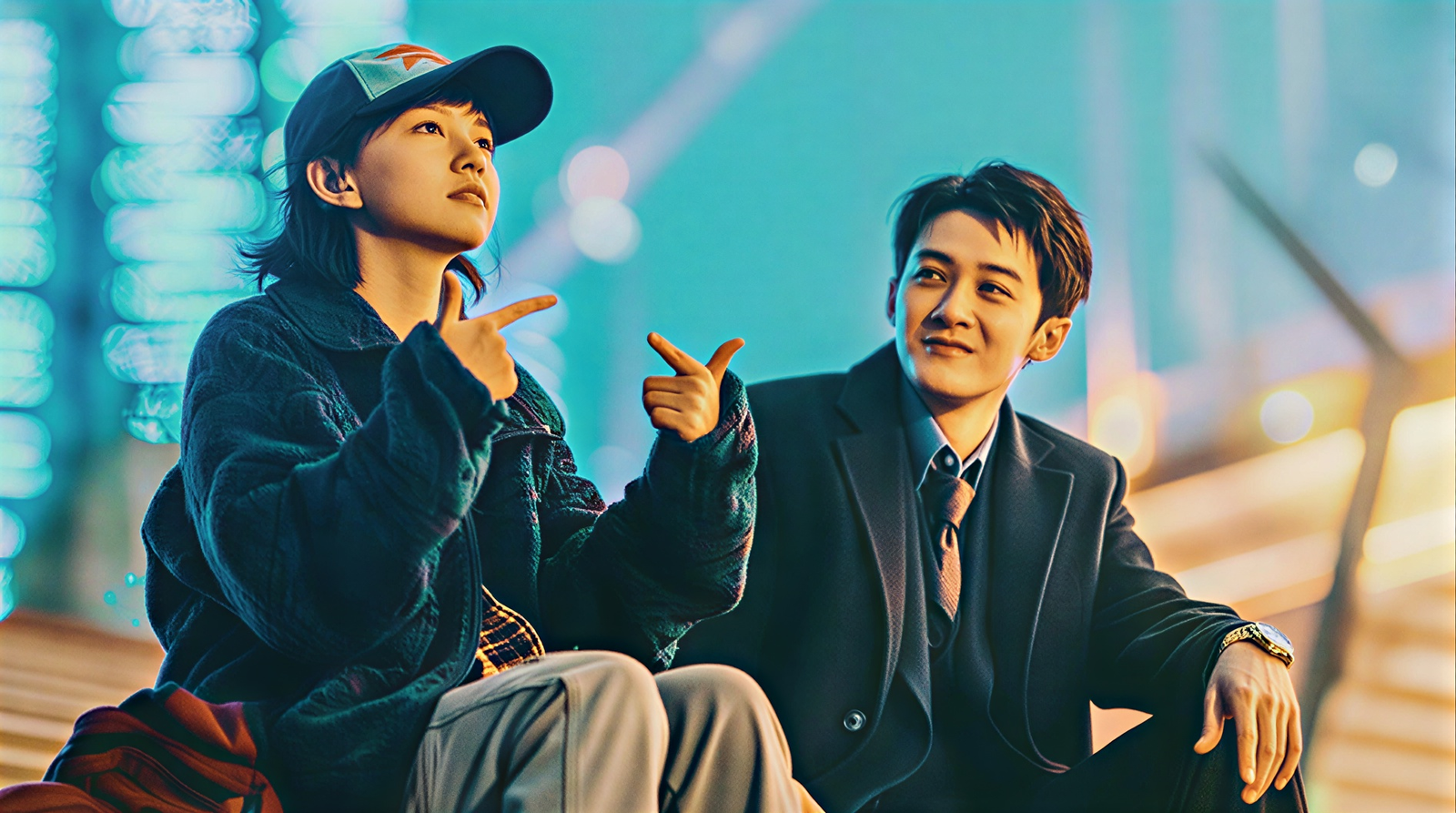
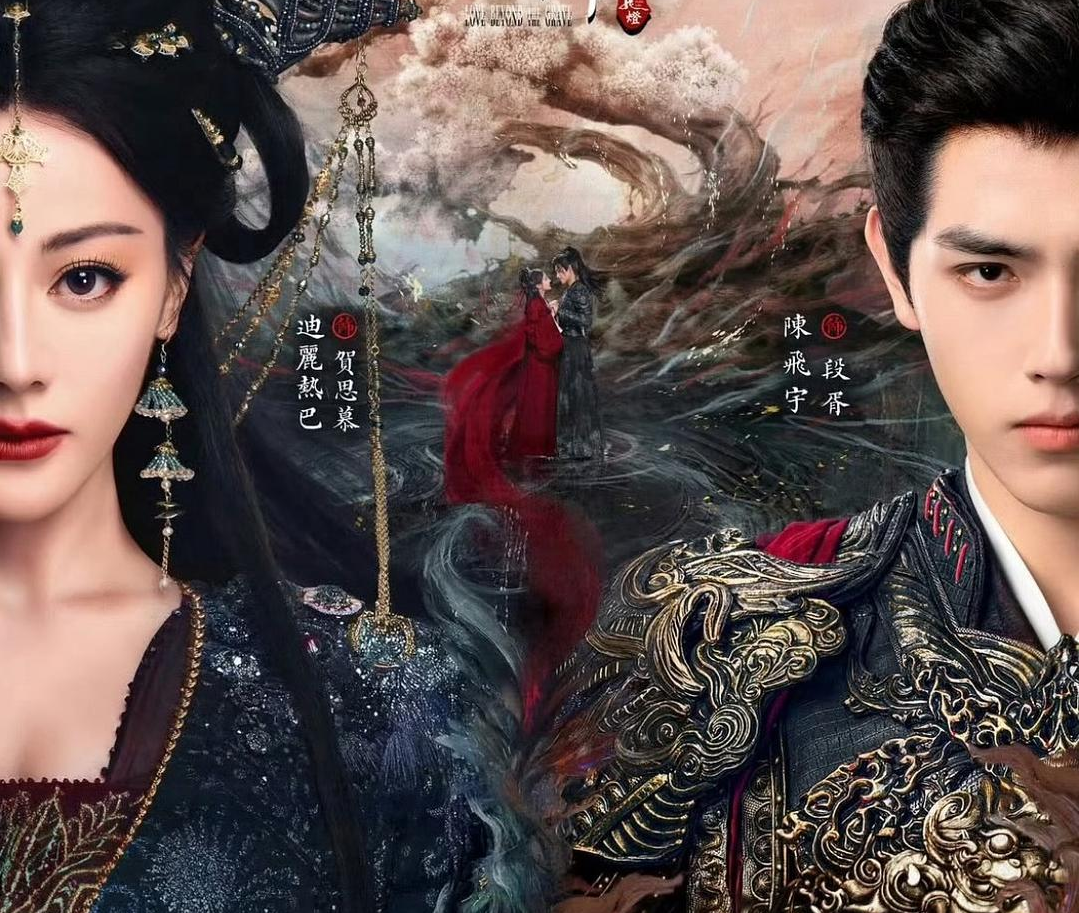
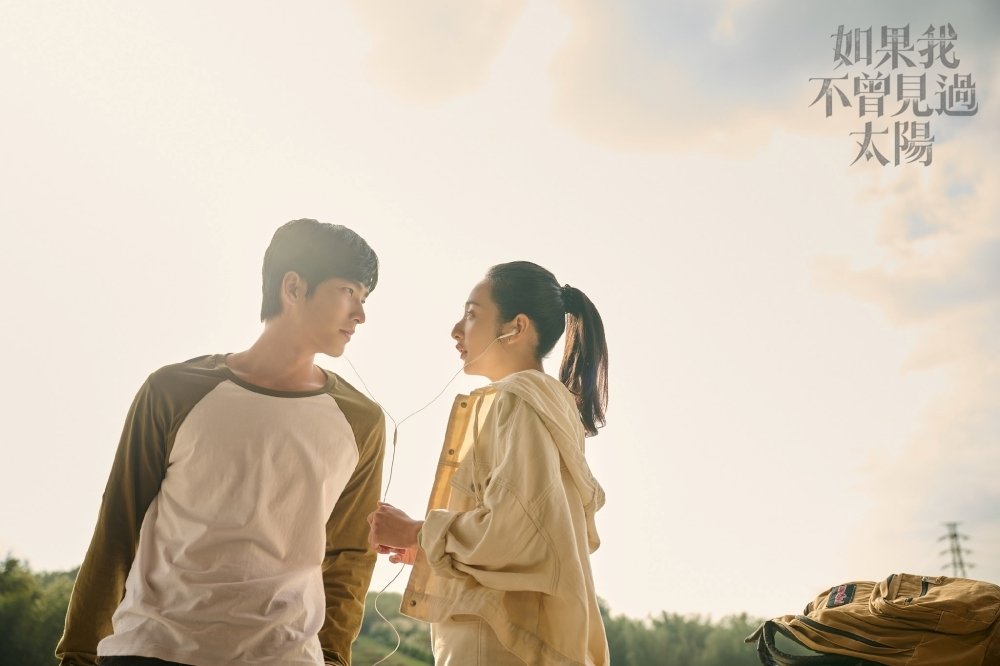
The featured image is taken from the drama poster Part 2. I thought this image was better than the sole image of the Male Lead from Part 1 that I planned to use, as shown below, because the other characters are closely related to Li Jen Yao. Although there was a romance, trust me, this is not a harem or a love triangle.
Regarding the title, the moth and the butterfly refer to the character’s symbolization, which I will explain further in Symbolism of Moth and Butterfly section.
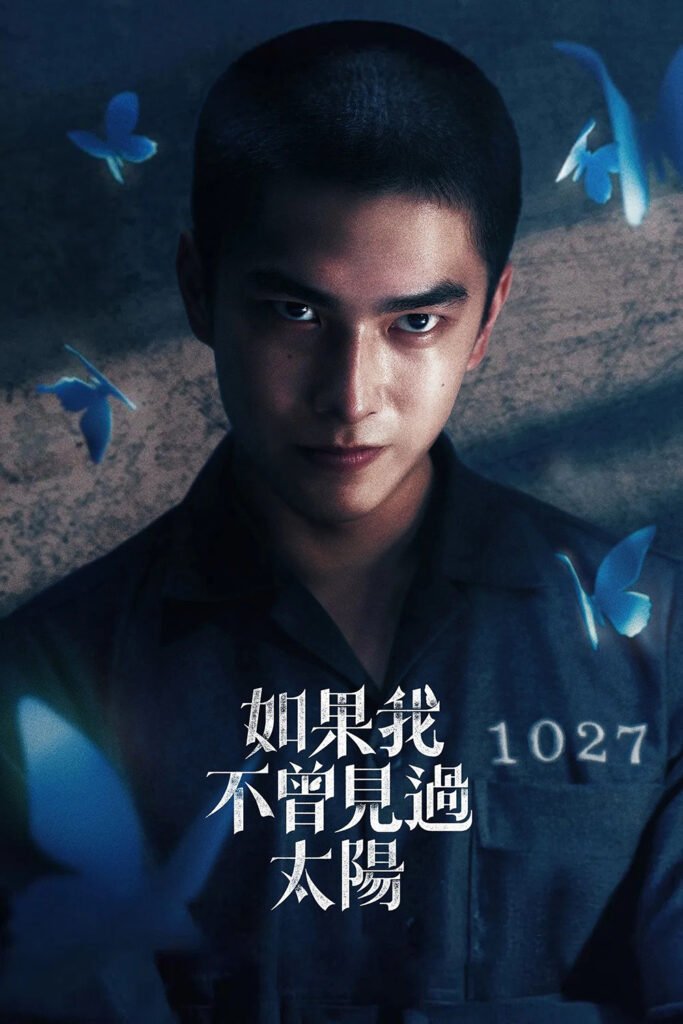
Drama Info
Drama title: Had I Not Seen the Sun (Native title: 如果我不曾見過太陽) and Had I Not Seen the Sun Part 2 (如果我不曾見過太陽 二部曲)
Alternative titles: Ru Guo Wo Bu Ceng Jian Guo Tai Yang and Ru Guo Wo Bu Ceng Jian Guo Tai Yang Er Bu Qu
Genres: Mystery, Thriller, Psychological, Romance
Aired: 13 Nov, 2025 and 11 Dec, 2025
Episodes: 20 |  Duration: 55 min. (Part 1: 10 episodes, Part 2: 10 episodes)
Director: Chien Chi Feng (簡奇峰)
Screenwriters: Chien Chi Feng (簡奇峰) and Lin Hsin Hui (林欣慧)

Where to watch: Netflix (link for both parts)
Content Rating: 18+ Restricted (violence & profanity)
Trigger Warning
Besides violence and profanity, which make the content rating 18+, the drama also contains potentially distressing material, as detailed below (click on spoiler).
Gang rape, school bullying, domestic violence, murder, and possible suicide.
OST
曾經見過太陽 (“Had I Seen the Sun”) by Shi Shi (孫盛希)
飛蛾與蝴蝶 (“Moths and Butterflies) by C.Y./Tsai Cheng Yu (蔡承祐) feat. Chen Ju Zi (陳橘子)
“Dance With You” by KAXA
覆蓋回憶 (“Overwriting”) by C.Y./Tsai Cheng Yu (蔡承祐)
Be Your Sun by U:NUS
無名氏 (“Nameless”) by KAXA
我愛台妹 (“I Love Taiwanese Girls) by MC Hotdog (MC 熱狗)
Trailers
Part 1
Part 2
Synopsis
It tells the story of 25-year-old Li Jen Yao, who turns himself in for a series of cold-blooded murders and admits to being the serial Rainstorm Killer, who once terrorized his high school classmates. While he reveals the grisly details of his crimes, he never discloses his motive.
In prison, he grants his first-ever interview to Chou Pin Yu, only for her to become entangled in unsettling dreams of both the killer and a mysterious girl in uniform. As dreams and reality intertwine, long-buried secrets of love, hatred, guilt, and redemption resurface. (Source: MyDramaList)
Characters
Main Characters
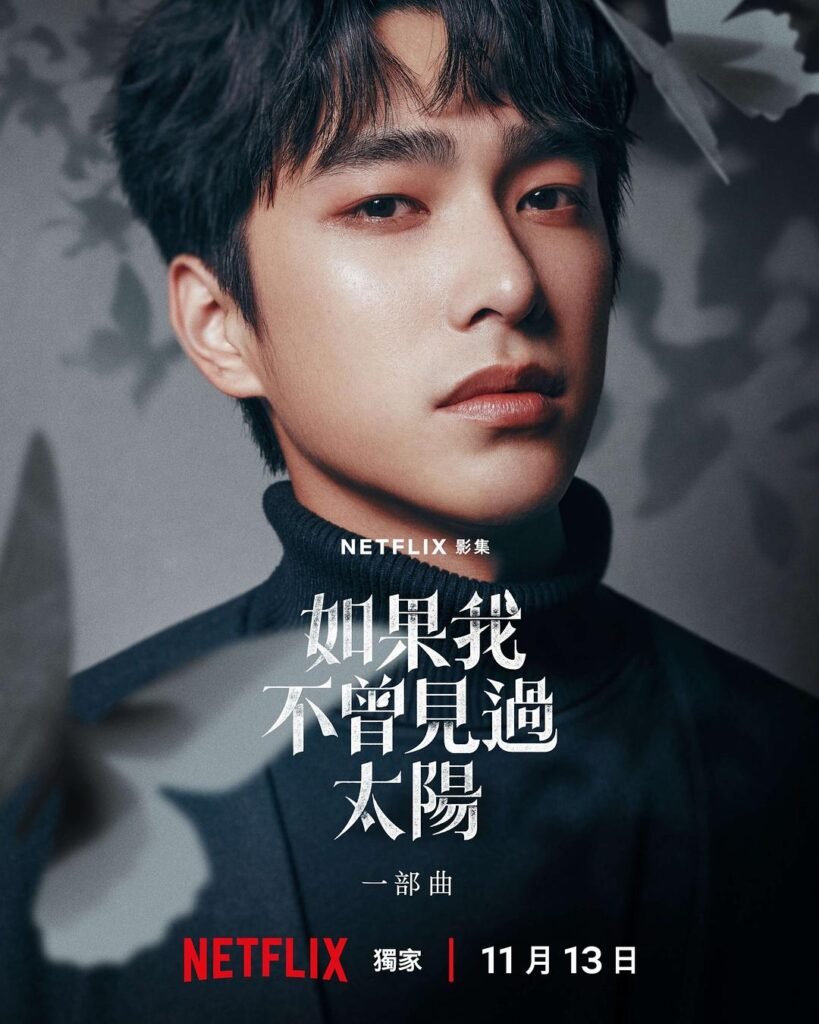
Tseng Ching Hua (曾敬驊) as Li Jen Yao
He suffered from domestic violence from his father for a long time in his childhood, and his mother taught him to suppress his emotions, making him believe that he was not worthy of being loved. He was cold and lonely on the outside, but he longed for gentleness and love in his heart. After meeting Chiang Hsiao Tung one day, his world began to change, and he gradually moved toward the tug-of-war between morality and darkness.
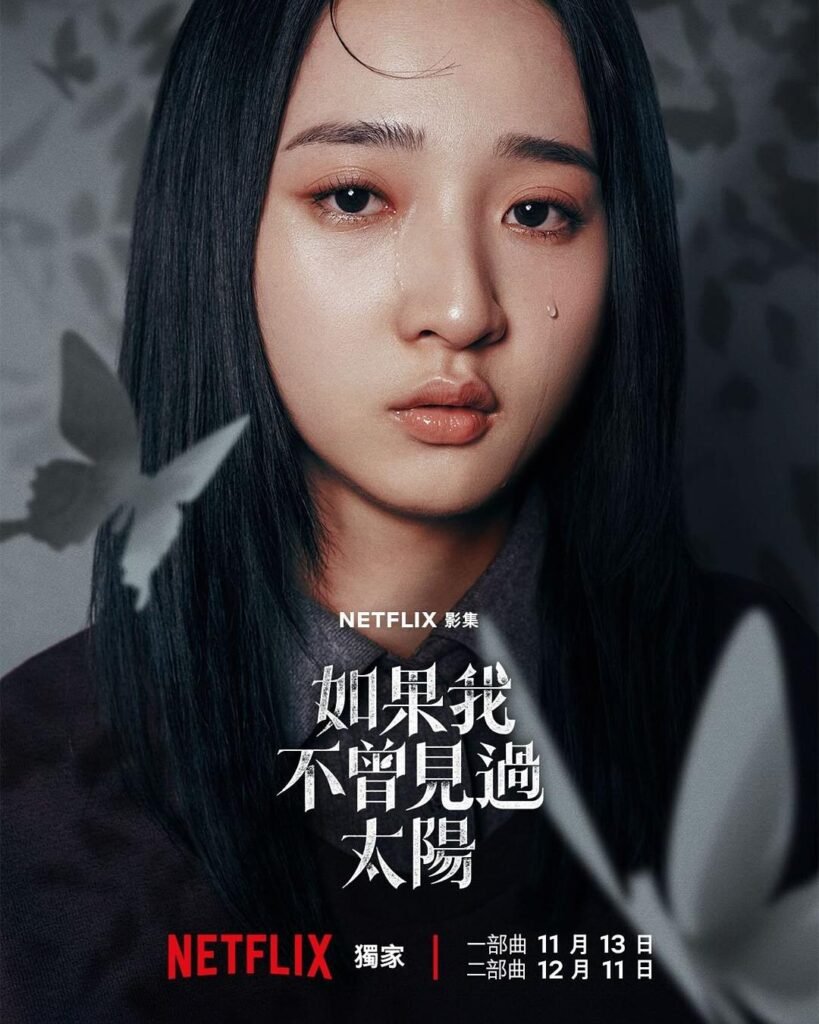
Moon Lee (李沐) as Chiang Hsiao Tung
The sun in Li Jen Yao’s life, who is also the most heart-wrenching character in the whole play. Chiang Hsiao Tung is a sunny and cheerful ballet girl with a bright smile. She comes from an ordinary family and works very hard and seriously to stand on the stage. Her sunny personality has repeatedly saved Li Jen Yao and her friend Lai Yun Chen.
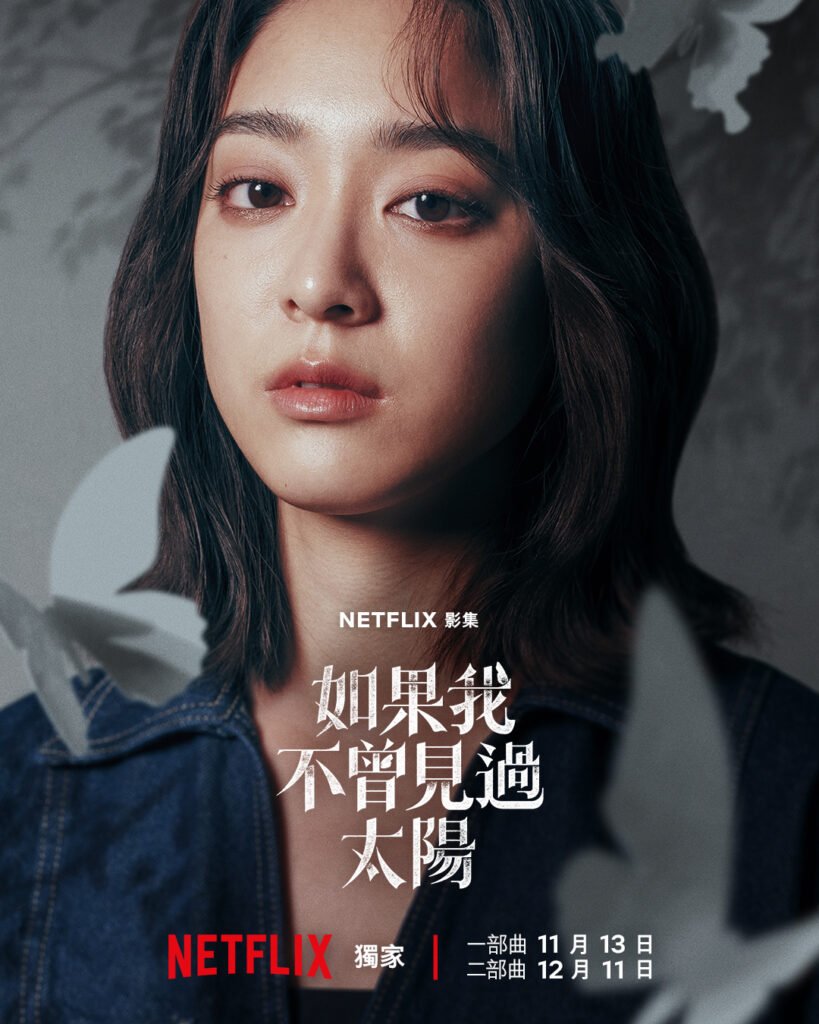
Chiang Chi (江齊) as Chou Pin Yu
TV production assistant
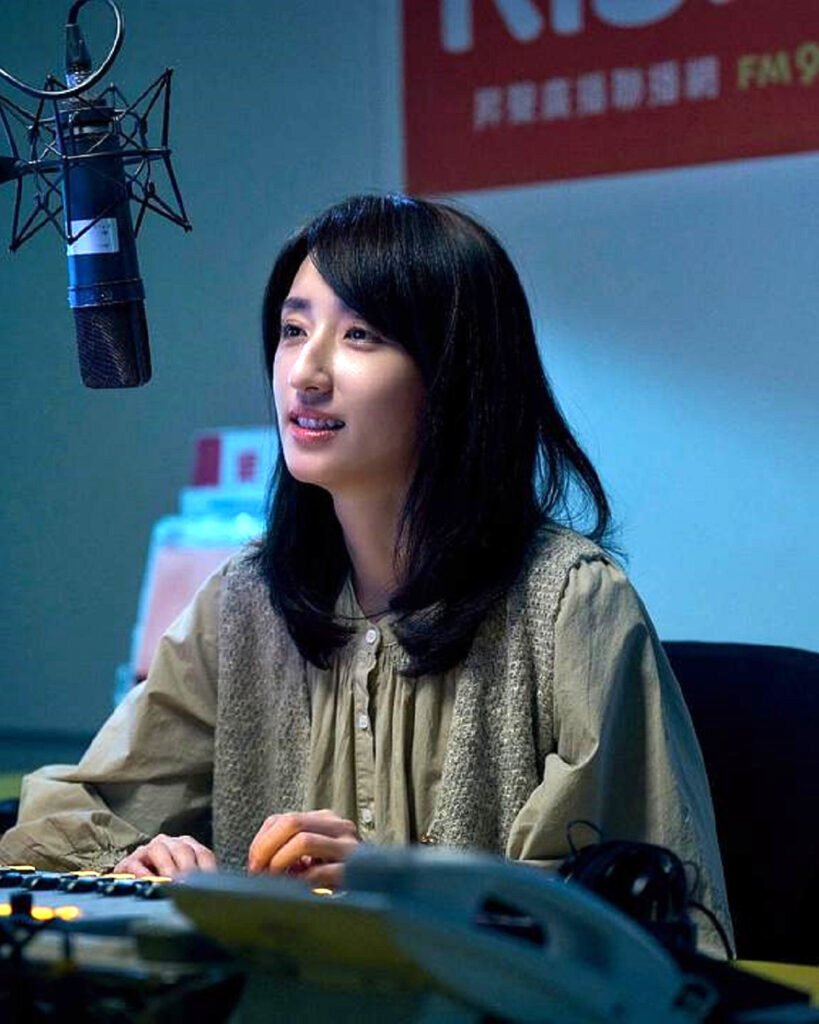
Ko Chia Yen (柯佳嬿) as Xia Tiang Qing
Radio DJ (Part 2)
Supporting Characters
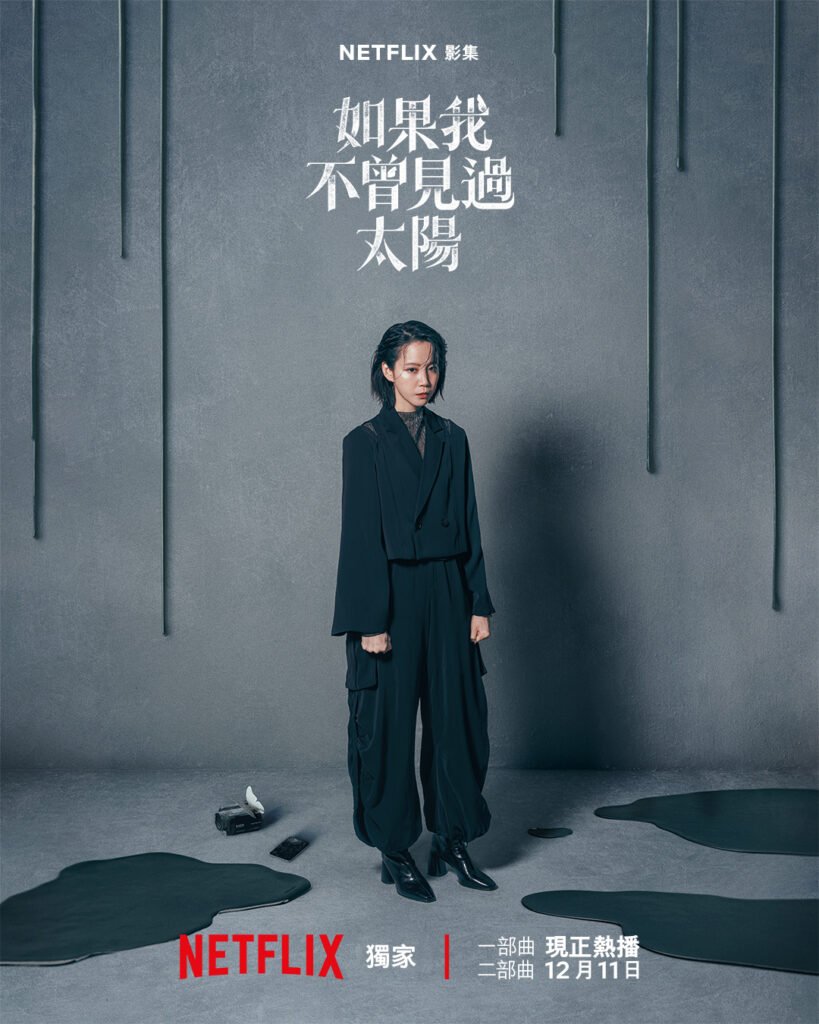
Lai Yun Chen / Shen Mu (Lyan Cheng) – Chiang Hsiao Tung’s best friend
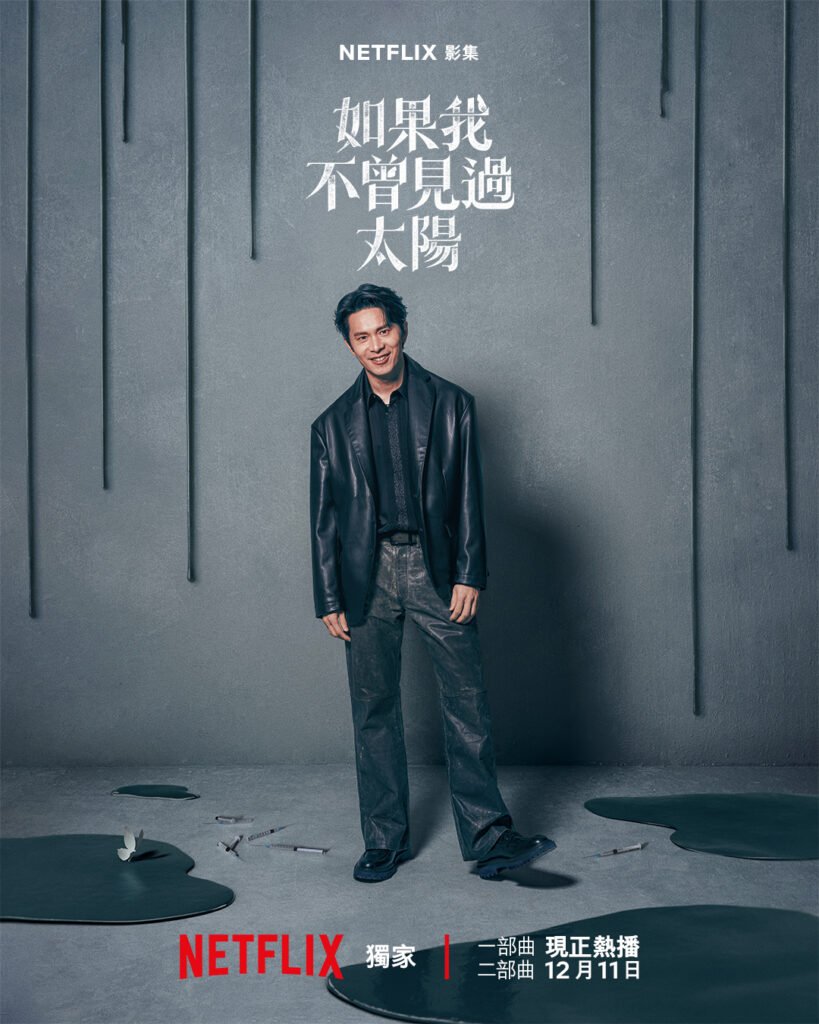
Big K (Yao Chun Yao/Jack Yao – Li Jen Yao’s boss (Part 2)
My Rating
My rating for this drama was based on MyDramaList’s scoring system, which is from 0.0 to 10.0. For any drama/movie/show I completed, I gave a minimum rating of 6.0 to appreciate the hard work of the production team, and to adjust to MyDramaList’s overall score base. From 6.0, this drama has additional scores of:
+1.0 for the unique genre blend and thought-provoking story.
+1.0 for the complex relationships between characters and strong acting performances.
+1.0 for the dark themes blends elements of reality and illusion.
+0.5 for the complex mix of feelings after watching the drama. Sympathy for the Male Lead, despite his involvement in serial killings. Also sad because his and Hsiao Tung’s inability to heal from deep wounds.
My final rating is 9.5/10.
Review
Symbolism of Moth and Butterfly
Had I Not Seen the Sun uses the powerful symbolism of moths and butterflies to represent the main characters.
The Female Lead, Chiang Hsiao Tung, is described as a “fragile butterfly” who dances in the day. The butterfly represents her character who has experienced warmth, innocence, and light, making her empathetic.
The Male Lead, Li Jen Yao, identifies himself as a moth, a nocturnal creature. Moths are attracted to light but mistake artificial light for the distant moon, circling endlessly and remaining trapped. This mirrors Jen Yao’s fate as a “moth chasing the sun,” representing a character who has only known hardship and abuse and is trapped in his own darkness.
According to the director, Chien Chi Feng, while the butterfly, Hsiao Tung, thrives in the light, the moth, Jen Yao, is a creature of the night, and they are “destined never to fly under the same sky.”
Story and Plot
Story
The central message of this drama is that some emotional and psychological wounds are permanent and cannot simply heal with time. The story emphasizes the lasting effects of trauma and the difficulty characters face in moving past their painful history. The past trauma in this drama, specifically school bullying and sexual abuse, destroys innocent lives and pushes individuals to extreme actions, like murder. It highlights the serious consequences of mental illness and the ways people struggle to cope with deep-seated pain.
Plot
While Part 1 sets up the Li Jen Yao’s motive related to his high school love, Chiang Hsiao Tung, Part 2 leans heavily into the revenge, exploring whether the perpetrators of past abuses receive their punishments.
The series uses flashbacks to depict Jen Yao and Hsiao Tung’s developing love story and how it was tragically derailed, directly linking their experiences to the present-day mystery of the serial killer.
Characterization and Acting
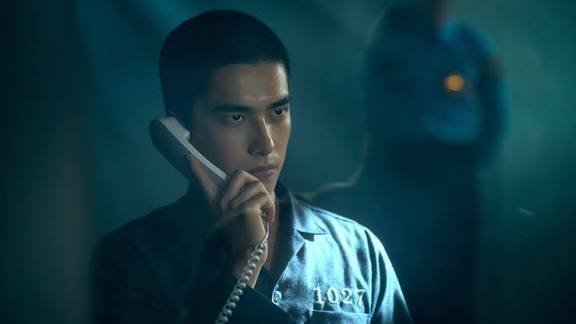
Li Jen Yao/Tseng Ching Hua
From a young age, Li Jen Yao experiences relentless bullying and a difficult home life, which shapes his worldview and actions. The show makes it hard not to feel sympathy for him, even given his heinous acts. His schoolmate Chiang Hsiao Tung shows him kindness. Their growing closeness sparks jealousy from certain schoolmates, which leads to a series of traumatic events. Li Jen Yao was framed and expelled, fundamentally altering their lives and future.
Li Jen Yao’s character arc shows a desperate transformation as he seeks revenge and tries to protect Hsiao Tung, the only person he loves.
Tseng Jing Hua’s performance is key to making the audience feel the pain and rage driving Li Jen Yao, a difficult feat for a killer character. His nuanced portrayal of the killer captures Jen Yao’s shift from vulnerable youth to menacing figure.
Chiang Hsiao Tung/Moon Lee
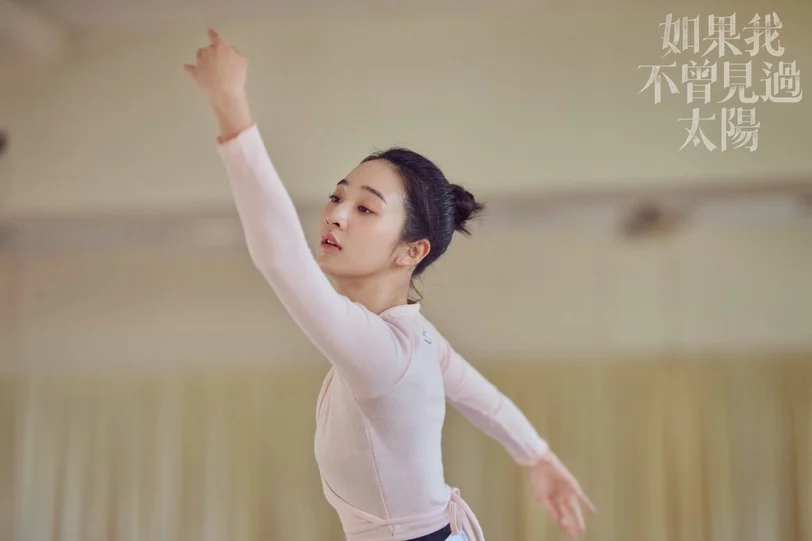
In high school flashbacks, Chiang Hsiao Tung is a talented ballet dancer who befriends and forms a deep romantic bond with her schoolmate Li Jen-yao. She shared her lunch with Jen Yao and took pity on him when he was bullied. Their relationship is depicted as a pure and profound connection, but it is ultimately tragic, leading to emotional turmoil and trauma for both.
Moon Lee’s acting as Chiang Hsiao Tung is a key element of the drama’s emotional and narrative core. Her portrayal as the Female Lead helps ground the complex, non-linear narrative, which shifts between past high school romance and present-day serial killer mystery. Her character appears often as a “ghost” or hallucination to research assistant Chou Pin Yu in Part 1.
Xia Tiang Qing/Ko Chia Yen
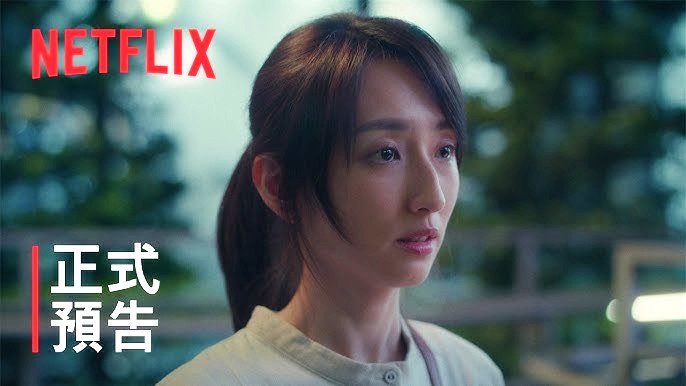
Xia Tiang Qing is a blind radio host whom Li Jen Yao becomes intrigued by due to her similarities to his high school love, Hsiao Tung.
Ko Chia Yen carries the narrative’s emotional burden, portraying hope amidst despair, with a performance praised for its compelling portrayal of loneliness.
Mental Health Issues
This section aims to highlight certain aspects of the mental health issues faced by Li Jen Yao and Chiang Hsiao Tung. It’s not meant to diagnose their disorders, as psychological intervention never happened in this drama. This section contains major spoilers, so please read with discretion.
Li Jen Yao
Jen Yao’s act of seeking revenge through serial killing is an extreme and criminal behavior driven by powerful emotional and psychological factors. It’s typically linked to personality disorders or deep-seated trauma. Many serial killers exhibit antisocial personality disorder (ASPD), psychopathy, and narcissism. These are characterized by a profound lack of empathy, a disregard for the rights of others, and an inability to feel guilt or remorse. A ‘mission-oriented’ killer believes it is their duty to rid the world of a specific type of person. This mission is rooted in a distorted mental framework, not a healthy understanding of justice.
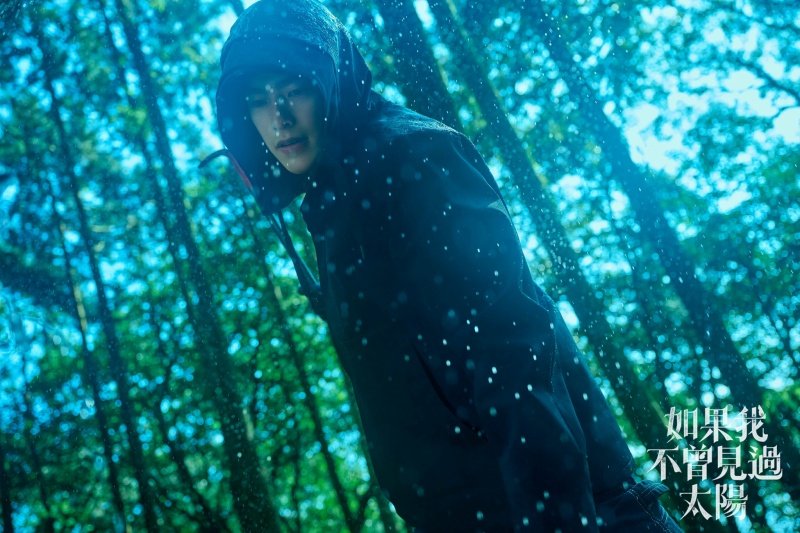
When Jen Yao gets to one of Hsiao Tung’s rapists, Yu Hsiang, Jen Yao sees that the man is physically abusive towards his wife, who is in turn violently abusive towards their son, to the extent that the young boy wears an eyepatch as a result of his mother’s assault. Killing the woman is an easy choice for Jen Yao; in fact, he even does it before he kills Yu Hsiang. However, he hears a frail voice call from the stairs, “Don’t forget about me.” This is the moment of auditory delusion, I didn’t think the child actually ask Jen Yao to kill him. However, Jen Yao sees himself in that kid, and he didn’t want the kid to turn into another him. That’s why Jen Yao strangled the child.
Chiang Hsiao Tung
After Chiang Hsiao Tung is traumatised due to group rape, and the horrific act is recorded and uploaded online, she suffers from mental health issues, and experiences memory loss and personality changes. Following the online video, her life is destroyed, leading to a suicide attempt that she survives. She doesn’t find peace but rather has to reinvent herself multiple times. Hsiao Tung rebuilds her life under new identities while haunted by her past. Because of the suicide attempt and self-mutilation, Hsiao Tung ruined her face and underwent reconstructive plastic surgery. To give her a fresh start, her parents decide to rename her Xia Tiang Qing and give her a new identity. She eventually grows up and works as a radio DJ. As for her blindness, during the suicide attempt, Hsiao Tung injured her eyes. She doesn’t suffer from loss of vision, but she suffers from somatic delusion. It’s a type of delusion where a person believes they have a severe illness or physical defect, even with normal test results.
Chiang Hsiao Tung is revealed to have a mental health issue, specifically a form of Dissociative Identity Disorder (DID). Her highschool alter ego, who never grew up and always sucks lollipop like Hsiao Tung, is called Chi Chi, played by actress Pipi Yao/Yao Ai Ning (姚愛寗).
When Hsiao Tung gets amnesia a second time, she forgets that she is Xia Tiang Qing, and Chi Chi convinces her that she is Chou Pin Yu. It’s a plot trick to deceive the viewers, as Chou Pin Yu is initially presented as a young filmmaker who interviews Li Jen Yao in prison. Chou Pin Yu also doesn’t have the look of Xia Tiang Qing, but the look of Joy, Xia Tiang Qing’s coworker.
Visualization
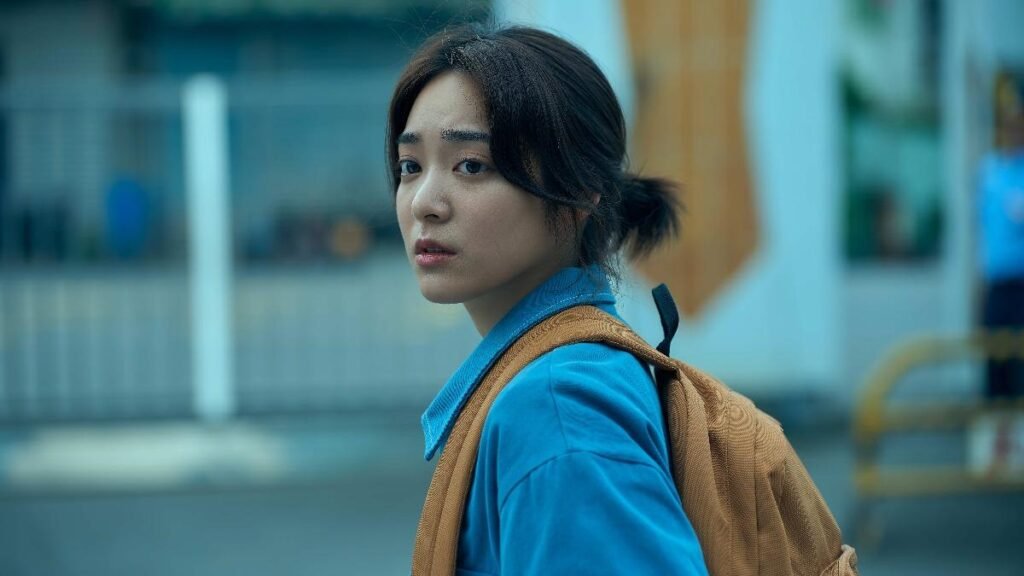
Had I Not Seen the Sun employs visual effects to create surreal, supernatural sequences that blur the line between reality and the main character’s visions. For example, the visual effects appear in the depiction of a ghostly young girl, and later we find out it’s Chiang Hsiao Tung, whom the documentary assistant, Chou Pin Yu, starts seeing in her new house.
There are also artistic visual touches, such as the black and white butterflies (or moths?), used to symbolize characters Chiang Hsiao Tung and Li Jen Yao, which involved digital effects for a stylized presentation.
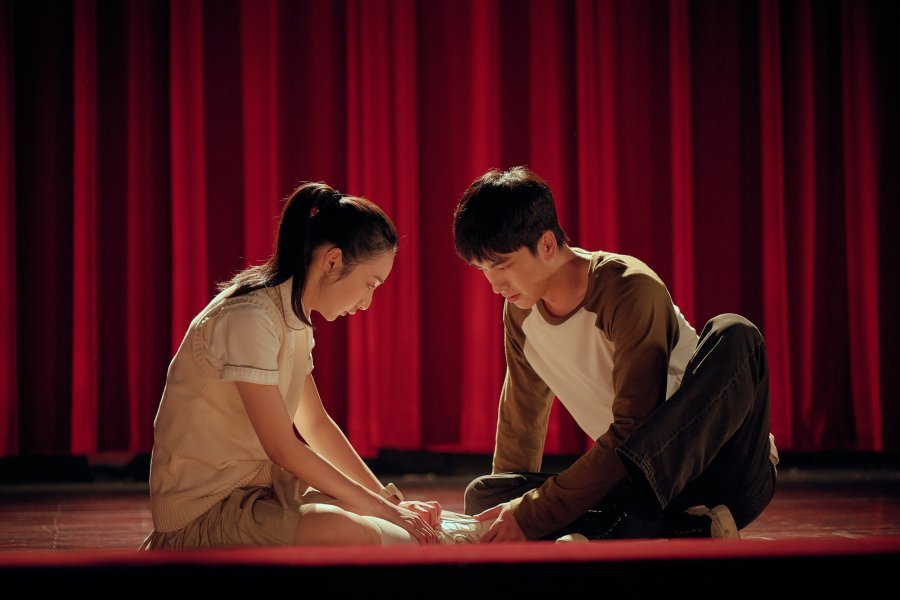
There is also a distinct visual style for 2007 (the high school period) and the present day.
Lastly, expect significant blood and gore, because the drama includes gruesome murders with descriptions and implications, as it’s a central part of the serial killer narrative, but it serves the overall emotional and psychological story.
Conclusion
Had I Not Seen the Sun aims to encourage empathy toward others, reminding us that everyone carries hidden pain. It presents a complex narrative where even a serial killer can evoke a sense of warmth and deep hurt, prompting us to reflect on the nature of evil and the circumstances that create it
Empathy in this context does not mean condoning or justifying the violence, but rather a complex human response that seeks to understand the incomprehensible and to acknowledge the shared humanity, however broken, of the perpetrator.
However, personally, I couldn’t empathize with Li Yen Yao ONCE he killed that innocent victim I mentioned in Mental Health Issues section.
Overall, Had I Not Seen the Sun is a dark, character-driven thriller that challenges viewers to confront difficult subjects and consider the long-term impact of human cruelty and the possibility of finding redemption amidst profound darkness.
Spoilers
What is the ending?
Depending on the viewer’s interpretation, either a bittersweet or a sad ending. See my explanation below.
How does the drama end?
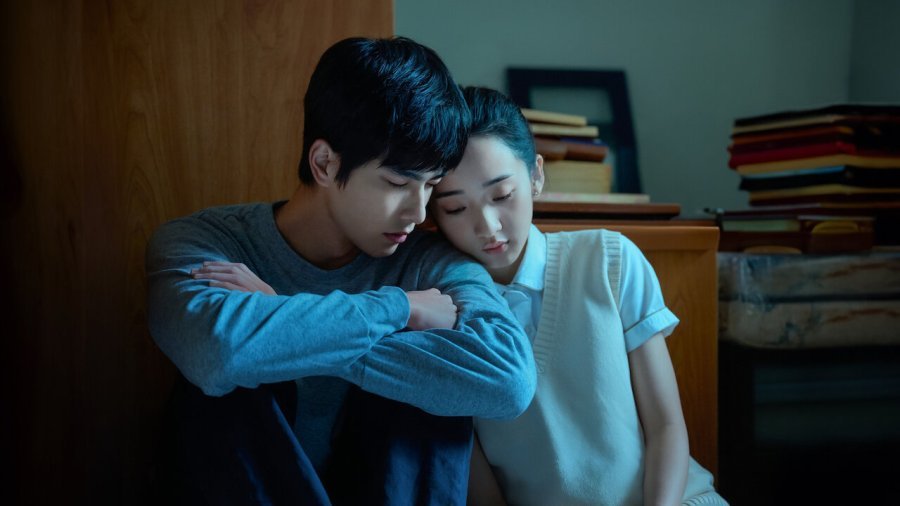
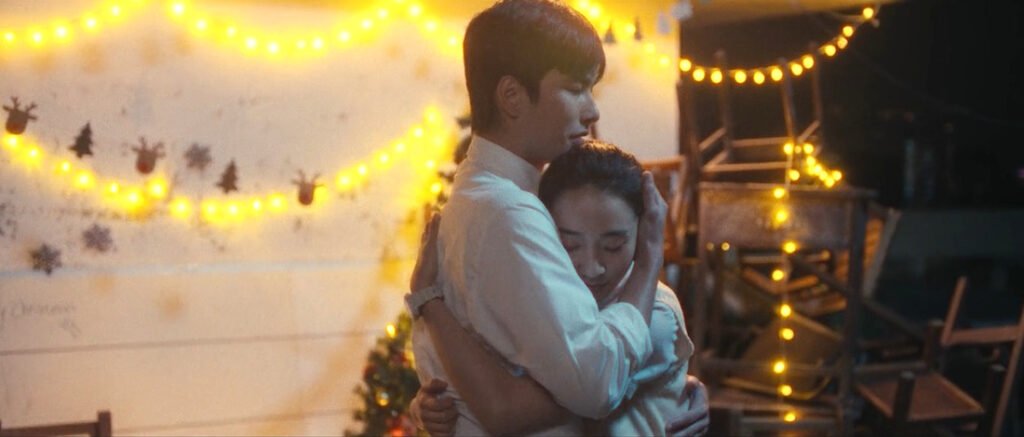
Chiang Hsiao Tung regained her memories, including her sweet time with Li Jen Yao. Li Jen Yao was executed. He wrote a letter to Chiang Hsiao Tung, but we didn’t get to read the content. She was at the beach, the same place she had gone with Li Jen Yao before. After reading the letter, she walked to into the water, but we didn’t see if she drowned herself or not. After a short closing credit, there was an Easter Egg when Li Jen Yao and Chiang Hsiao Tung were wearing high school uniforms. It was Christmas, so she invited him to celebrate Christmas together. They hugged, as shown in the above image, and there was a black butterfly and a white moth (or butterfly?) flying away together.
There was also Netflix’s initiative message with the resource hub wannatalkaboutit.com, which supports mental health, complementing their shows with info, guides, and nonprofit links for topics like abuse, self-harm, and well-being.