Introduction
What happens when a kidnapping goes wrong in the most unexpected way? The 2025 Japanese drama ESCAPE turns a tense setup into something far more emotional, trading high-stakes crime for a character-driven story about fear, connection, and the possibility of escape—both physical and emotional.

Drama Info
Drama title: ESCAPE (Native title: ESCAPE それは誘拐のはずだった)
Alternative title: Esukeepu: Sore wa Yuukai no Hazudatta
Genres: Thriller, Mystery, Drama, Supernatural
Aired: 8 Oct, 2025 - 10 Dec, 2025
Episodes: 10  |  Duration: 50 min.
Directors: Komuro Naoko (小室直子), Naganuma Makoto (長沼誠), and Sawa Yuki (澤由樹)
Screenwriter: Kayo Hikawa (ひかわかよ)

Where to watch: Amazon Prime (may need VPN) and Kawaii Idolization Subs @Bitchute.com (fansub)
OST
“Mirror” by Ieiri Leo (家入レオ) featuring Saito Kosuke (斎藤宏介)
Trailer
I cannot find the official trailer that is accessible globally. This is an introduction from the leading actor and actress on Hulu Japan. Towards the end of this video, there are some cut scenes that can be seen in Episode 1.
Synopsis
When the abduction of a corporate heiress goes wrong, the tables turn. The supposed victim begs her kidnapper to flee with her, kicking off a tense, unpredictable escape where nothing —and no one— is as it seems. (Source: Amazon Prime)
Characters
Relationship Chart
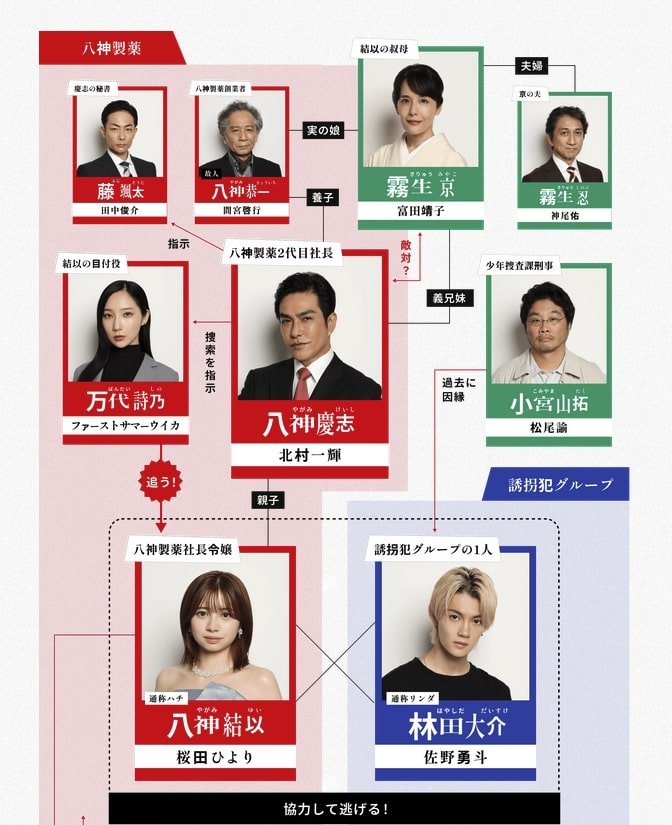
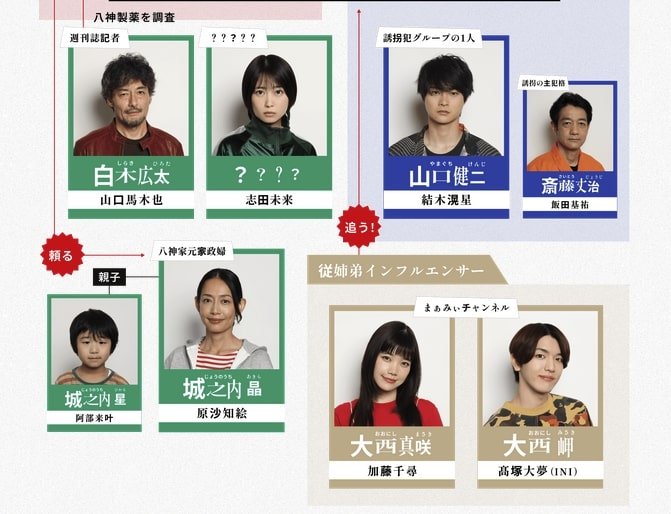
Main Characters

Sakurada Hiyori (桜田ひより) as Yagami Yui / “Hachi”

Sano Hayato (佐野勇斗) as Hayashida Daisuke / “Rinda”
Supporting Characters
People around Yui
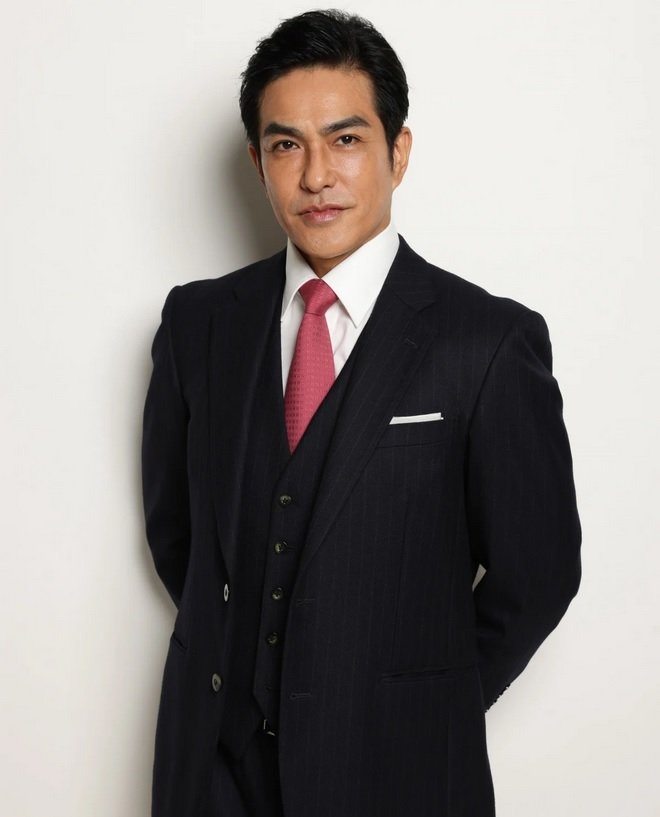
Yagami Keishi (Kitamura Kazuki) – Yui’s father

Bandai Shino (First Summer Uika) – Yui’s bodyguard
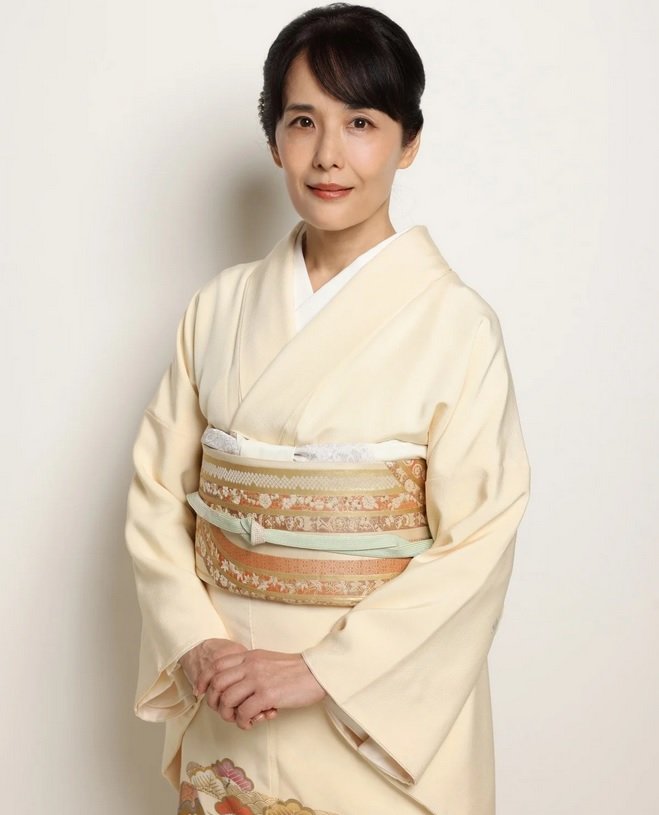
Kiryu Miyako (Tomita Yasuko) – Yui’s aunt
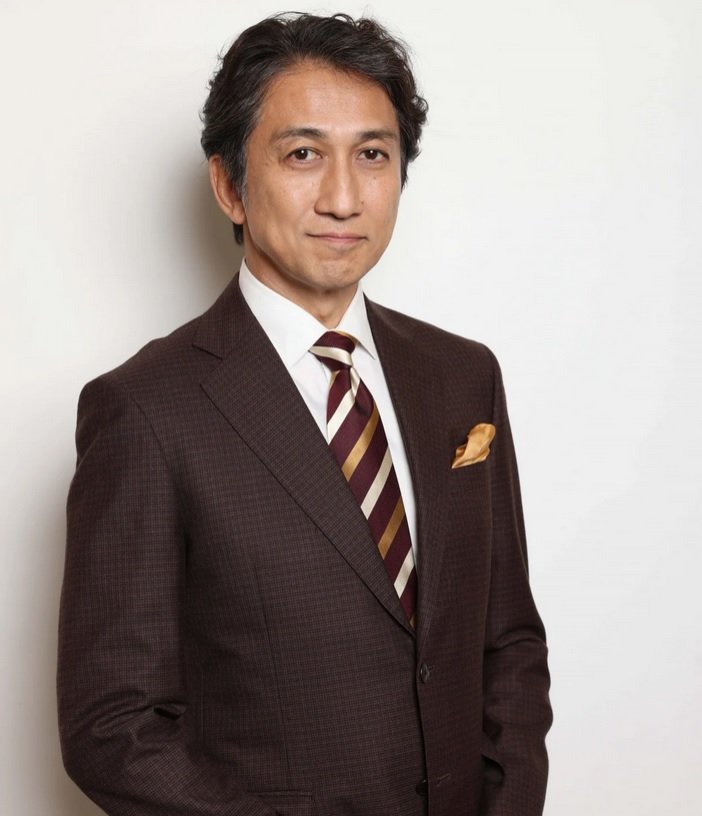
Kiryu Shinobu (Kamio Yu) – Yui’s uncle
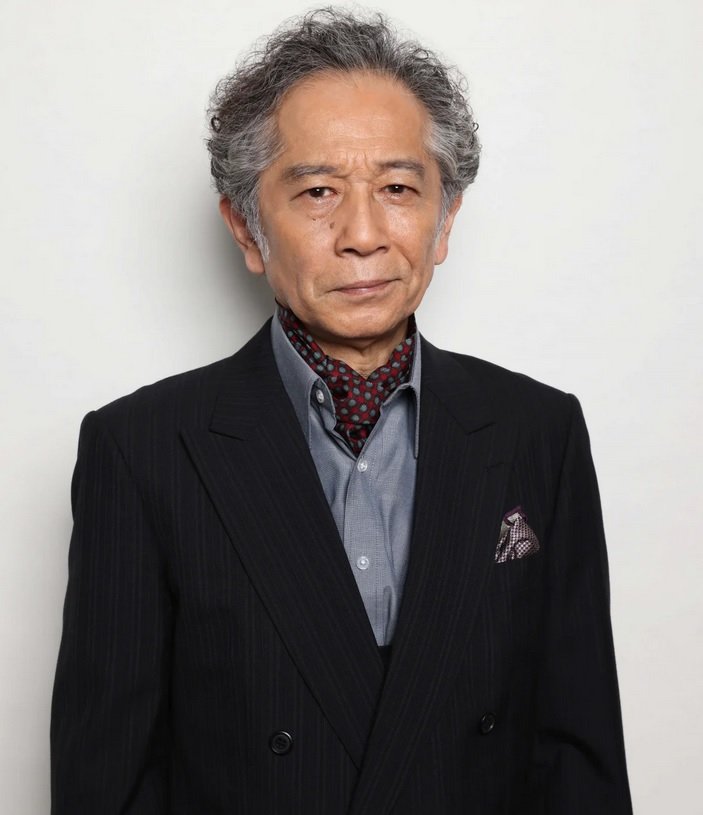
Yagami Kyoichi (Mamiya Hiroyuki) – Yui’s grandfather
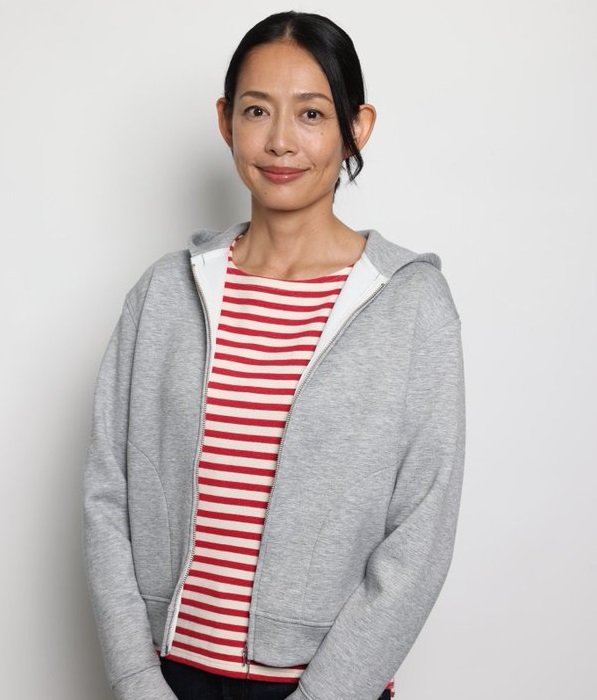
Jonouchi Akira (Hara Sachie) – Yui’s ex nanny
People around Daisuke
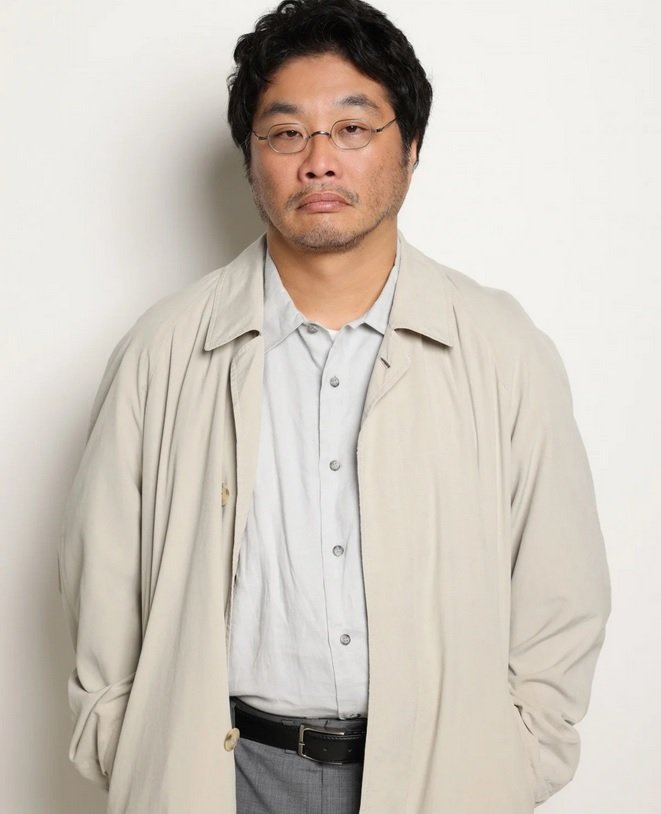
Komiyama Taku (Matsuo Satoru) – Detective in the Tokyo Metropolitan Police Department’s Juvenile Investigation Division
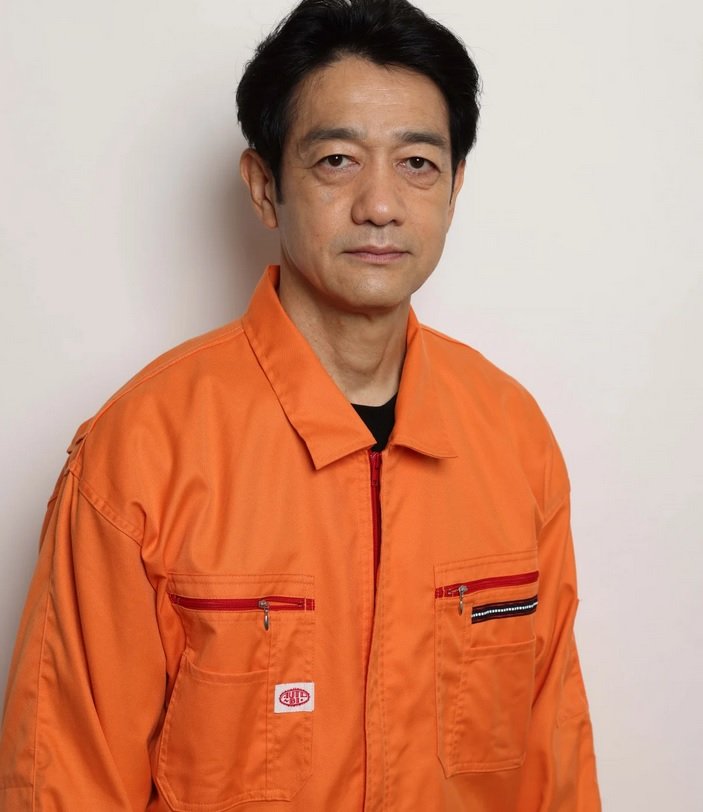
Saito Joji (Iida Kisuke) – Daisuke’s foster father
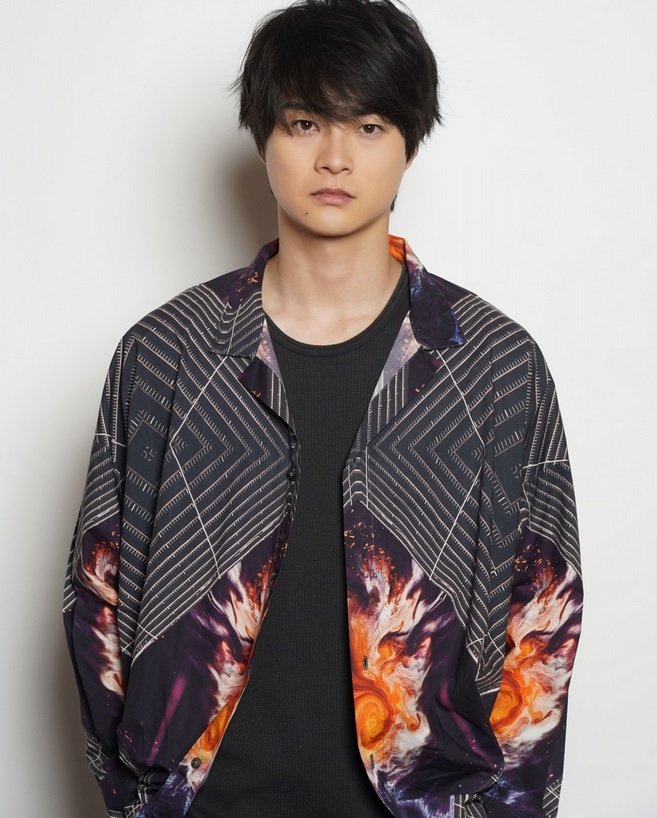
Yamaguchi Kenji (Yuki Kosei) – fellow kidnapper
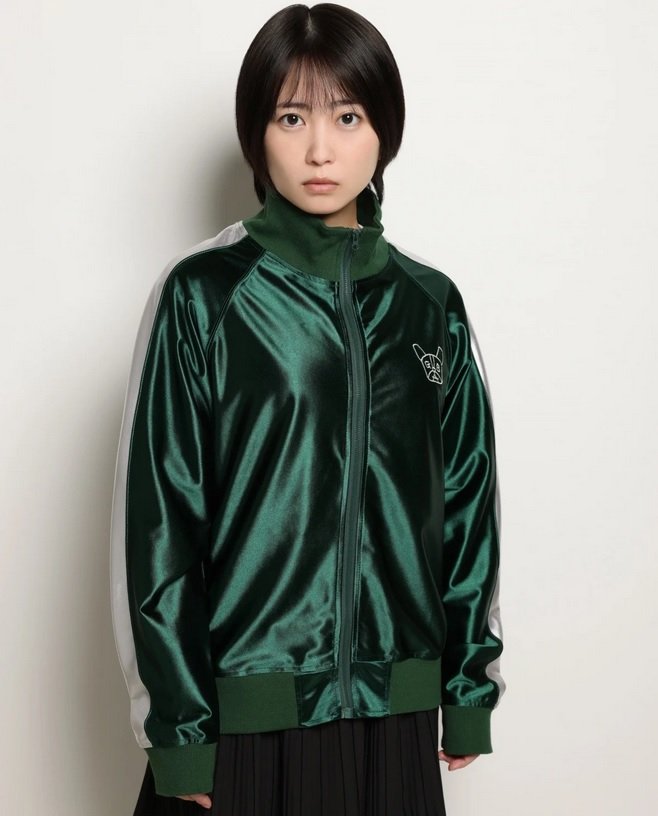
Iwata Mirei / “Gan”(Shida Mirai) – Daisuke mysterious partner-in-crime

Hayashida Tomoko (Nonami Maho) – Daisuke’s mother

Kosaka Riri (Kageyama Yuka) – Daisuke’s ex girlfriend
Others
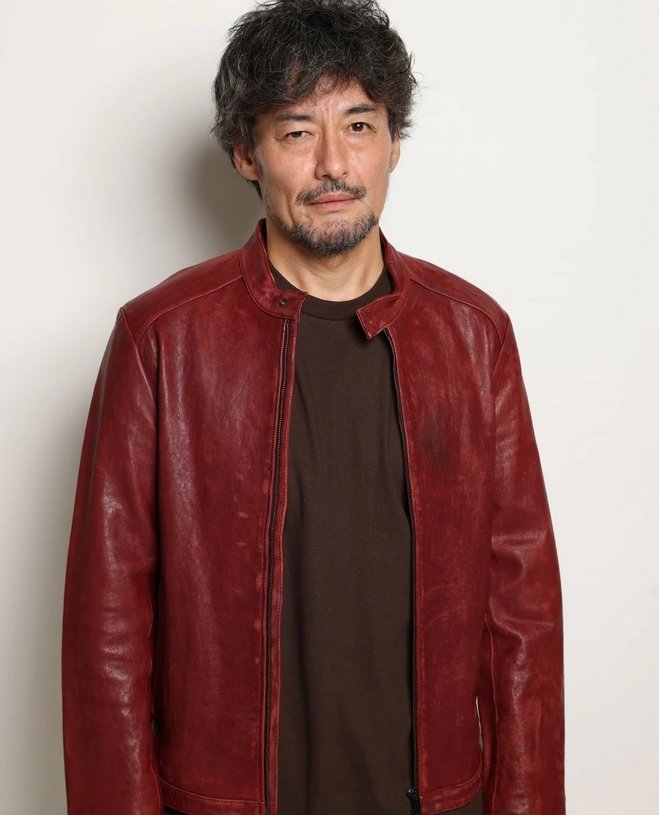
Shiraki Hirota (Yamaguchi Makiya) – reporter

Onishi Misaki (Takatsuka Hiromu) – influencer

Onishi Masaki (Cent Chihiro Chittiii) – influencer
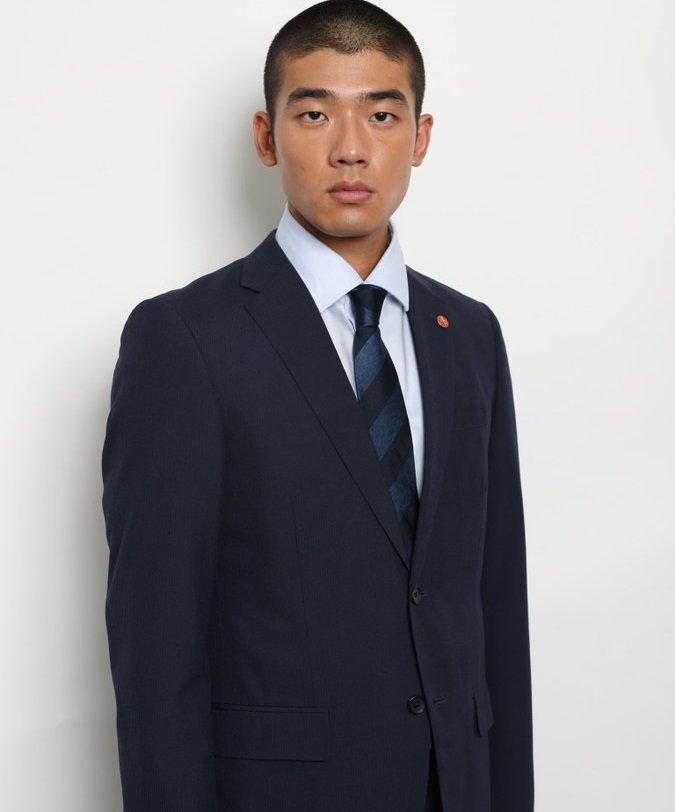
Tabata Haruki (Hidaka Yukito) – Detective in the Tokyo Metropolitan Police Department’s First Investigation Division, Komiyama’s partner
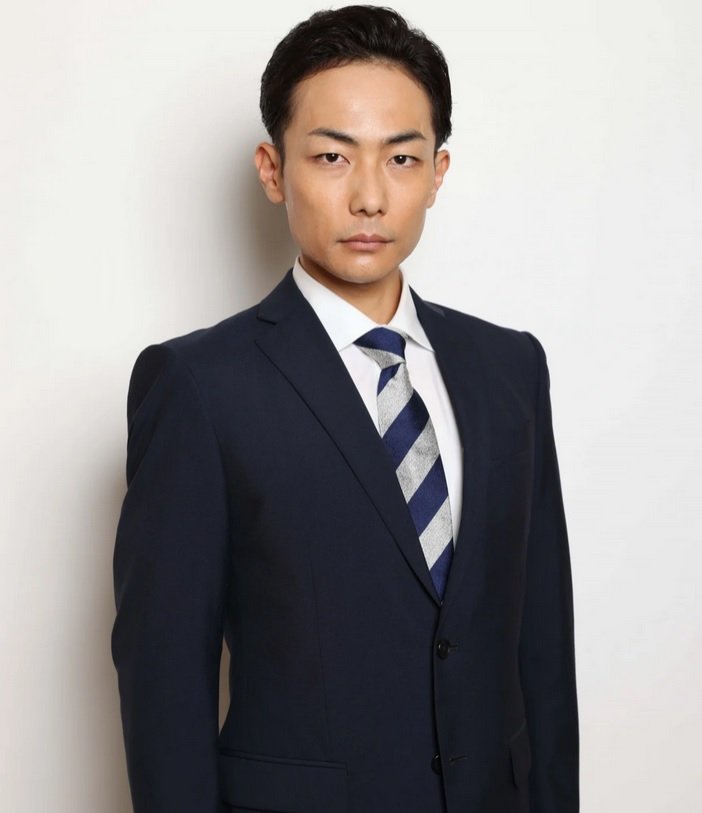
Fuji Sota (Tanaka Shunsuke) – Yagami Keishi’s secretary
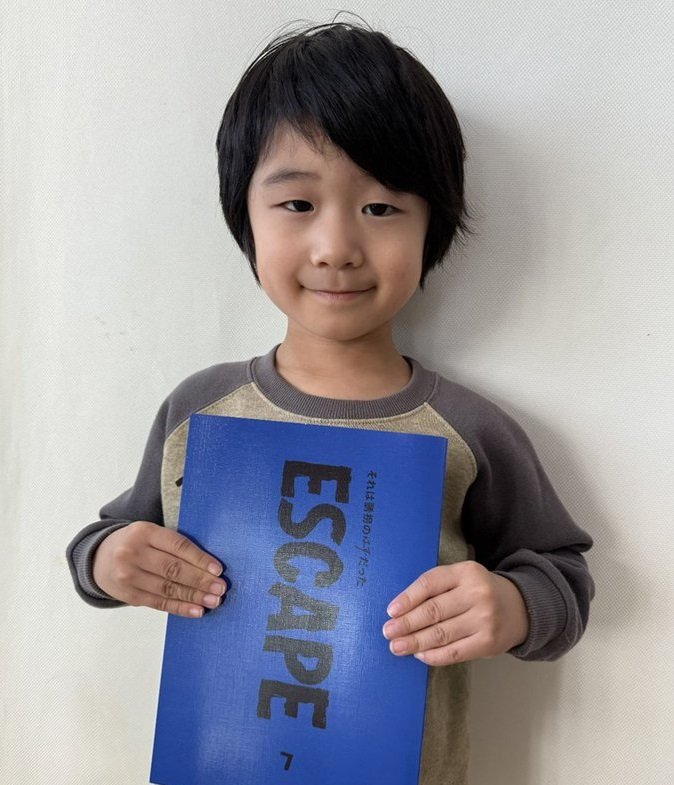
Jonouchi Hikaru (Abe Raito) – Jonouchi Akira’s son
Review
Themes and Messages
Themes
Liberation and Self-Discovery. With the “kidnapping”, Yui gained physical freedom, literally. Her ankle monitor was cut off. However, she also gained the emotional freedom to make her own choices, no matter whether it’s wise or unwise (for example, when she “kidnapped” the little Hikaru). During the getaway, she finally discovered herself, which led to her real transformation.
Trust and Unlikely Bonds. The drama explores building a found family dynamic between an unlikely pair—a hostage and a kidnapper—who become partners in a chaotic escape. Along the way, similar trust and unlikely bonds were also formed between the pair with Gan, Riri, and others, even with the characters who had been perceived as threats before.
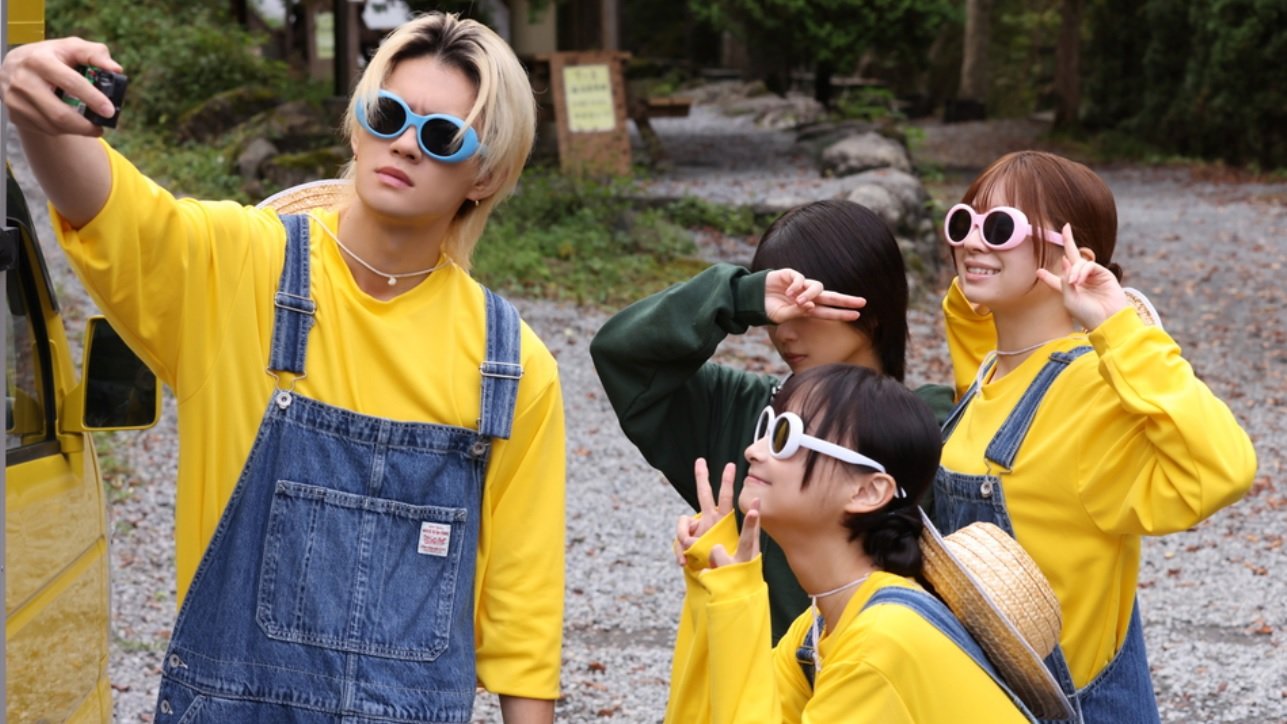
Authentic Connection vs. Surface Reality. When touching someone’s hand, Yui saw a color that she perceived as a representation of the person’s intent towards her. The color can mean that the person was safe (for example, Daisuke’s color was pink), dangerous (black or brown), or questionable (many colors). However, when she started to build authentic connections with the “dangerous” and the “questionable” people, she understood the real meanings of the colors.
Message
My one takeaway is that friendship and found family matter because they fill the emotional gaps left by strained or incomplete biological relationships. These bonds aren’t based on obligation or roles, but on choice. That makes them feel more genuine and emotionally honest.
Examples in the drama:
Yui, Daisuke, and Hikaru: found family
Yui, Daisuke, Gan, and Riri: unlikely friendship

Story and Plot
Story
Thriller
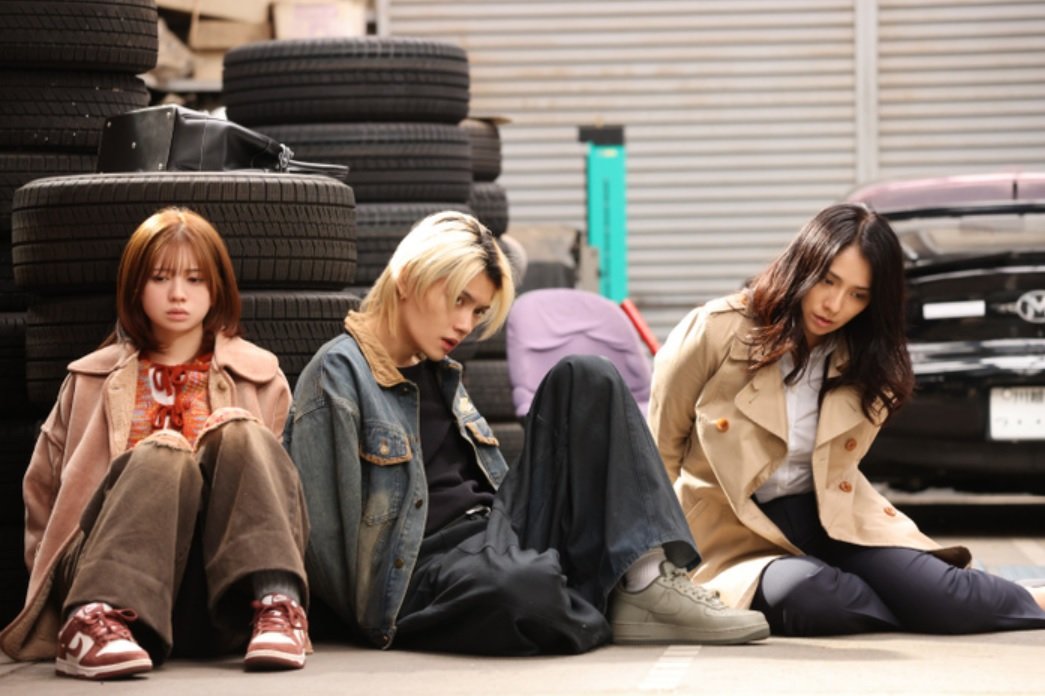
The thriller element is built in a pretty unconventional way—it doesn’t rely on constant danger or violence, but on uncertainty and reversal. At first, the premise suggests a typical high-stakes kidnapping story, which normally creates tension through fear for the victim. But the drama quickly flips that expectation: the “victim” isn’t entirely helpless, and the “kidnapper” isn’t fully in control. This reversal becomes the core of its thriller tension.
Mystery
The mystery built around this drama is about why things are happening and who these characters really are beneath the surface. I had questions since the beginning: Who are these kidnappers? What are their motifs? Why did Yui wear a monitor bracelet? Why did she want to run away? And the most important thing is: how will everything end? I was not just asking, “What will happen next?”—but constantly questioned the characters’ identities, motivations, and hidden pasts.
Drama
A key dramatic element is that the drama is character-driven tension. Each character, not only Yui and Daisuke, carries emotional baggage—family pressures, isolation, or dissatisfaction with their lives. The “escape” becomes symbolic, not just physical. They aren’t only running from a situation, but from the versions of themselves shaped by society and family expectations. As they spend more time together, their interactions slowly peel back these layers, revealing vulnerability and creating a believable emotional bond.

Supernatural
If I had to find a drawback of this drama, maybe the supernatural aspect. Although there are some explanations on how she saw the colors, her perceptions of them, and how she got the supernatural power, the superpower itself was not explored further. There are also other characters with such power. In the middle of the drama, a new term, “Satori,” is introduced. You can read more about it in the Spoiler section: What is “Satori”?
Romance
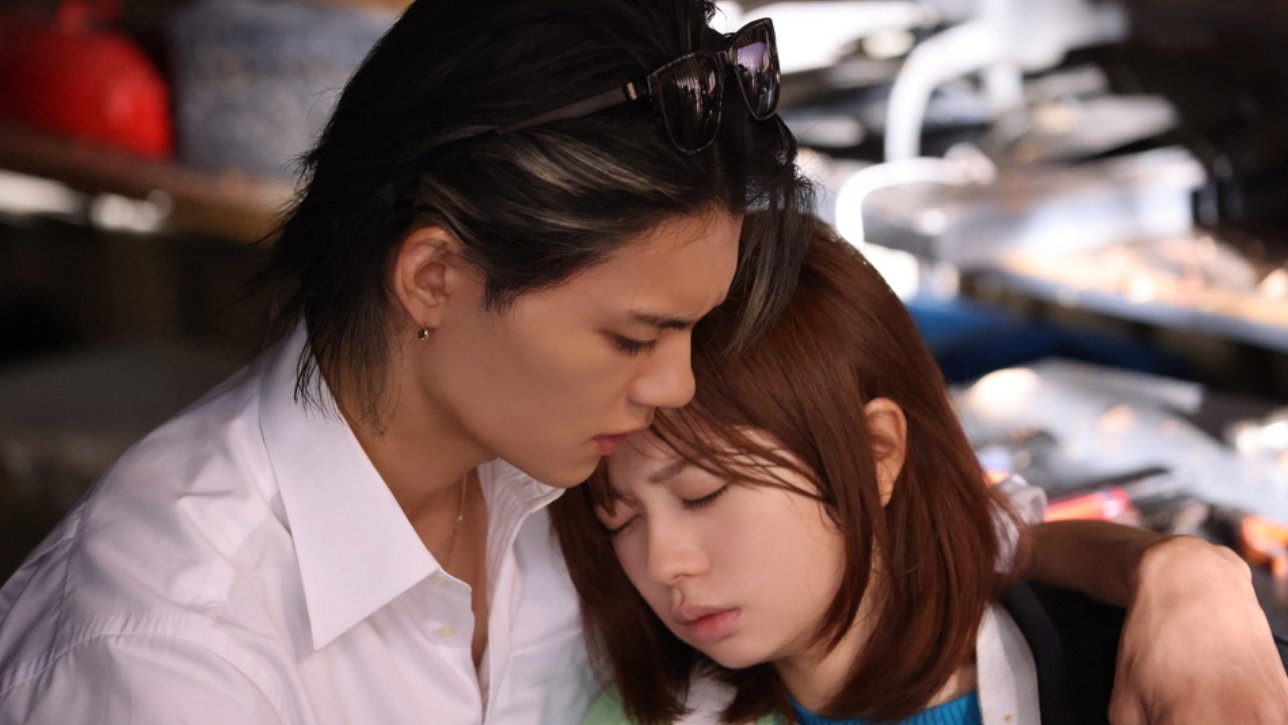
I initially worried their relationship would feel like Stockholm Syndrome, but it doesn’t. Yui and Daisuke quickly move past the captor–victim dynamic, building a bond based on trust, shared experiences, and mutual understanding.
Though romance isn’t a main genre, a subtle, slow-burn connection develops between them. It grows naturally from their high-stress situation, focusing more on emotional closeness than grand gestures. Their chemistry makes the understated romance especially effective.
Plot
The drama starts with a simple kidnapping premise but quickly subverts expectations, shifting focus from external danger to internal tension as the “victim” and “kidnapper” dynamic breaks down. It builds tension on two levels: the practical challenge of sustaining or escaping the situation, and a deeper emotional arc where mistrust gradually evolves into fragile trust and mutual understanding.
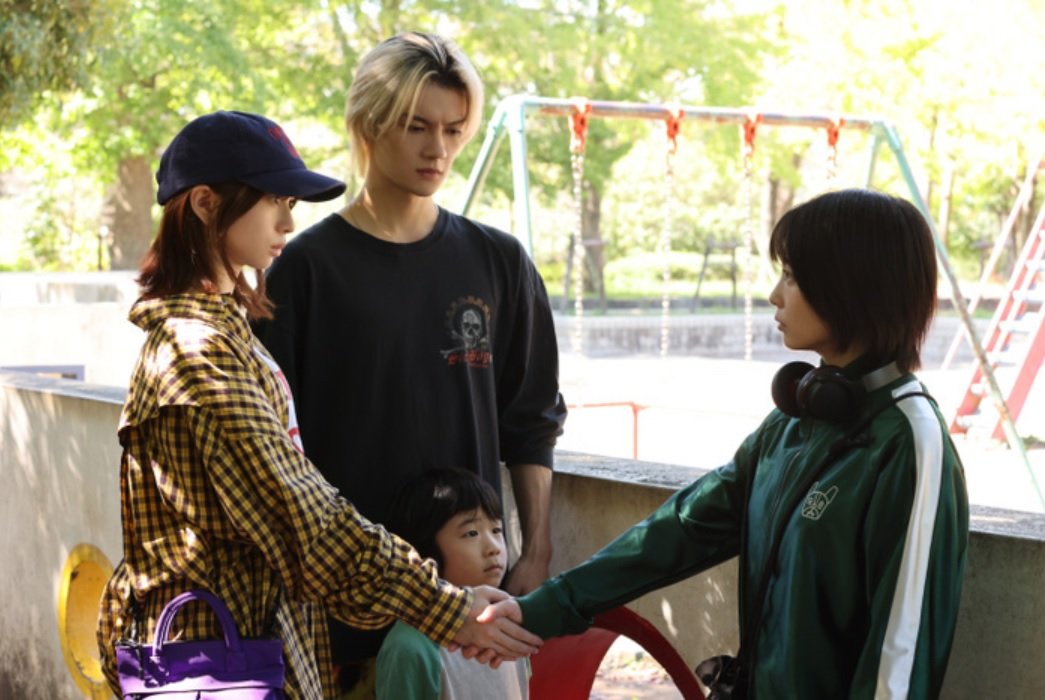
Pacing is deliberate and measured. The drama builds intensity externally through the chase and the run, and internally through small changes in behavior and dialogue. This creates a sense of realism and keeps me focused on character growth rather than spectacle.
Overall, the plot stands out because it reframes a crime setup into a character-driven psychological drama, using confinement, role reversal, and gradual revelation of identities to explore trust, morality, and human connection under unusual circumstances.

Characterization and Acting
Yagami Yui or “Hachi” / Sakurada Hiyori
Yui is a serious personality with an interest in social welfare and poverty issues. However, she has a resistance to interacting with people because of her secret.
Sakurada Hiyori managed to convey hidden vulnerability and a strong desire to escape her life, balancing the character’s mysterious nature with surprising charisma.
Hayashida Daisuke or “Rinda” / Sano Hayato
Daisuke is a young man who grew up in a financially poor environment and has a past involvement in juvenile fraud. Despite his aggressive behavior and appearance, Daisuke has a simple, naive, and honest personality. He is also sensitive to changes in people’s emotions, due to the family issues he grew up with.
Sano Hayato brought a comedic quality to the kidnapper, Rinda. His performance felt natural, and he seemed to act as himself, bringing his own personality.
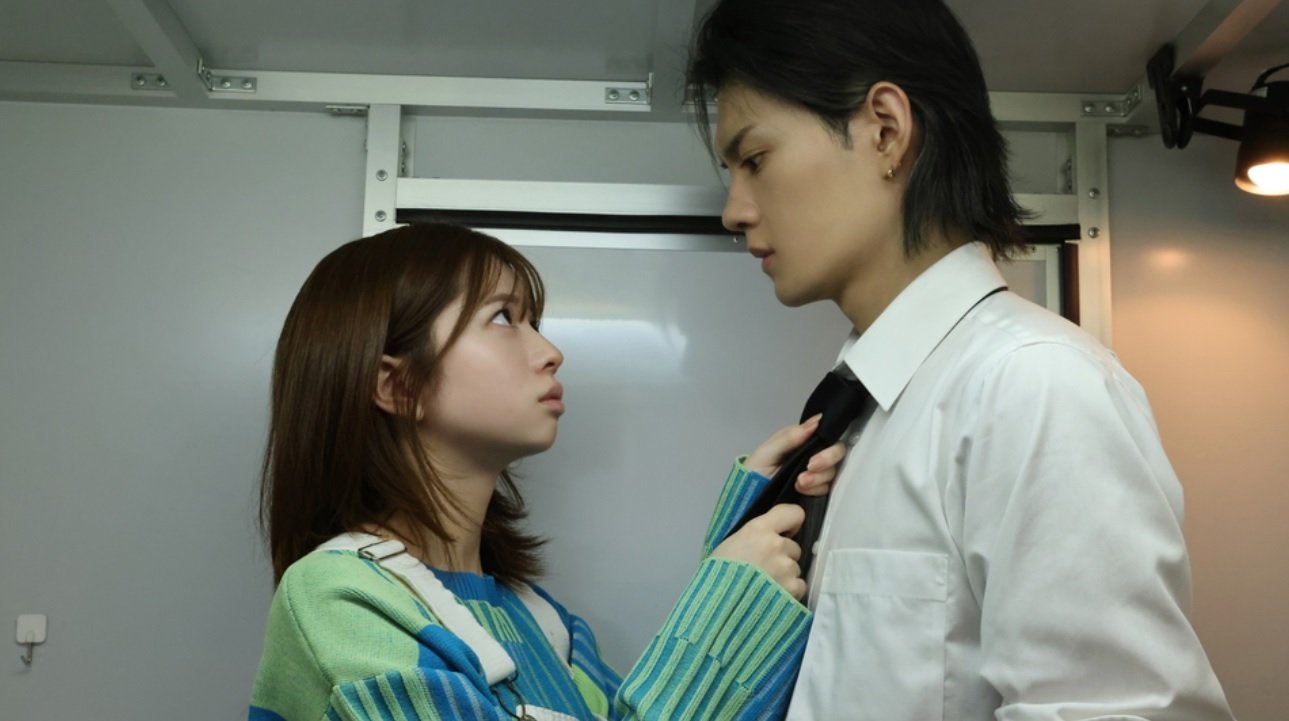
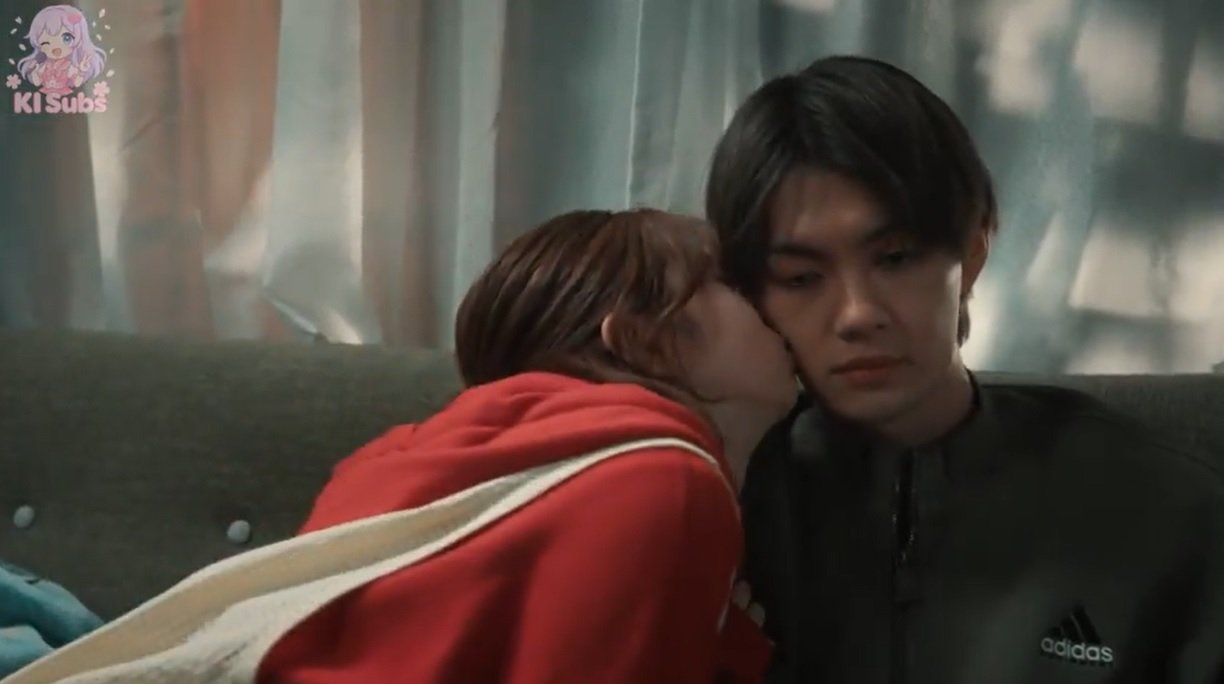
The core of the drama is the dynamic between Sakurada Hiyori and Sano Hayato. Their banter is constant yet affectionate, making the unconventional pairing easy to root for. Their “no-need-confess” relationship dynamic was considered a standout aspect. The acting in key, intimate scenes, such as the kisses in the final episode, felt highly natural. I read that they ad-libbed some scenes.
Supporting Cast
Typically, in this type of drama like this, the supporting cast is divided into allies and enemies. The allies are the ones who helped Yui and Daisuke during their escapade, and the enemies who pursued them for various reasons. ESCAPE has grey supporting characters who shift alliances, where they change from enemies to allies or vice versa, creating a chaotic atmosphere. The supporting characters often hold the keys to understanding our main leads.
In my opinion, most of the supporting characters are nice. The supporting characters create some nuance that keeps the story grounded. Some may be suspicious, cautious, or self-interested at first. They have basic empathy and a willingness to help, for example, Detective Komiyama Taku. Others help in limited ways, not out of deep loyalty but basic decency, for example, the Maamii influencers. This prevents the drama from feeling too dark.
Visualization
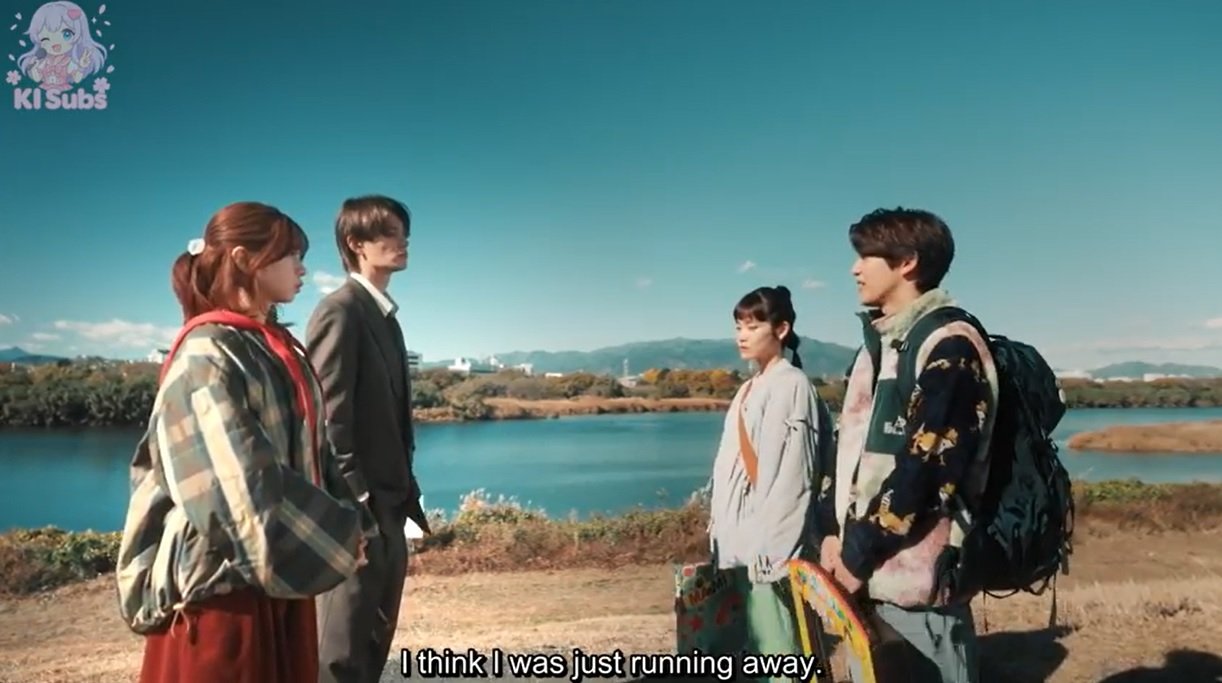
ESCAPE leans toward a realistic, almost understated look (for example, the use of natural lighting) rather than dramatic cinematography. This makes the story feel more believable, which is important since the premise is already unusual. It keeps you focused on the characters instead of the visuals.
There is also intimate framing during character moments, with more close-ups and mid-shots, and tighter framing during conversations. You’re pulled into subtle expressions—eye contact, hesitation, small emotional shifts. This is especially important since some relationships are quiet and understated. For example, the romance between Yui and Daisuke, and the family relationship between Yui and her father later in the drama.

My Rating
I used my rating system with additional scores of:
+1.0 for story and plot
+1.0 for characterization and acting
+0.5 for the visualization
+0.5 for the unique plot
ESCAPE deserves an additional rating because the drama shows creativity and effort beyond the usual formulas. It keeps the story engaging and unpredictable, which makes the viewing experience more memorable.
+0.5 for rewatch value
Although the suspense is over because I already know what happens next, ESCAPE has a high rewatch value. I will rewatch the dynamics between Yui and Daisuke, and them with other characters along the way. The dialogues, small gestures, and quiet moments that build their friendship are gold.
Total rating: 9.5/10.
Conclusion
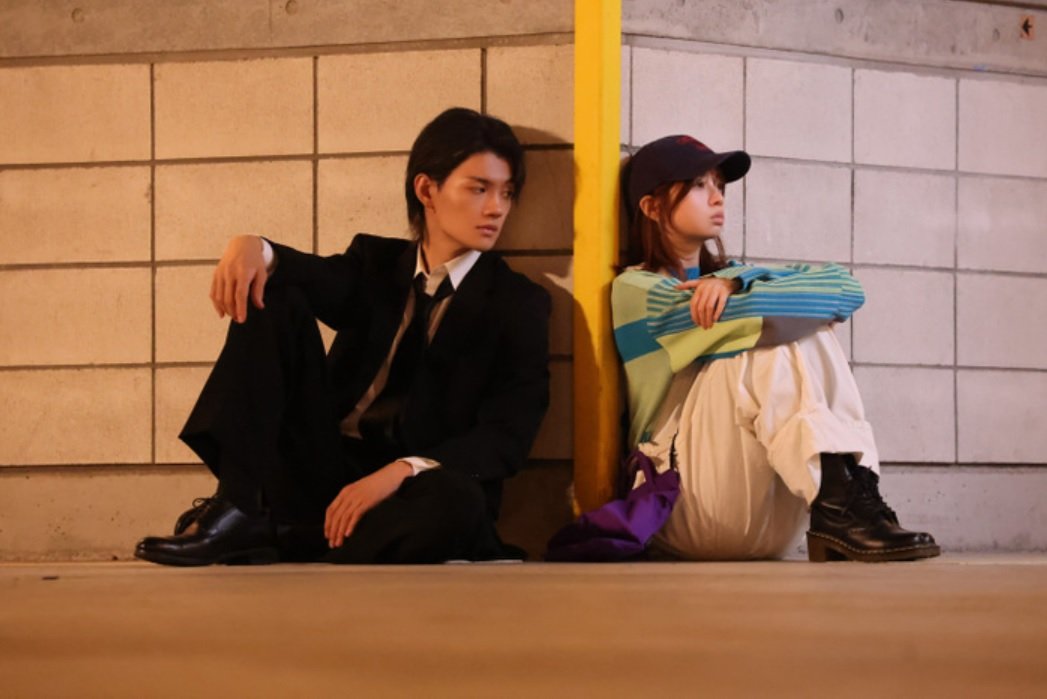
At the end, I didn’t expect ESCAPE to feel emotional; it really surprised me. What looks like a straightforward plot with kidnapping, ransom, and escaping, actually turns into a story about trust and understanding between two people stuck in a strange situation.
I highly recommend the drama because ESCAPE takes a familiar thriller setup and flips it into something fresh—mixing suspense, humor, and heartfelt character growth. Its unpredictable dynamic, strong chemistry between the leads, and focus on trust and found family make it both engaging and emotionally satisfying in a short watch. Don’t forget to watch the 19-minute extra episode, too! (In fansub)
Spoilers
What secret does Yui have?
She has a supernatural power, called Satori, that allows her to see the color of a person by touching his/her hand.
What is “Satori”?
In Japanese folklore, the Satori (覚) is a mountain-dwelling yōkai (spirit or monster) known for its supernatural ability to read minds and instantly articulate a person’s thoughts, often before they speak them. By reading minds, they can instantly know a person’s guilty secrets, insecurities, or plans to attack.
Why did Yui run away?
She saw that her father’s color was black, and she perceived it as a malicious intent toward her (hate/anger). Moreover, her father had put on a monitoring ankle bracelet on her.
Why did Yui trust Daisuke to run away with him?
She saw that his color was pink, the same color her father had when she was little.
What is the ending? [short answer]
Wholesome happy ending.
What happened to Hachirin at the end? [long answer]
After graduating from university, Yui worked at the orphanage where Hikaru lived. Daisuke served in prison for kidnapping Yui, but he was released in two years. In the special episode, they were talking about getting married and adopting Hikaru.





Ok! Adding this to my watch list!
Thank you for reading! I think I’ve made your watching list long, lol.