Introduction
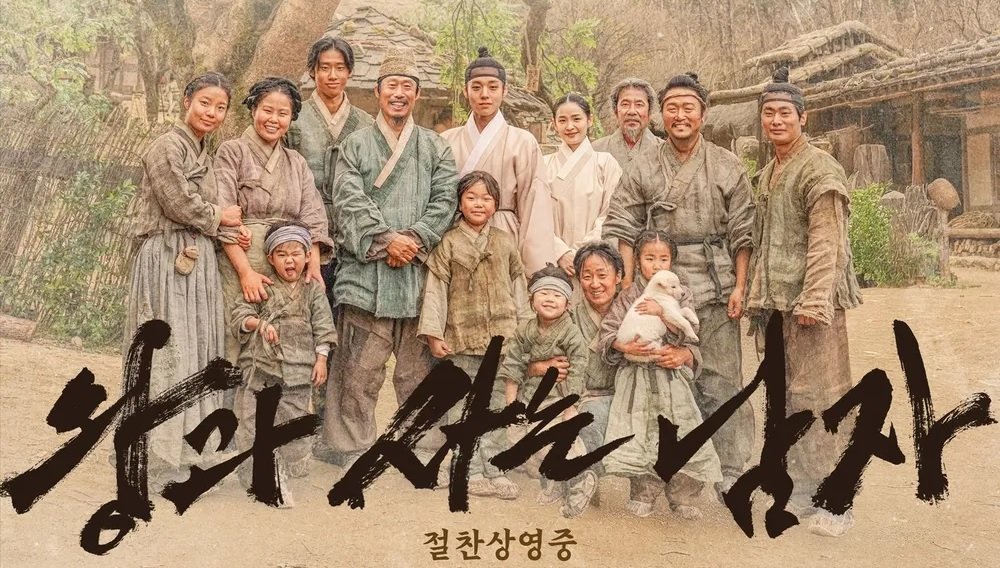
King’s Warden is a powerful Korean historical film that blends political intrigue with deep emotional storytelling. Set against the brutal struggle for the Joseon throne, the film follows the heartbreaking bond between a fallen young king and the humble man who risks everything to protect him. With strong performances, tragic realism, and themes of loyalty, sacrifice, and humanity, King’s Warden delivers an unforgettable story about the devastating cost of power.
Movie Info
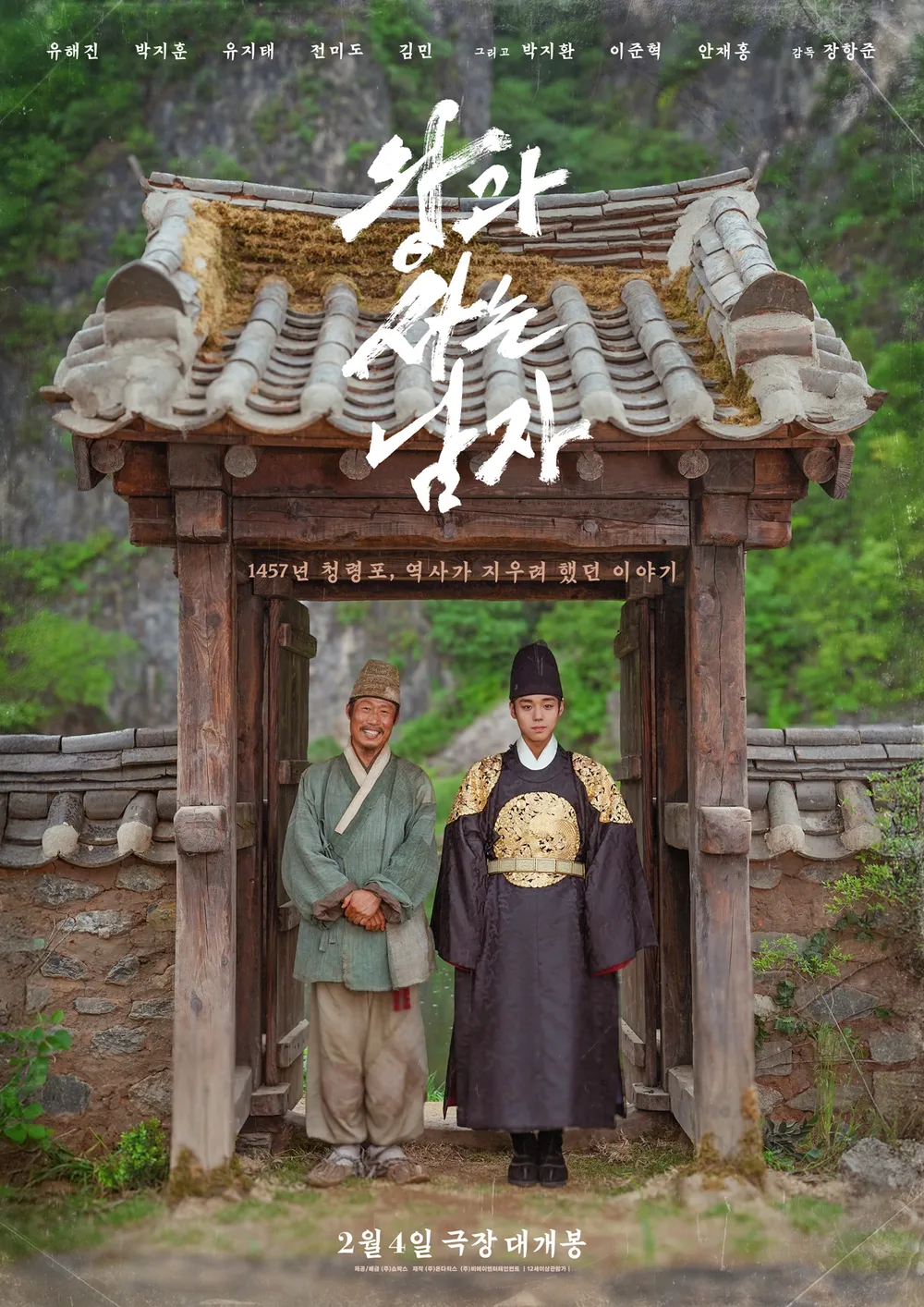
Movie title: The King’s Warden (Native title: 왕과 사는 남자)
Alternative title: The Man Who Lives with the King, Wanggwa Saneun Namja
Genres: Historical, Melodrama, Political
Release Date: 4 Feb, 2026
Duration: 1 hr. 57 min.
Director: Jang Hang Joon (장항준)
Screenwriters: Jang Hang Joon (장항준) and Hwang Sung Goo (황성구)

 Based on the history of King Danjong, the sixth monarch of the Joseon Dynasty.
Awards
62nd BaekSang Arts Awards (2026)
- Grand Prize (Daesang): Yoo Hae Jin
- Best New Actor: Park Ji Hoon
- Gucci Impact Award: The King’s Warden
- Naver Popularity Award: Park Ji Hoon
24th Director’s Cut Awards (2026)
- Best Actor: Yoo Hae Jin
- Best New Actor: Park Ji Hoon
28th Far East Film Festival (2026)
- Audience Awards, 3rd Place: The King’s Warden
OSTs
The acclaimed soundtrack was produced by renowned music director Dalparan. It features a sweeping instrumental score alongside the hit bittersweet ballads 동행 (“Companion”) and 벗 (“Friend”), both performed by actress and singer Jeon Mi Do. I couldn’t find the first song, but this is the MV of “Friend”. The song is played at the end credits. There is only a Hangul subtitle on this official media, but it can be auto-translated into English.
Trailer
Synopsis
Fate entwines a fallen king with the man who becomes his last keeper.
In a remote mountain village of 15th-century Joseon, a humble headman, Heung Do, hears a rumor that any village hosting an exiled nobleman will be blessed with abundance and fortune. Hoping to bring prosperity to his impoverished community, he eagerly submits a petition to host one—unaware that his guest is none other than the fallen monarch, the deposed boy, King Danjong.
While an unlikely bond begins to form between the dethroned ruler and the man assigned to watch over him, the quiet village finds itself drawn into the perilous undercurrents of royal intrigue—where loyalty and survival collide. (Source: MyDramaList)
Historical Background
Born Yi Hong Wi in 1441, Danjong became king in 1452. His mother died the day after his birth, and both his father and his grandfather (the legendary King Sejong the Great) passed away shortly after. Left completely vulnerable without parents or grandparents, the young king was dethroned in a bloody 1453 coup led by his uncle, Grand Prince Suyang (who later declared himself King Sejo). Danjong was stripped of his title and banished to Cheongnyeongpo—an isolated area in Yeongwol bordered by cliffs and the Donggang River, accessible only by boat. In 1457, his uncle ordered his death. While historical records disagree on whether he was forced to take poison or was strangled, Danjong’s life ended at just 16 years old.
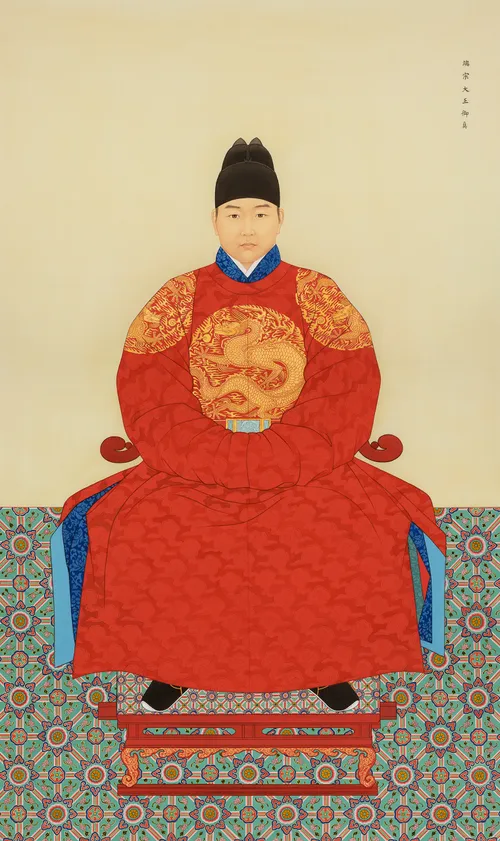
Five centuries after his death, Korea’s official historical records still cannot agree on how the ill-fated King Danjong met his end. The King’s Warden steps into that gap, offering its own version of a story that the dynasty’s chroniclers documented in conflicting accounts. (Source: Korea Times)
While the core tragedy is well-documented in Korean history, the film takes creative liberties to build an emotional narrative. The movie introduces a fictionalized relationship with a local village chief, Um Heong Do, who becomes a dedicated warden and protector, offering his village as a haven during the king’s exile. Moreover, instead of depicting Danjong strictly as a powerless and passive victim, the film reimagines him as a young man trying to survive, with moments of growth, humor, and dignity.
Details of what facts and what fictions in the movie can be read in the Korea Herald.
Characters
Main Characters
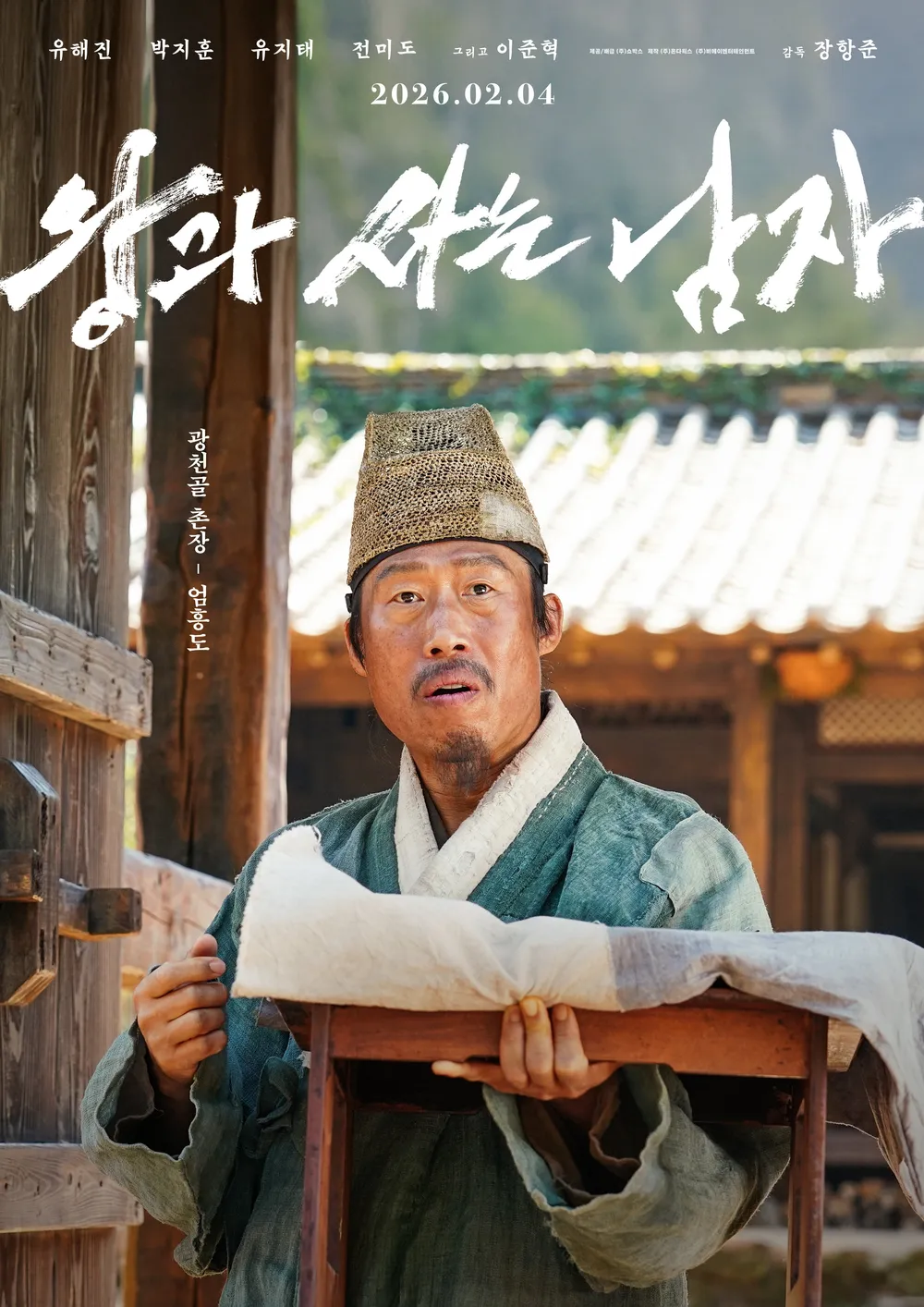
Yoo Hai Jin (유해진) as Um Heong Do
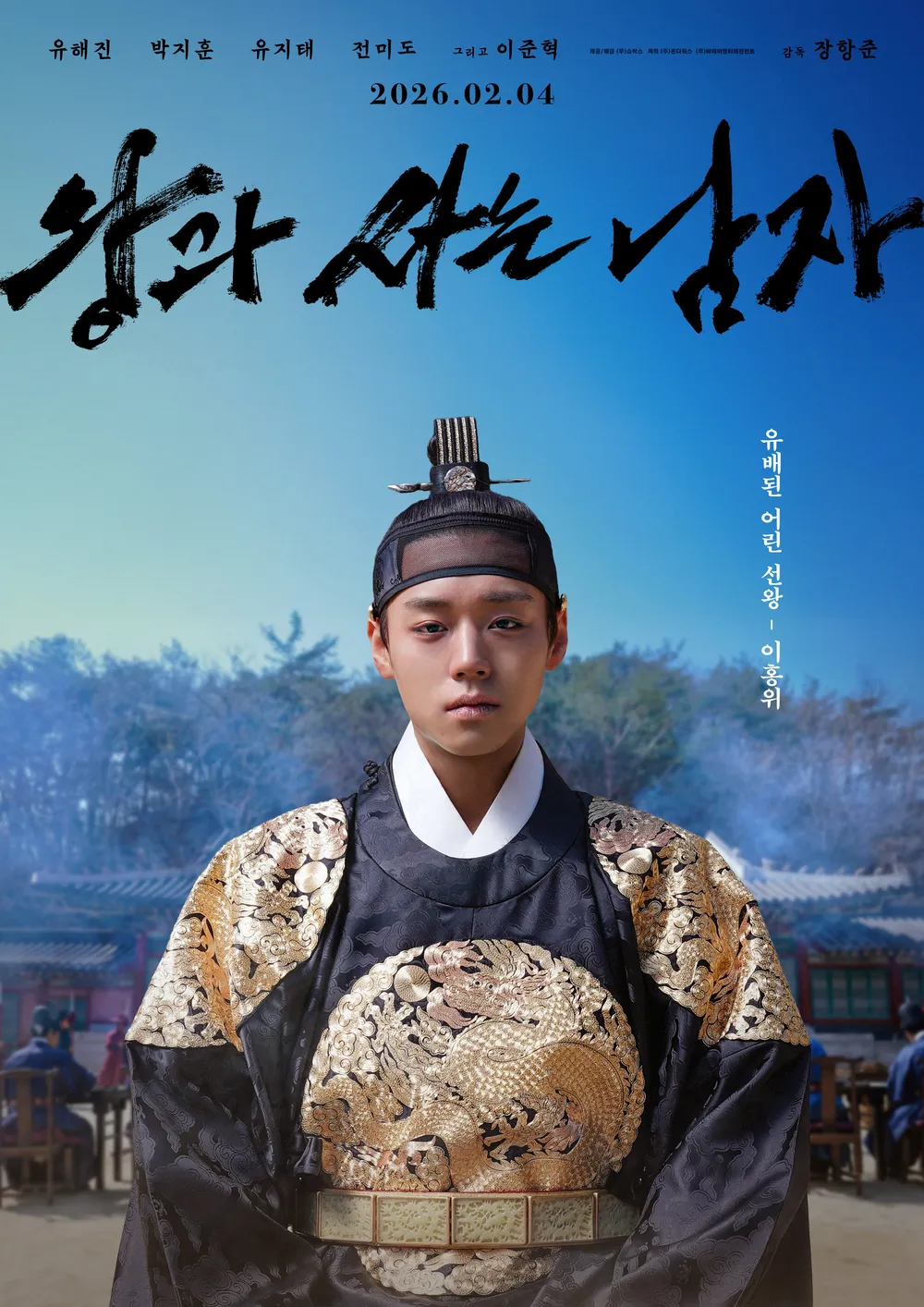
Park Ji Hoon (박지훈) as King Dan Jong / Lee Hong Ui
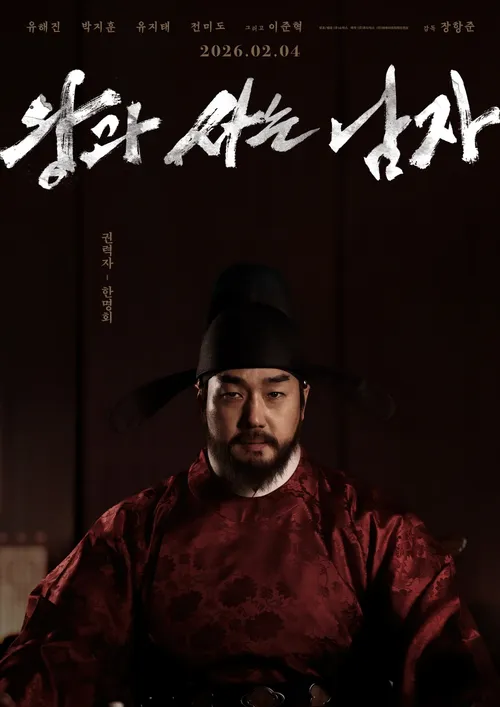
Yoo Ji Tae (유지태) as
Han Myeong Hoe
Chief Royal Secretary
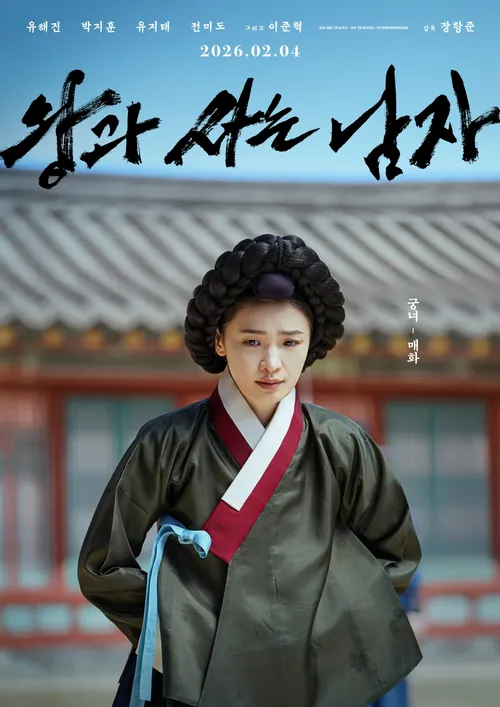
Jeon Mi Do (전미도) as Mae Hwa
The King’s court lady
Supporting Characters
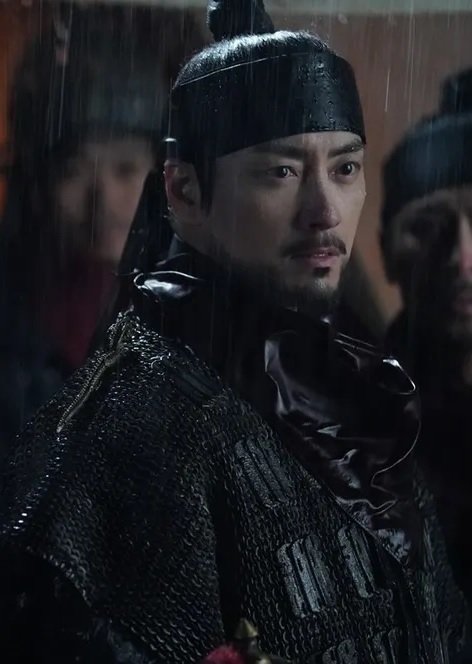
Grand Prince Geum Seong (Lee Jun Hyuk)
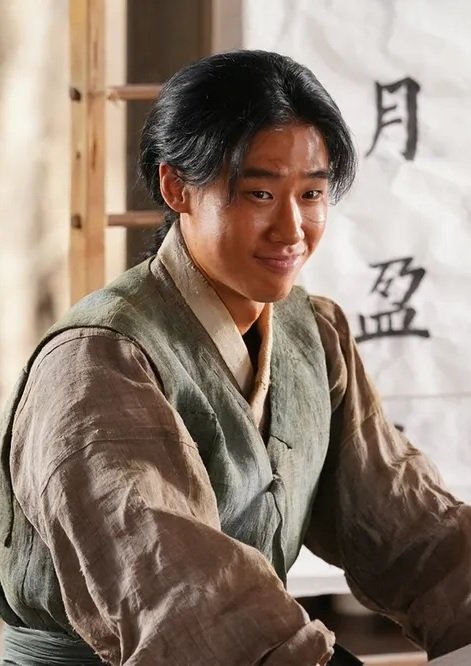
Um Tae San (Kim Min) – Um Heong Do’s son
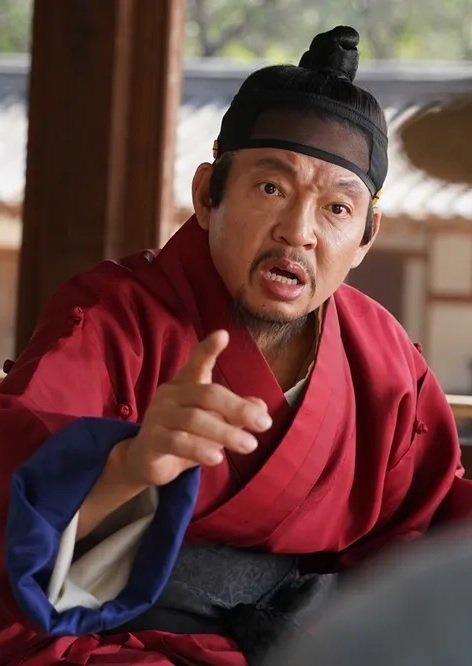
Eo Seo Gyeom (Park Ji Hwan) – Yeongwol County mayor
Review
Themes and Messages
Themes
The Power of Human Connection
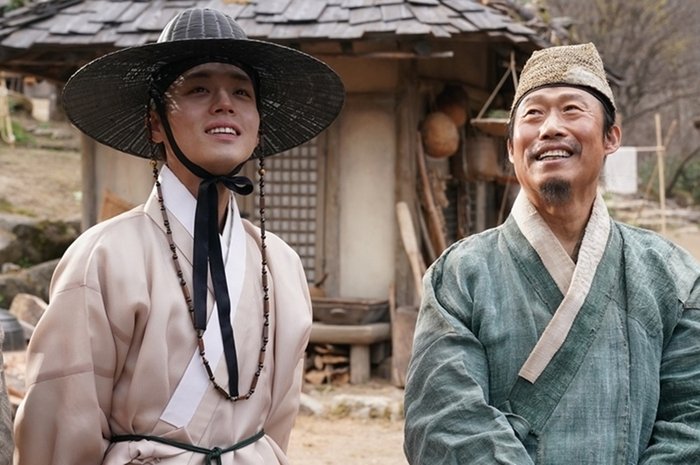
While the grand, bloody politics of the Joseon court attempt to erase the young king, the film highlights the warmth and compassion of ordinary villagers who rally to protect and comfort him.
The Cost of Political Ruthlessness
The narrative also examines the devastating human toll of military coups and political takeovers, focusing heavily on the victims—those who are crushed beneath the weight of ambition and unyielding state power.
Message
For me, the movie delivers a profound message that political ambition and greed can destroy lives, but loyalty, dignity, and human compassion can leave a lasting legacy even after tragedy.
Story and Plot
Story
The narrative of The King’s Warden centers on the downfall of a young dethroned king and the unexpected friendship he forms during exile. Although the film is a political genre, it focuses more on emotion and relationships, rather than palace politics or large-scale conflict. It feels more like watching a slice-of-life genre. The film takes a more intimate and emotional approach, exploring how ordinary human relationships survive within a cruel political system.
One of the film’s strongest narrative choices is the contrast between the royal palace and village life. The palace represents fear, betrayal, and ambition, while the remote village becomes a temporary refuge where the former king experiences humanity beyond royal status. This shift allows the story to move from political tragedy into a deeply personal character-driven drama.
Since the movie faithfully follows the historical fact, the ending doesn’t offer a heroic victory or revenge. King Danjong tragic ending concludes with sacrifice, grief, and emotional devastation. However, the final act emphasizes dignity and compassion in the face of inevitable tragedy, making the conclusion emotionally powerful rather than triumphant.
Plot
The pacing feels slow at times, especially during the quieter political and emotional scenes. It’s deliberately reflective, emphasizing emotional tension over action. Although I found that the slow pacing makes the plot seem draggy, it strengthens the tragic atmosphere and allows the emotional bond between the characters to develop naturally. The gradual relationship between the fallen king and his protector becomes the emotional core of the movie.
Characterization and Acting
Characterization
King Danjong
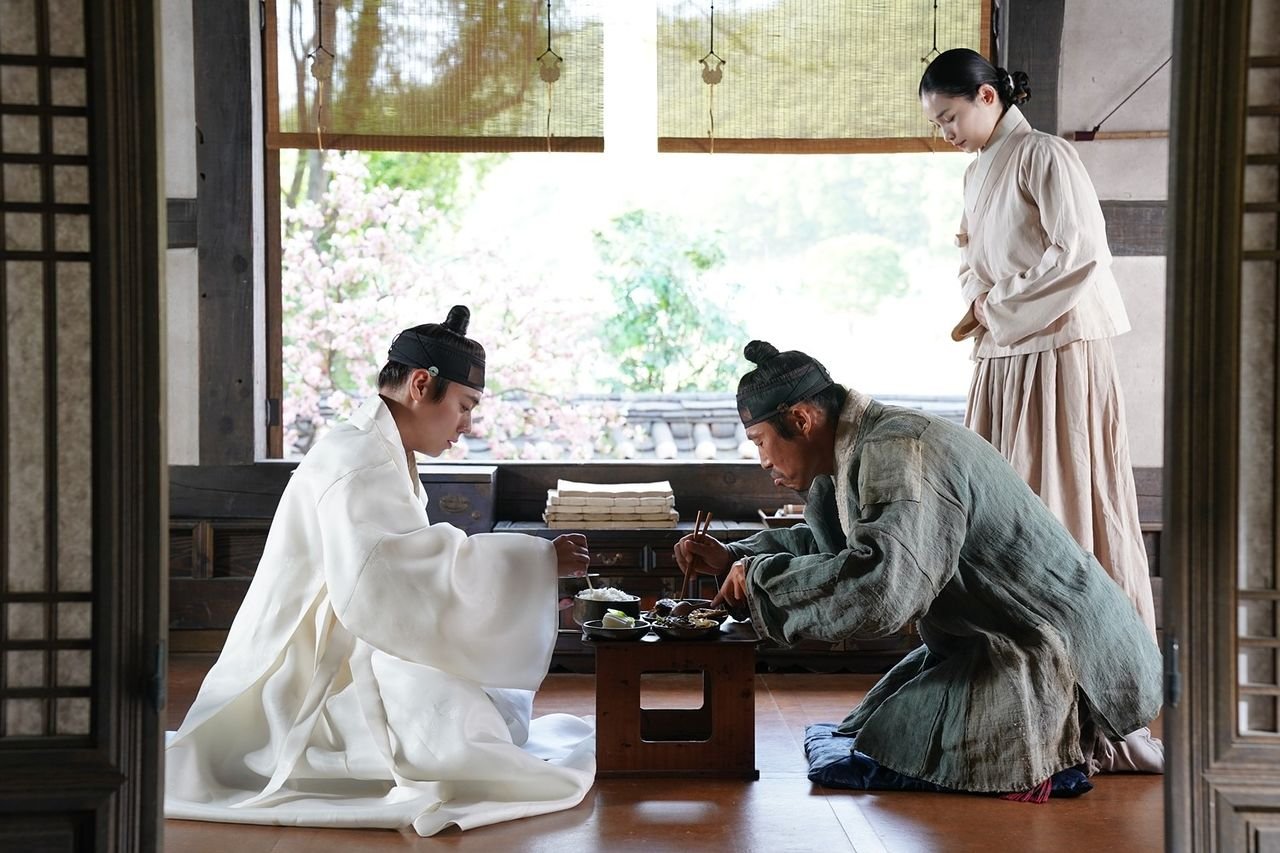
The young dethroned king is the emotional center of the film. At the beginning, he is broken by betrayal, isolation, and fear after losing both his throne and the people loyal to him. Despite being born into royalty, exile forces him to experience ordinary human life for the first time. As the story progresses, he becomes more emotionally open and compassionate through his bond with the villagers. However, his tragic fate shows that kindness and innocence cannot survive within a ruthless political system.
Um Heung Do (The Protector/Village Chief)
The village chief serves as the moral heart of the film. Unlike politicians and royal officials driven by fear or ambition, he acts out of humanity and loyalty. Initially cautious and overwhelmed by responsibility, he gradually develops a fatherly relationship with the young king.
The Supporters
Mae Hwa represents loyalty and grief. Her devotion to the fallen king highlights the emotional devastation caused by political tragedy. The villagers provide warmth and emotional balance to the story. Through them, the former king experiences normal life outside palace walls. Their presence reinforces the film’s themes of humanity, community, and emotional connection. Unfortunately, some supporting characters are underdeveloped and do not receive enough screen time to leave a strong impact.
The Villains/Political Authorities
In The King’s Warden, the usurper uncle King Sejo is not shown onscreen because the film intentionally focuses entirely on the exile, struggle, and emotional inner life of the deposed King Danjong rather than the political coup itself.
The ruling powers, in the form of Han Myeong Hoe and others, represent fear and paranoia disguised as political stability. Even after taking the throne, they remain obsessed with eliminating the former king, revealing how insecure and destructive power can become.
Acting
The performances in The King’s Warden are one of the film’s strongest elements, carrying much of the emotional weight of the story through restrained yet powerful acting.
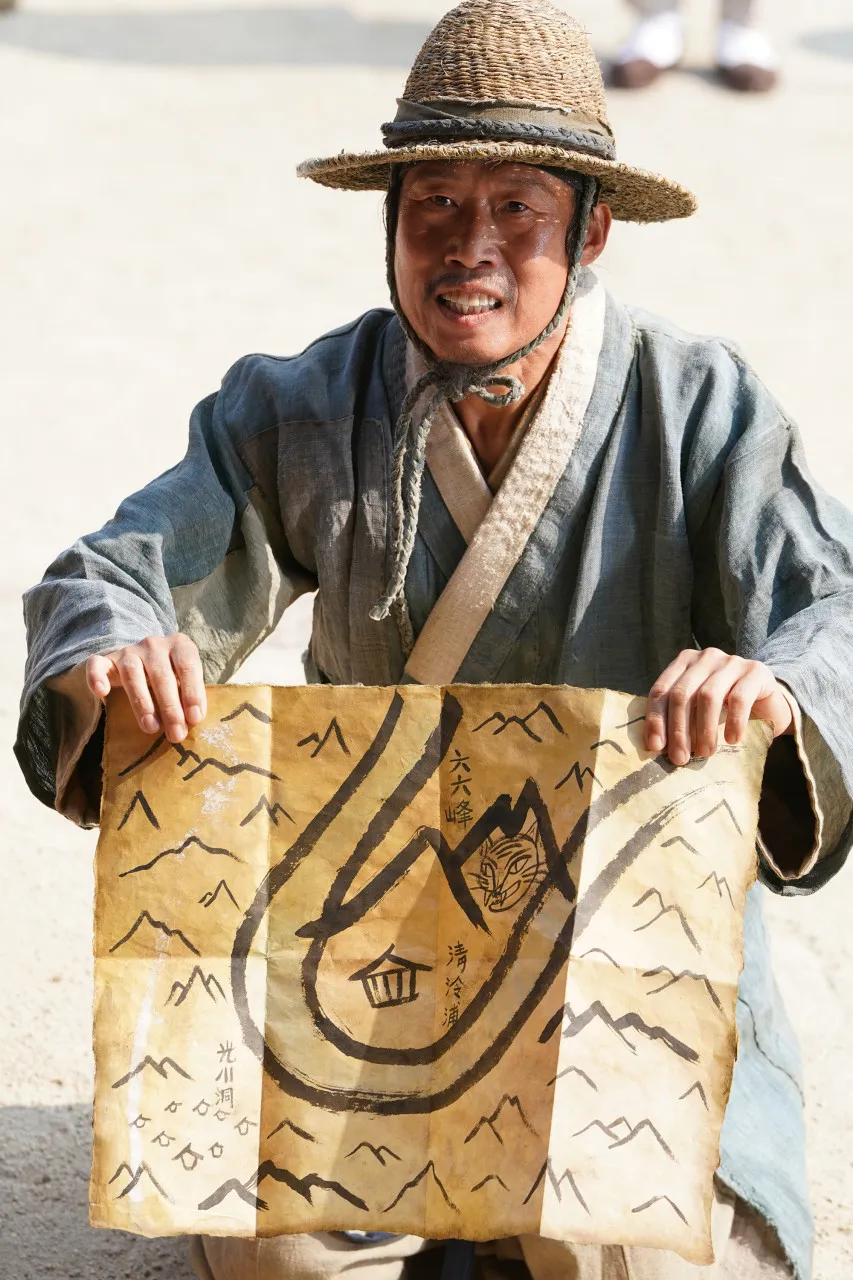
Yoo Hae Jin
Yoo Hae Jin delivers a deeply human and emotionally grounded performance as the village chief protecting the fallen king. Rather than portraying Um Heung Do as a heroic figure, the actor emphasizes his quiet compassion, fear, and moral conflict. His subtle facial expressions and restrained emotions make the character feel authentic and relatable, especially during the film’s tragic final act.
Park Ji Hoon
Park Ji Hoon gives one of the most emotionally vulnerable performances in the film. He effectively captures the transformation of a young king who moves from fear and despair to brief emotional warmth before ultimately facing tragedy. His portrayal balances royal dignity with childlike loneliness, making the character’s suffering feel heartbreaking rather than theatrical.
The emotional chemistry between Yoo Hae Jin and Park Ji Hoon is the heart of the film. Their relationship evolves naturally from awkward responsibility into genuine affection and trust. This connection is what gives the final scenes their devastating emotional impact.
Yoo Ji Tae and other cast
Yoo Ji Tae brings a cold and intimidating presence to the political side of the story, representing the ruthless nature of power and authority. Meanwhile, Jeon Mi Do and the villager supporting cast help create the emotional atmosphere of the village, making the world feel lived-in and emotionally believable.
Visuals
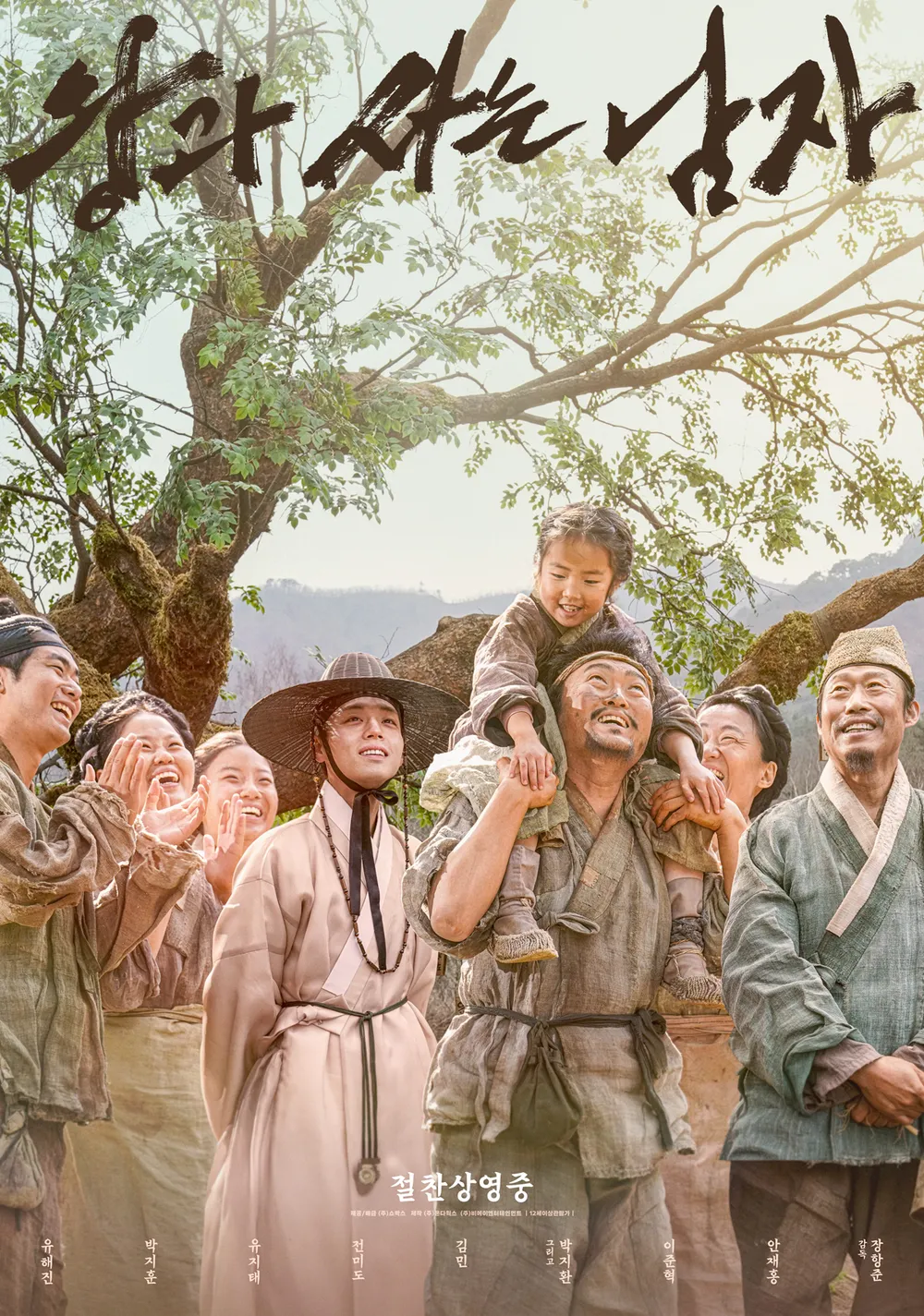
The film’s visuals play a major role in its emotional impact. Even during quiet scenes, the cinematography, costumes, and carefully designed settings help tell the story as powerfully as the dialogue itself.
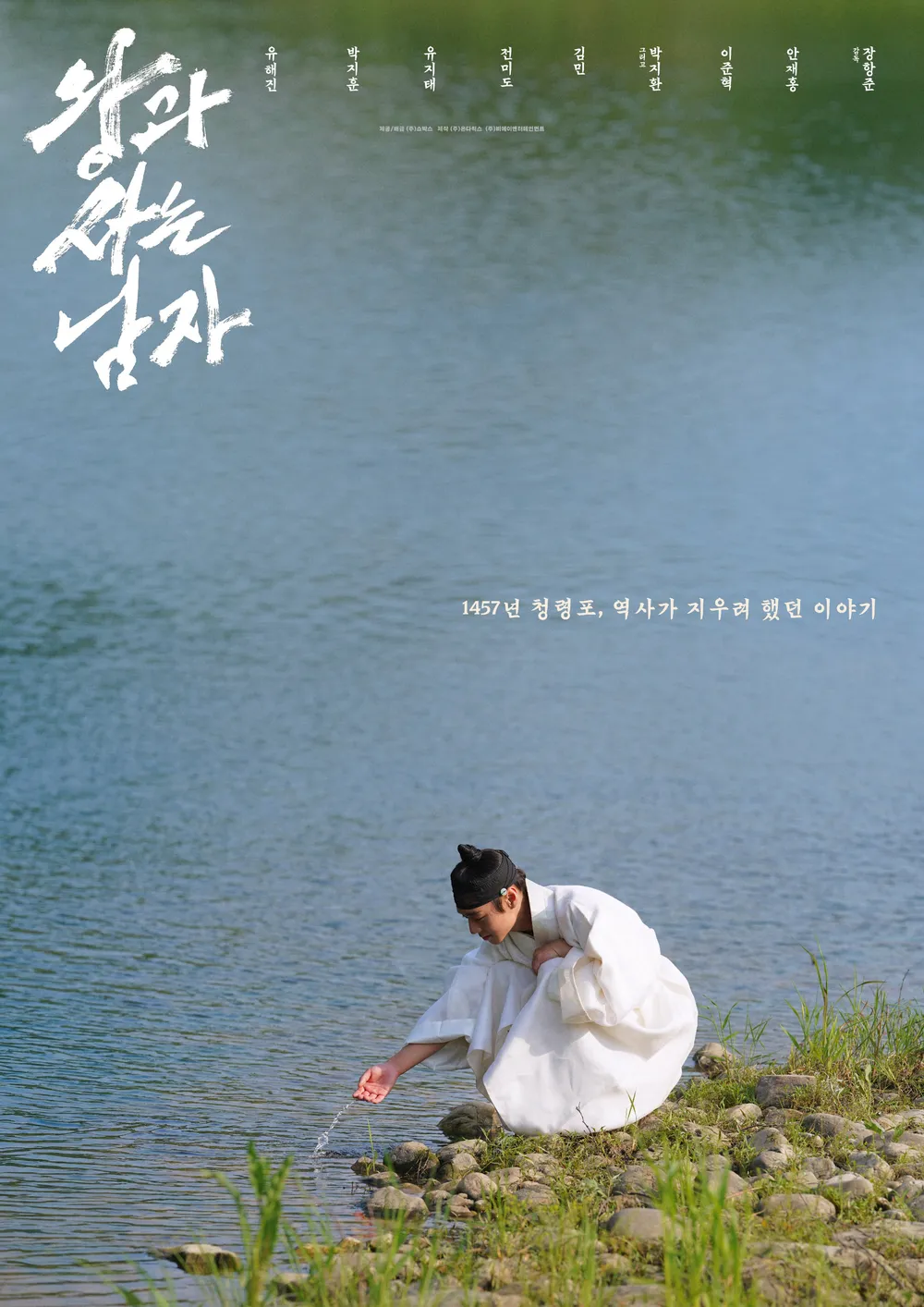
The visual features breathtaking shots of the actual real-life exile locations, including the Cheongnyeongpo meandering stream and Gwanpungheon Hall. The cinematography utilizes natural lighting to highlight the seasonal transitions in the mountainous Gangwon Province, giving it a lush, almost lyrical visual beauty.
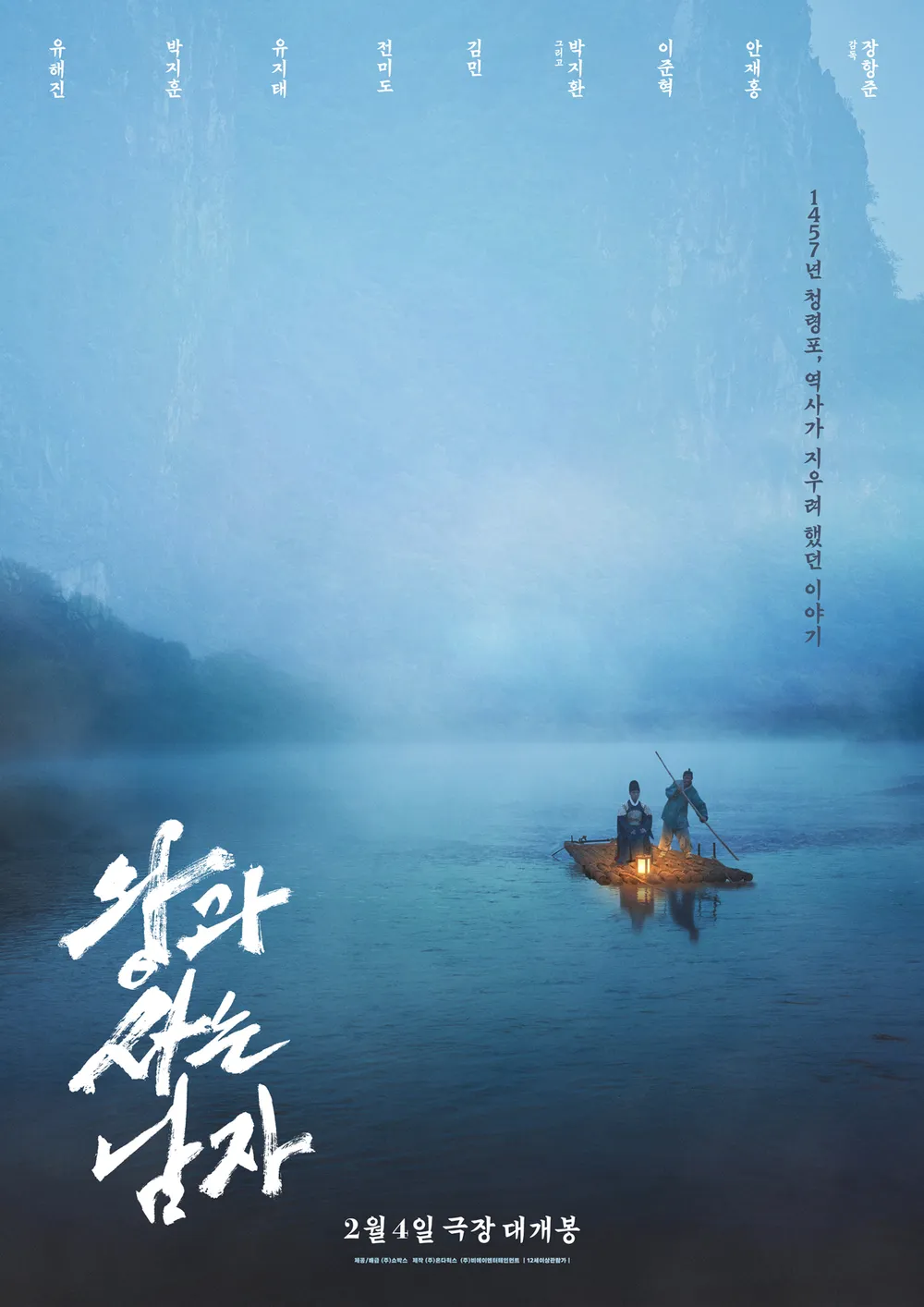
Instead of sweeping, grand battle sequences typical of historical movies, the cinematography is character-driven. The camera often lingers on stillness and micro-expressions to focus on intimate, emotional close-ups.
The makeup director is the veteran Song Jong Hee. The technical crew focused on transforming the actors to maximize on-screen immersion. Small shifts in the actors’ faces, sweat, and weathered skin visually reflect the physical and emotional weight of history.
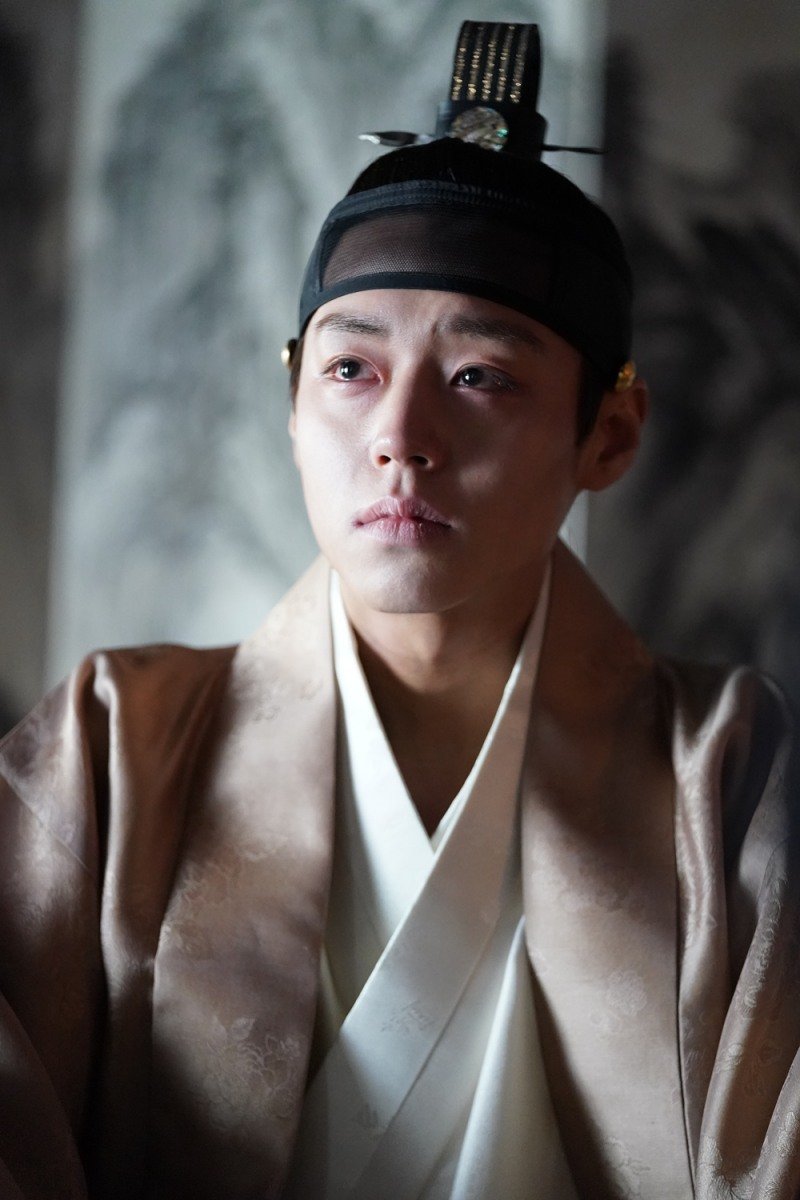
The period costumes feel incredibly grounded. The royal garments, officials’ attire, and villagers’ clothing all feel authentic and detailed, helping immerse viewers in the historical setting.
From the royal palace to the remote mountain village, the sets are carefully crafted and visually immersive. The contrast between the cold, oppressive palace and the warm simplicity of village life strengthens the film’s emotional themes.
My only criticism of the visuals is the CGI. There is a particular scene with a tiger attacking the villagers. The tiger CGI looks fake.
My Rating
I used my rating system with additional scores of:
+1.0 for the story
+1.0 for characterization and acting.
+1.0 for the visualization
Total rating 9.0/10.
Conclusion
In the end, The King’s Warden is a deeply emotional historical K-drama that combines tragedy, humanity, and political tension into a powerful cinematic experience. For me, even with the limitations of machine-translated subtitles, the film’s themes of friendship, dignity, sacrifice, and loyalty still resonate strongly. Supported by compelling performances and beautiful cinematography, The King’s Warden ultimately leaves a lasting impression about friendship and dignity crushed beneath the pursuit of power.
“Sir, it’s cold, isn’t it? Let’s go somewhere warm. Let’s go.”