Introduction
What if the ability to deceive becomes both a weapon and a form of survival?
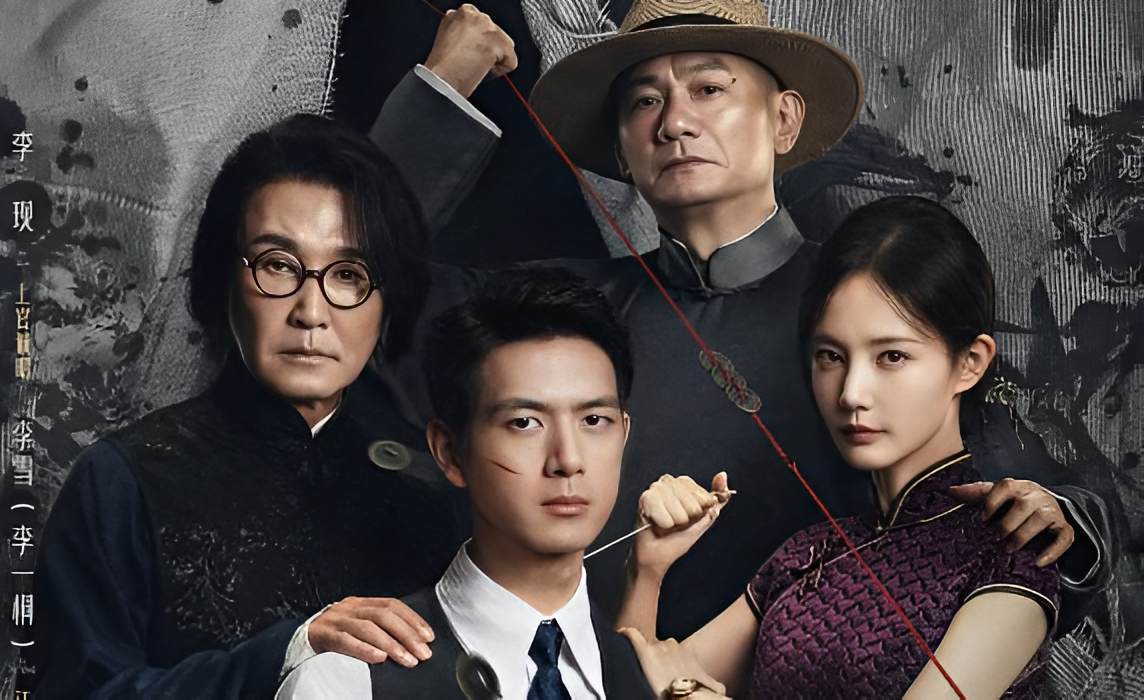
A Prophet is a Chinese drama that draws the viewer into a world where appearances are rarely what they seem. Behind fortune-telling, mysterious identities, carefully calculated schemes, and seemingly innocent encounters lies a dangerous game of manipulation and mistrust. In this world, knowing how to read people can be just as important as knowing how to deceive them.
Drama Info
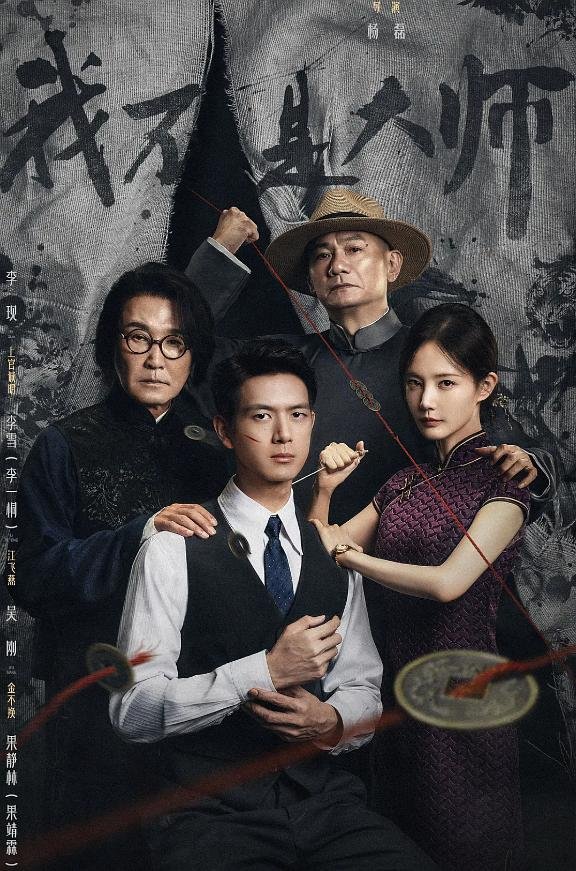
Drama title: A Prophet (Native title: 我不是大师)
Alternative title: Wo Bu Shi Da Shi
Genres: Thriller, Historical (Republican Era), Drama
Aired: 24 Sep, 2026 - 4 Oct, 2026
Episodes: 24 | Duration: 45 min.
Director: Yang Lei (杨磊)
Screenwriter: Yang Zhe (杨哲)

Where to watch: WeTV or iQiyi
Trailer
OSTs
Below is the official MV for the main/ending theme 越海 (“Crossing the Sea”) sung by Liu Yu Ning (刘宇宁). The YouTube English-subbed full playlist by Peachey Blossom.
Synopsis
A mysterious sect manipulates fate to scam the innocent. When revenge driven Shangguan Chengming crosses paths with his enemy Jiang Feiyan again, he sets a trap, using deception against deceivers. But as schemes collide and twists unfold, the game grows more dangerous, who will outsmart whom in the end? (Source: WeTV)
Characters
Main Characters
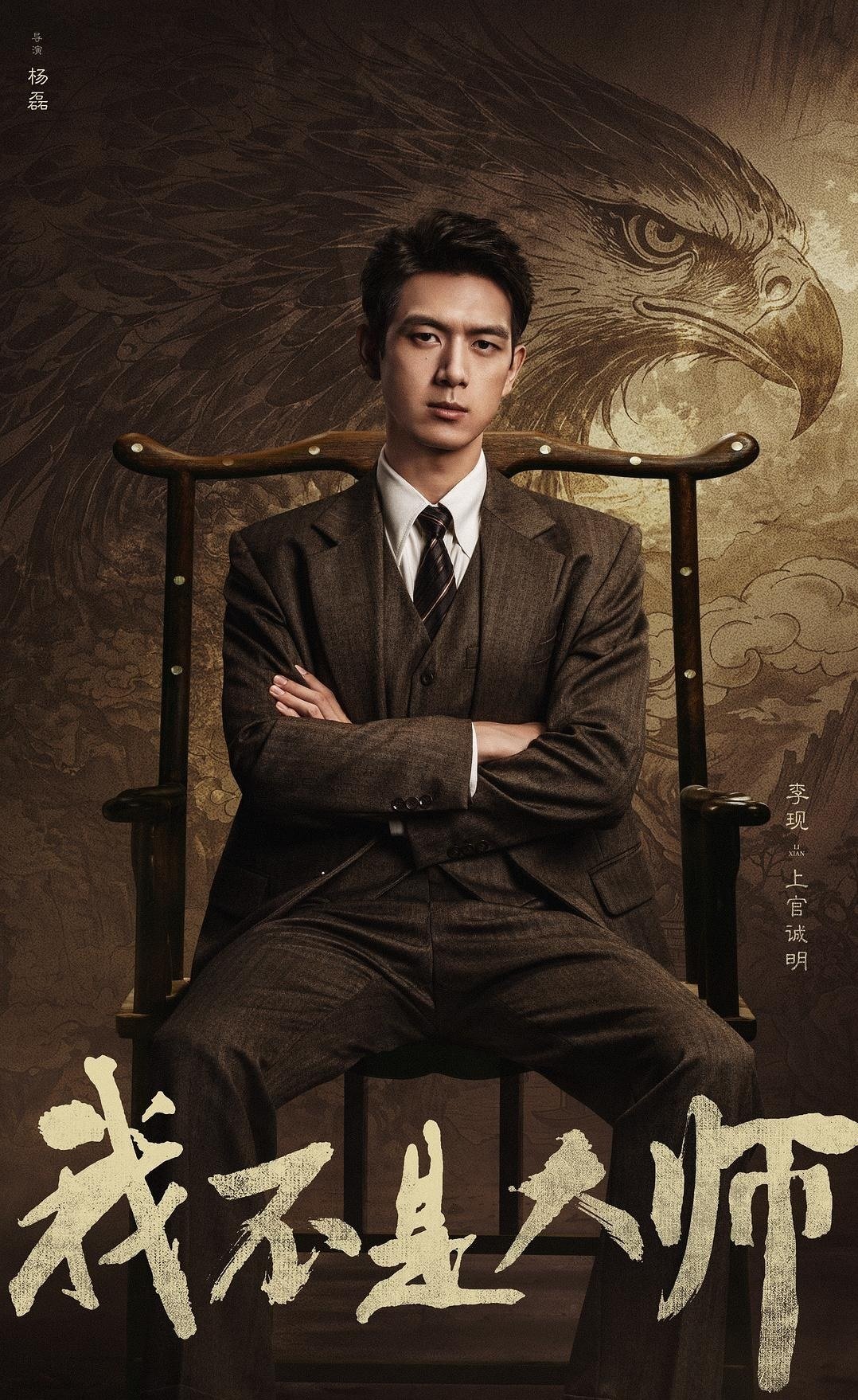
Li Xian (李现) as Shangguan Cheng Ming / Wang Jia Xian
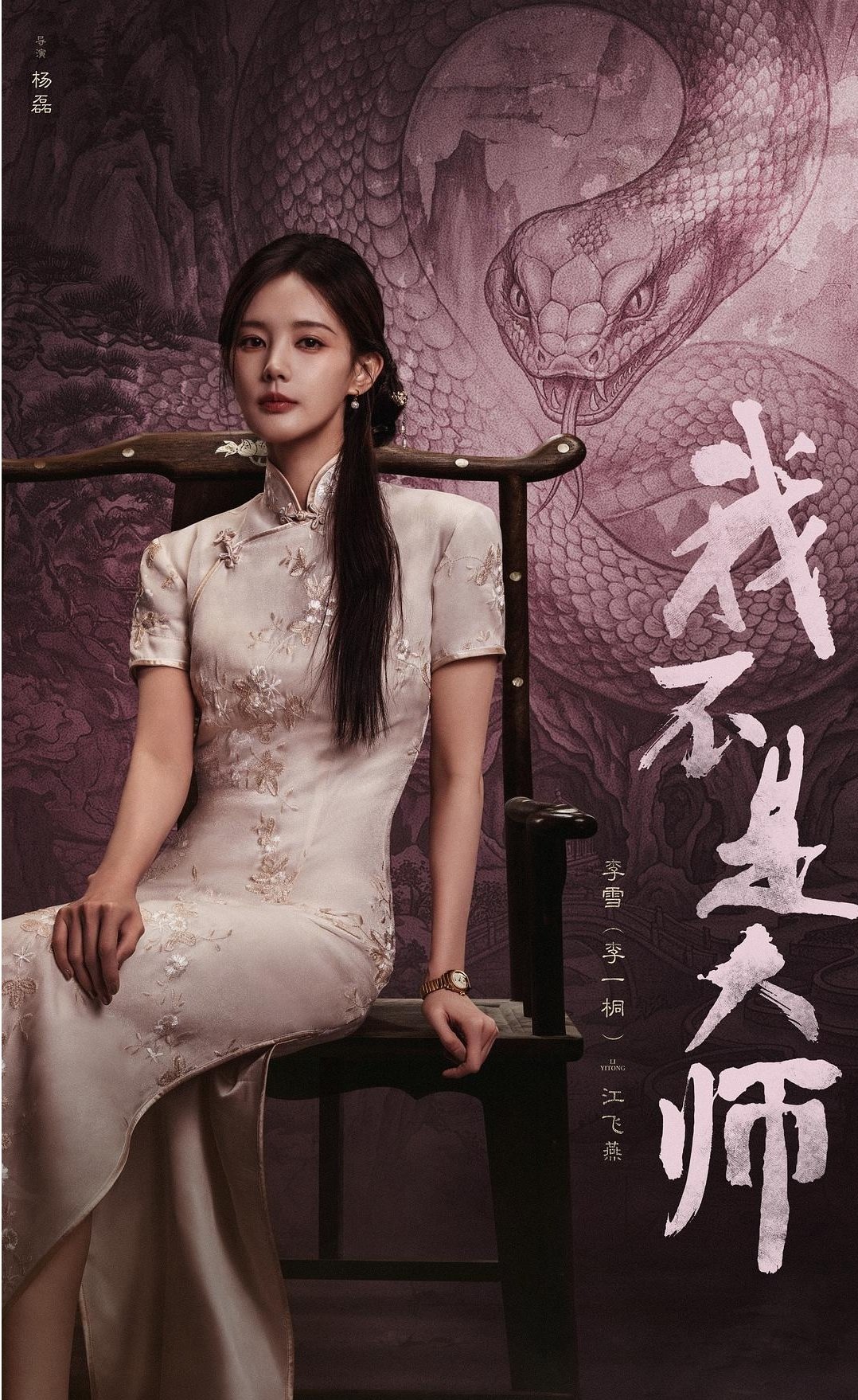
Li Yi Tong (李一桐) as Jiang Fei Yan
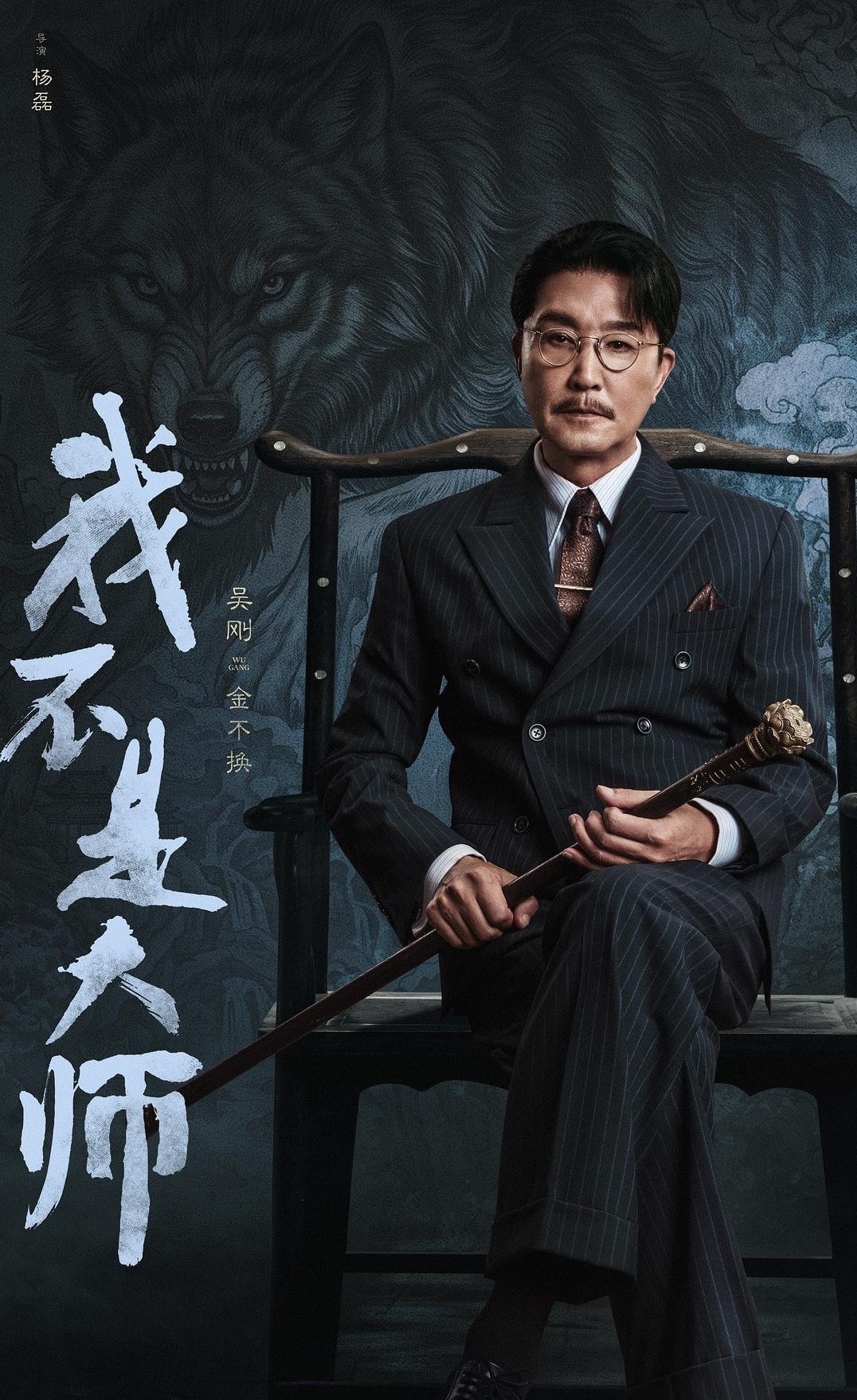
Wu Gang (吴刚) as Jin Bu Huan / Zhang Dan Cheng
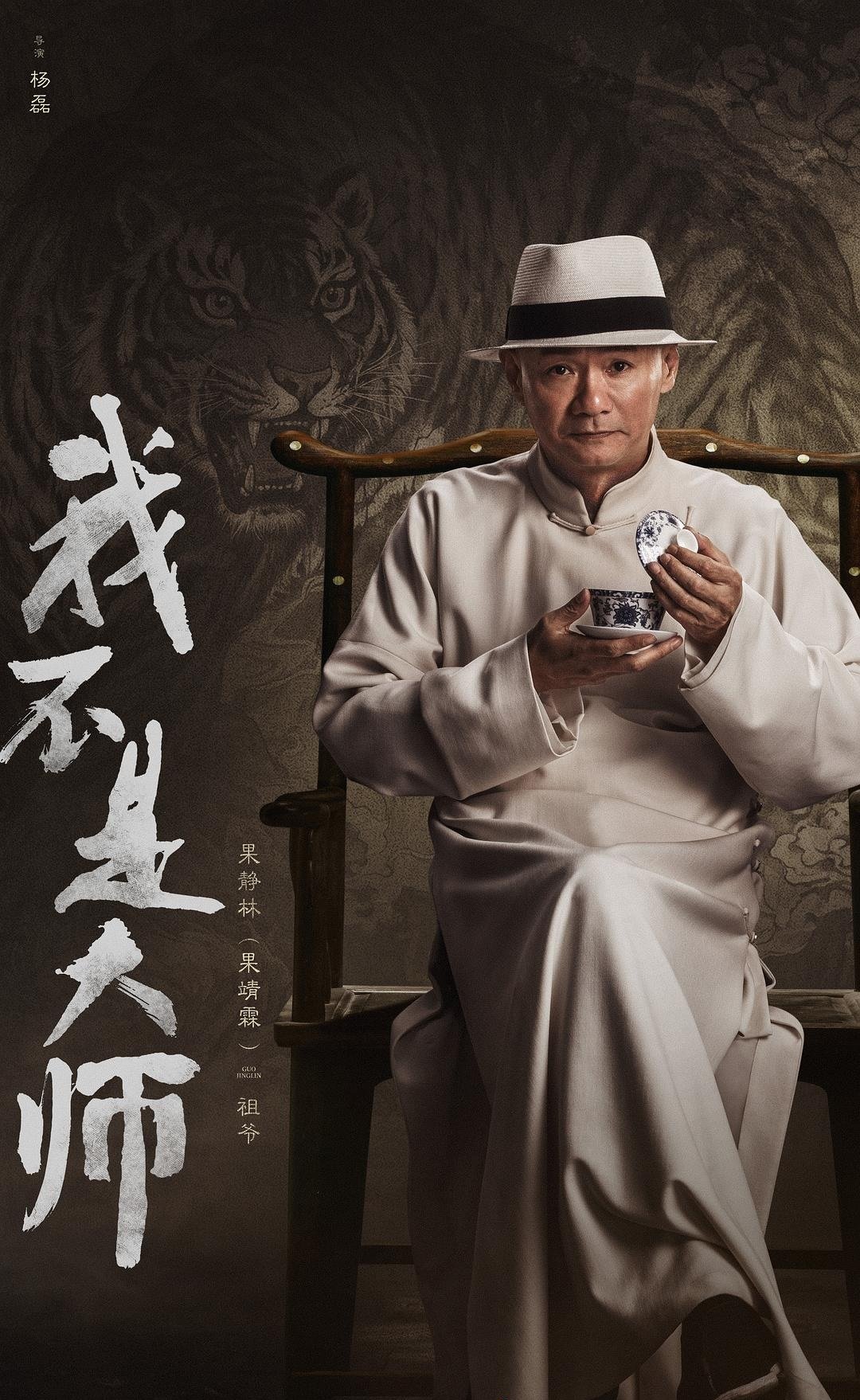
Guo Jing Lin (果靖霖) as “Grandfather” / Zhou Xing Si
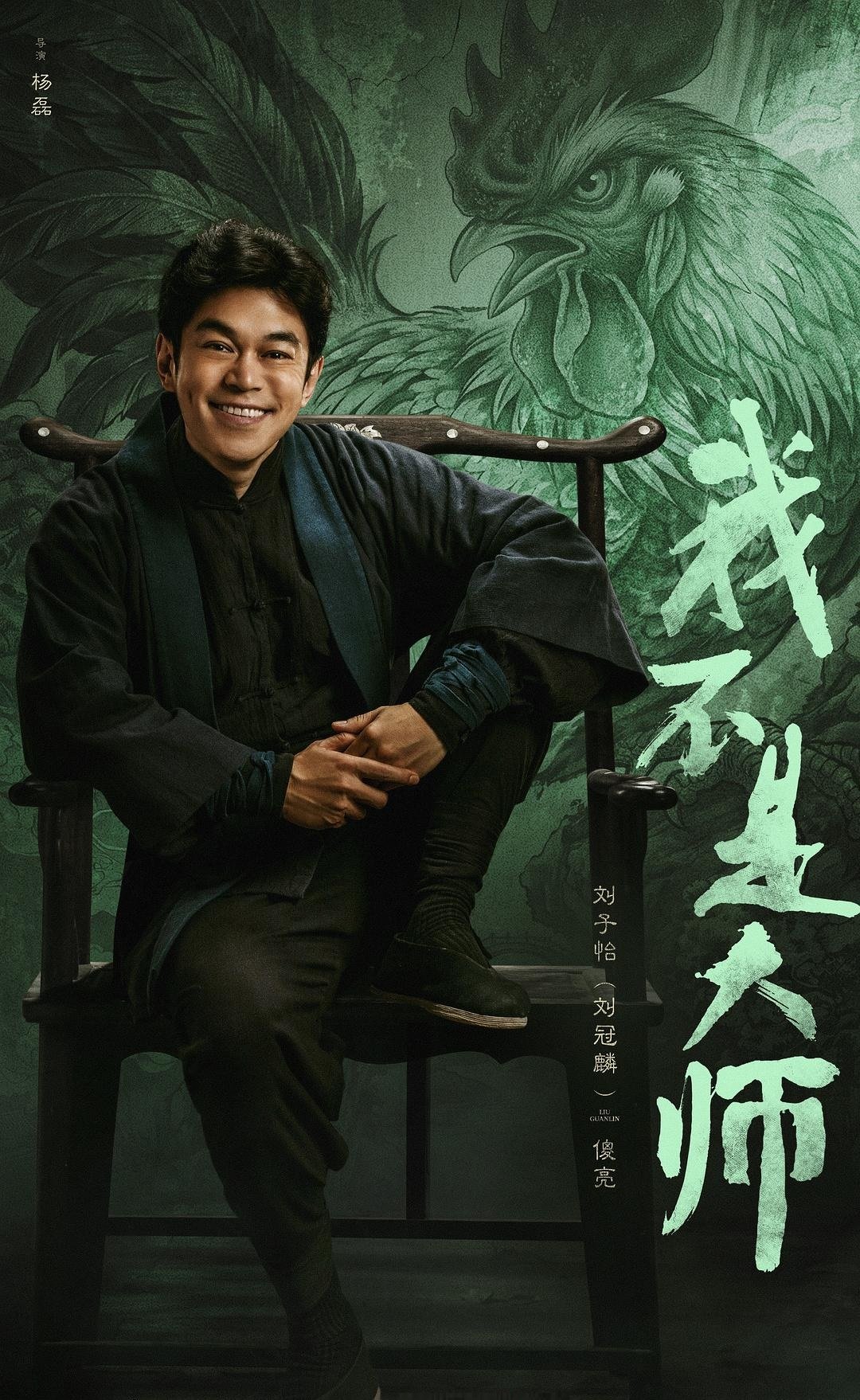
Liu Guan Lin (刘冠麟) as Sha Liang
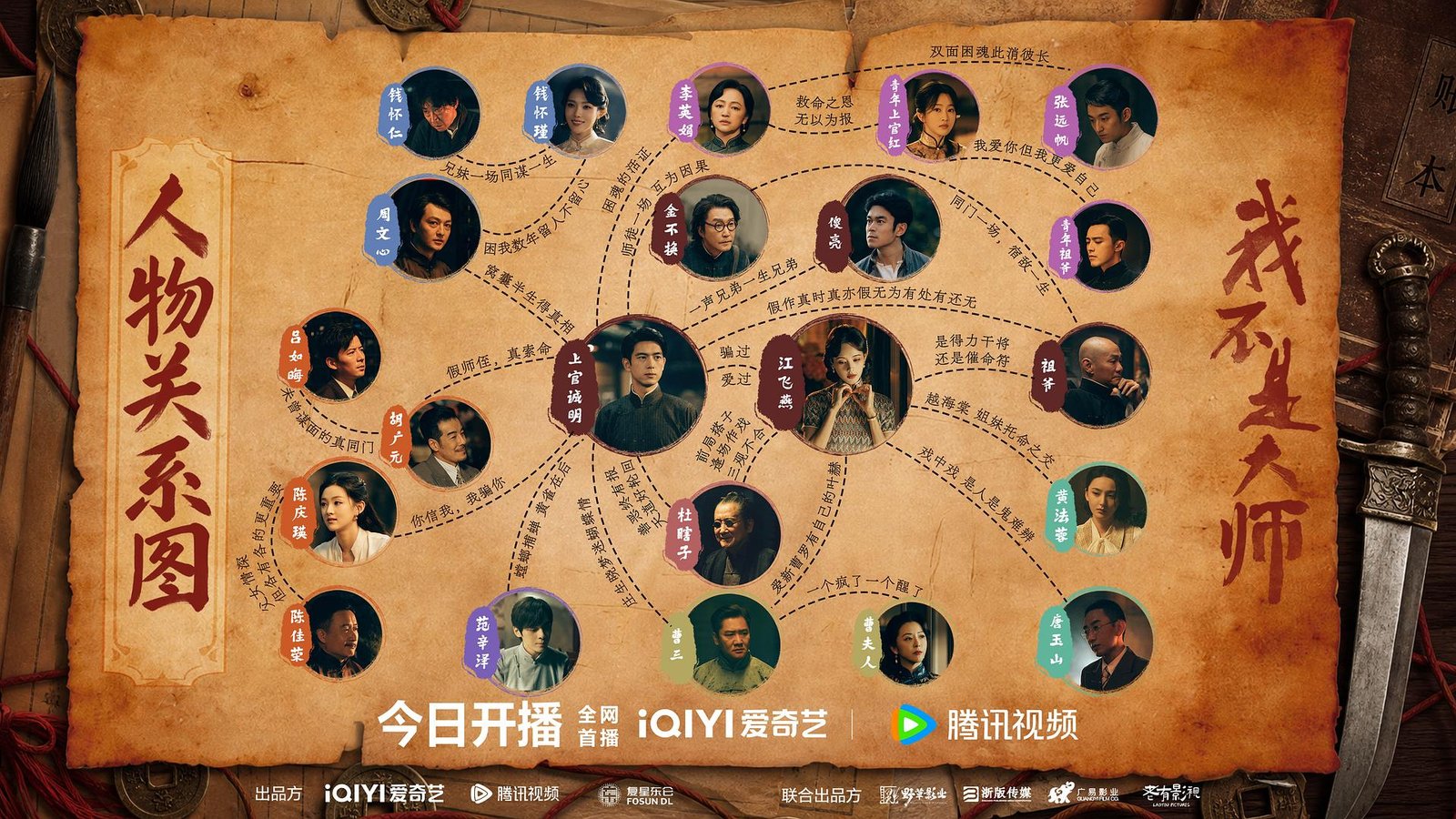
Relationship Chart
The characters other than the main characters as depicted in the Relationship Chart are actually guest characters who only show up in each scamming case. Therefore, I won’t introduce them.
Review
Story and Plot
Story
The story takes us into a world where fortune-telling and superstition can be powerful tools for manipulating people. Some characters use people’s fears and hopes to make money, gain influence, or control them. Others use deception because they have their own reasons for hiding the truth.
And that’s where the drama becomes fun.
There are schemes within schemes, hidden motives, and characters who aren’t always what they first appear to be. When I was watching it, sometimes I found myself wondering whether a character was genuinely helping someone or simply setting up the next move in a much bigger plan.
I was surprised that there is only one screenwriter for this drama, Yang Zhe, who has written scripts for many mystery dramas. Having just one person write the script, you get a clear plot, consistent tone and voice, and smoother pacing.
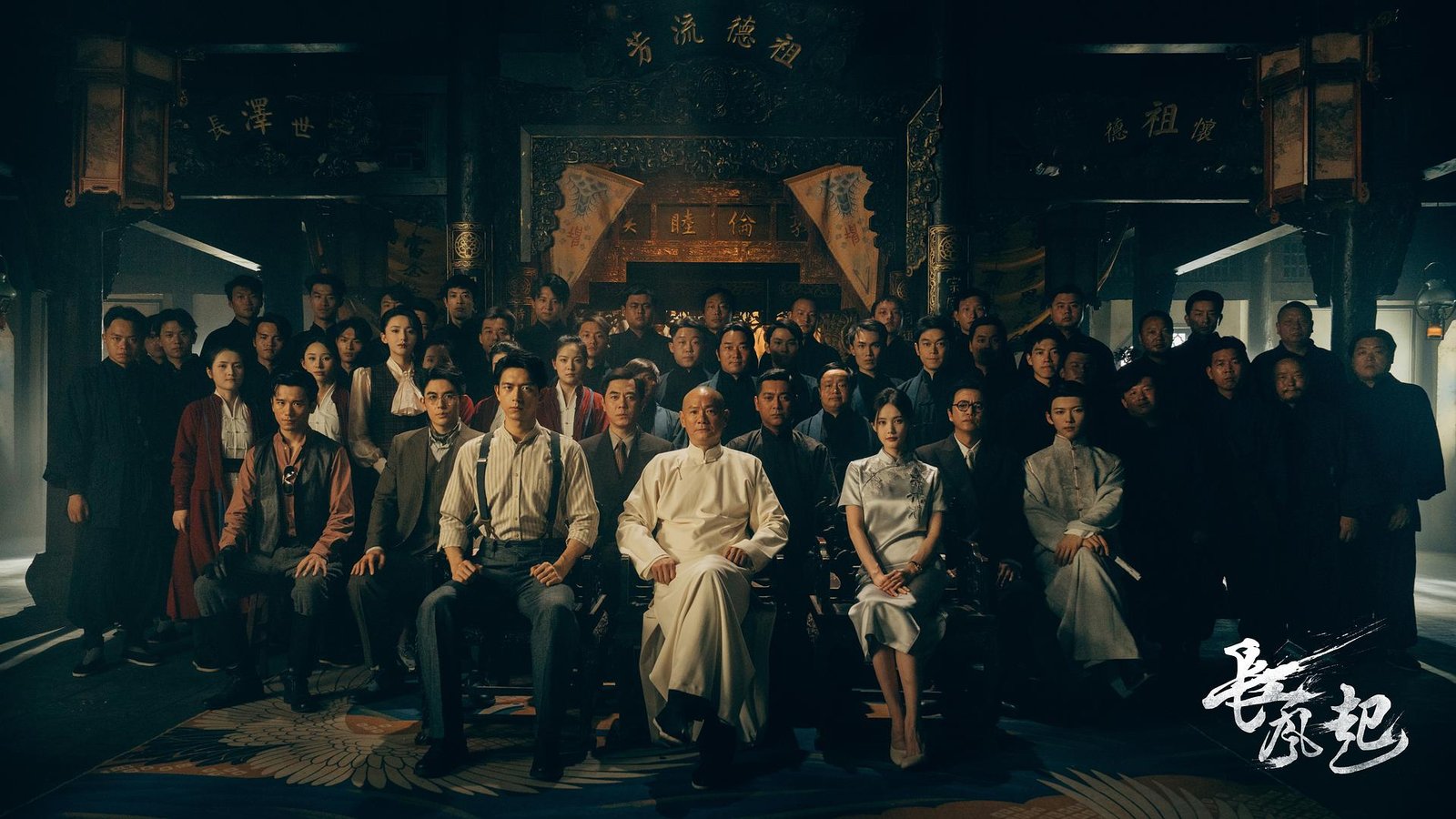
Tianxiang Sect
Plot
There are two types of plot in this drama:
The Slow Burn Revenge
The “slow burn” description fits the revenge theme perfectly. Shangguan Chengming doesn’t immediately become a powerful avenger. The show dedicates a massive amount of time to the long, painful process of his psychological transformation.
Unlike faster-paced revenge dramas where a protagonist gets immediate payback, Chengming has to completely break down his old identity as a pampered, carefree young master. He spends years under the tutelage of Jin Bu Huan to master the Tianxiang Sect’s secrets. He isn’t learning martial arts; he is learning cognitive psychology, sleight of hand, cold reading, and how to exploit human greed.
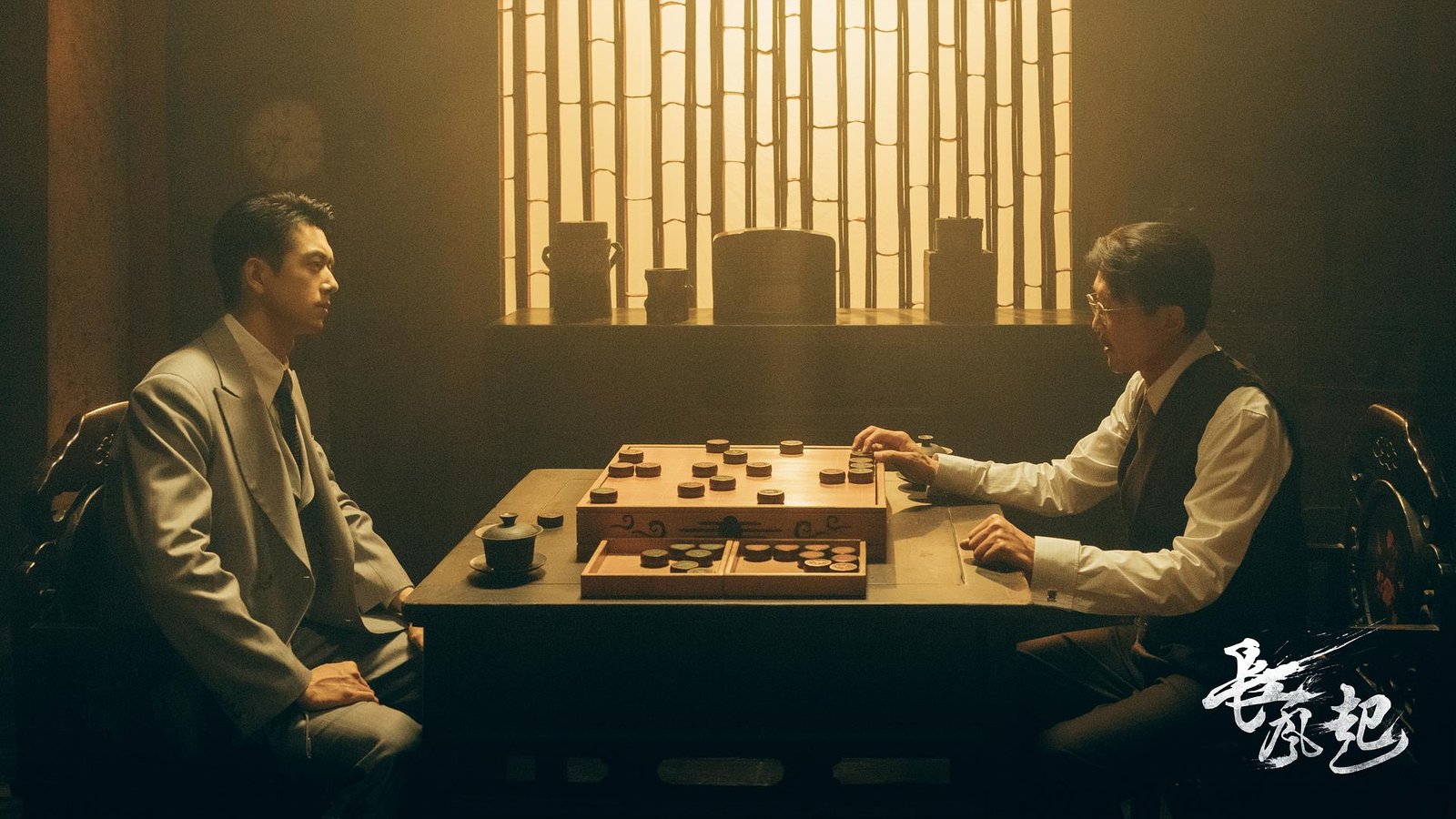
Master-disciple session
The Con of the Week
Luckily, while waiting for Chengming’s avenging his family, this show utilizes a modular and faster-paced “Con-Artist Mission” structure every few episodes. During those missions, Chengming works his way from the bottom up, dismantling lower branches of the Sect before he can even get close to the core mastermind who ruined his life.
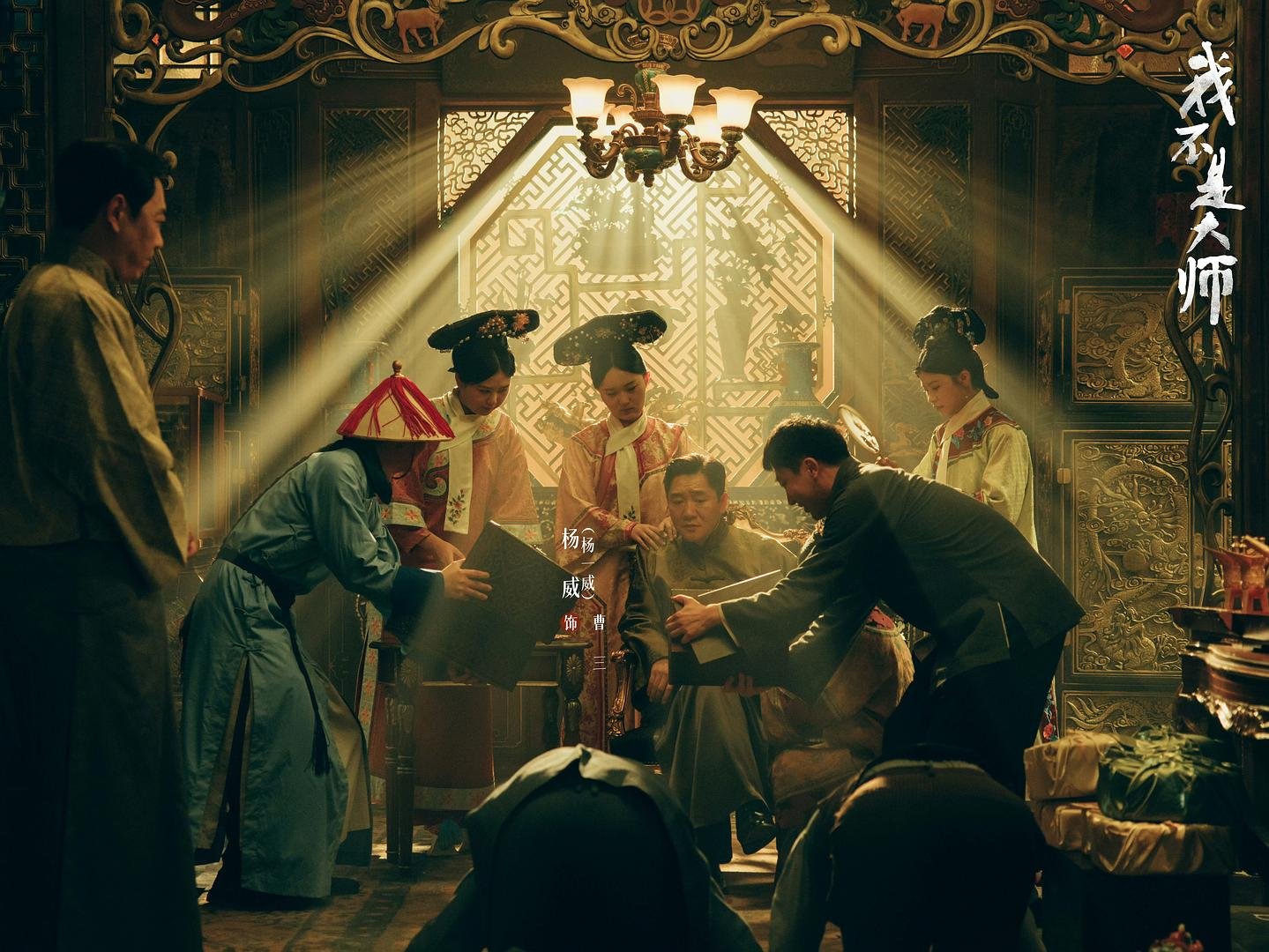
An elaborate scam
NO ROMANCE
If you are looking for a standard romance, A Prophet will absolutely disappoint you. This is not a romance drama.
While Shangguan Chengming and Jiang Feiyan start as newlyweds, the narrative instantly destroys that dynamic. Instead of traditional romance, their relationship functions strictly as a narrative tool to drive the psychological thriller element. It plays out across a few distinct, non-romantic dynamics.
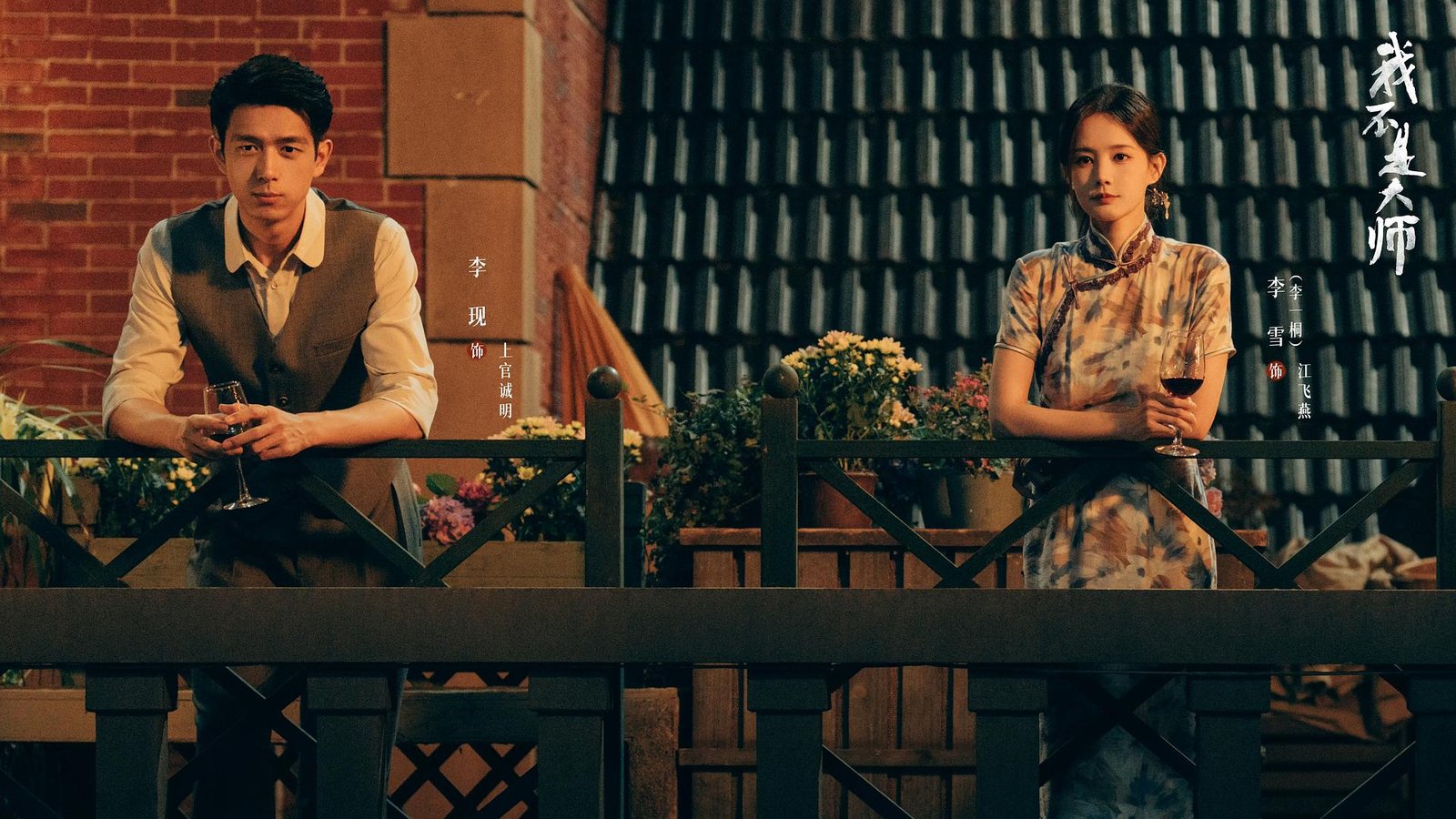
Rooftop meetings
Characterization and Acting
Li Xian as Wang Jia Xian / Shangguan Cheng Ming
Shangguan Chengming real identity is Wang Jiaxian. Wang Jiaxian must pull off a double-layered disguise. He isn’t just a con artist pretending to be an ordinary person; he is a deeply traumatized survivor who must effortlessly step into the skin of a wealthy, carefree young master, Shangguan Chengming, to bypass a hyper-vigilant enemy. He must completely bury his true personality under layers of charisma, forced naivety, and later, cold calculation.
I rarely watched Li Xian, but I highly praise Li Xian of his seamless acting while playing two different characters. Instead of relying on dramatic, theatrical outbursts during heavy emotional moments, Li Xian favors an understated, internal approach. In high-stakes confrontation scenes—such as the revelation of his master’s involvement in his family’s demise. Li Xian balances restraint with micro-expressions, perfectly capturing the heavy weariness of a man driven purely by a decades-long pursuit of justice.
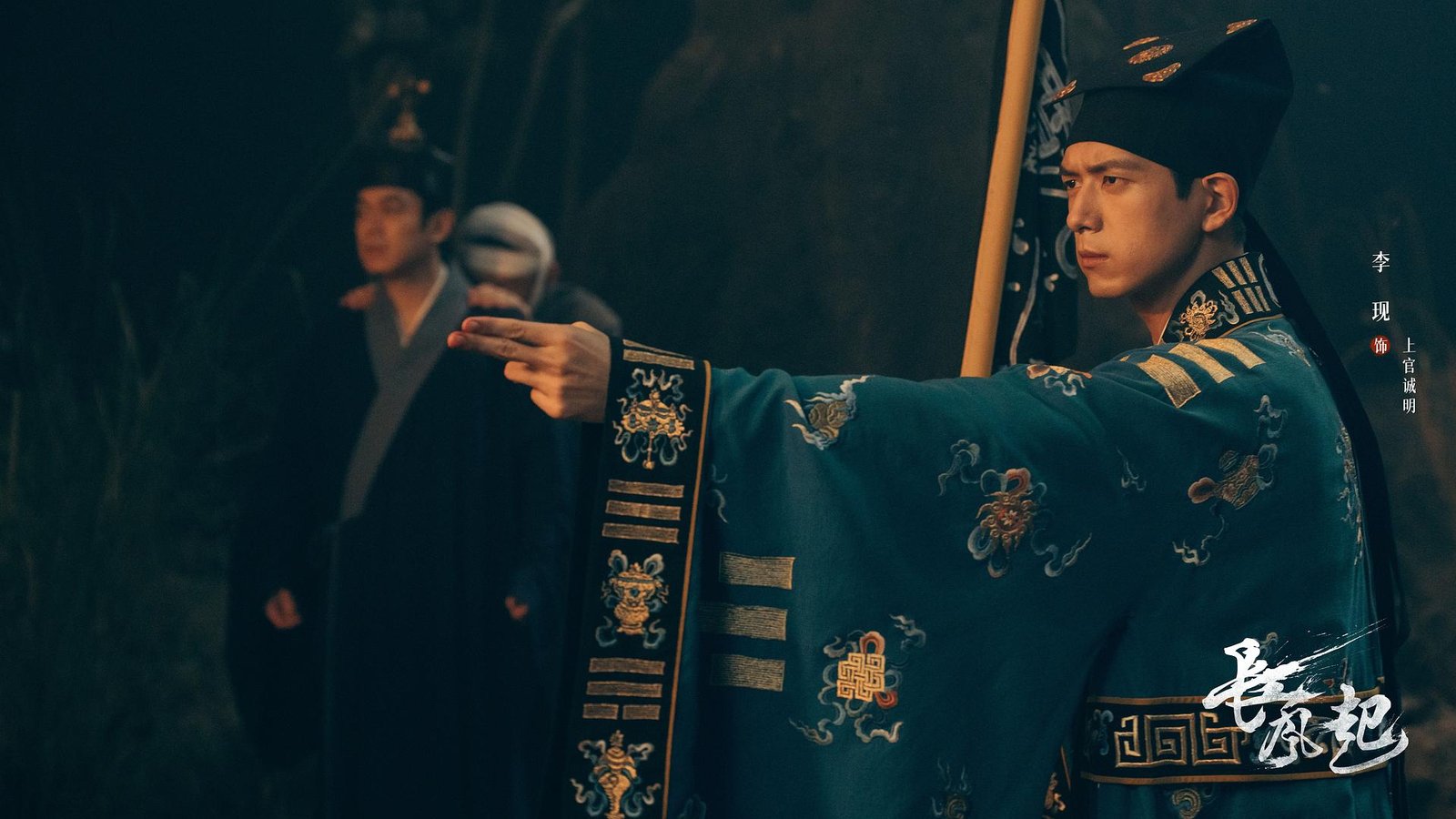
The fortune-teller
Li Yi Tong as Jiang Fei Yan
Far from a typical Chinese drama Female Lead, Jiang Feiyan is one of the most layered characters in A Prophet. She embodies the gritty resilience of someone who has spent her whole life in the quagmire of the criminal underworld. She is sharp and lethal, yet emotionally broken, constantly torn between her deep capacity for genuine affection and her absolute survival instinct.
Known for playing lots of cutesy and naive Female Leads, Li Yitong delivers a performance that is a career-defining triumph. In one of the show’s most intense high-contrast sequences, her character experiences an emotional breakdown during a rainy night. Without using stunt doubles or camera tricks, Li Yitong delivered 20 authentic slaps, leaving her hand numb and her face visibly swollen by the end of the shoot. The production crew noted her striking ability to split her performance in a single camera shot—masking an icy, menacing smile on one side of her face while maintaining an air of profound, weeping vulnerability on the other. (Source: Sina Entertainment)
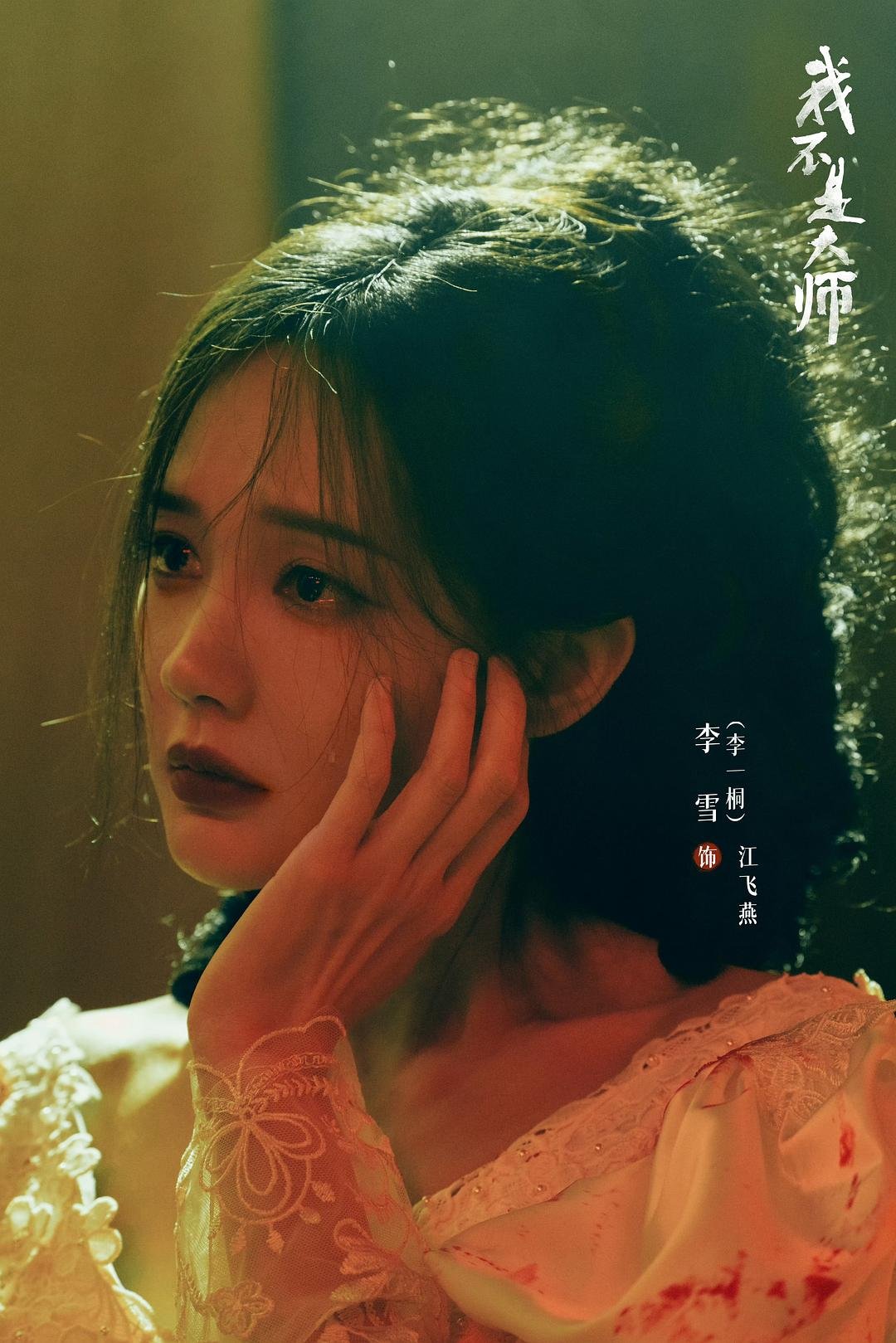
The “possessed”
Wu Gang as Jin Bu Huan
As the veteran and former member of the Tianxiang sect Jin Bu Han, Wu Gang infuses his character with an intense, calculated grandfatherly charm that feels profoundly dangerous. Jin Bu Han’s relationship with Li Xian’s character forms the intellectual spine of the narrative. He doesn’t play a one-dimensional evil mentor; rather, he portrays a twisted chess player who genuinely respects his student’s intellect while relentlessly testing his boundaries.
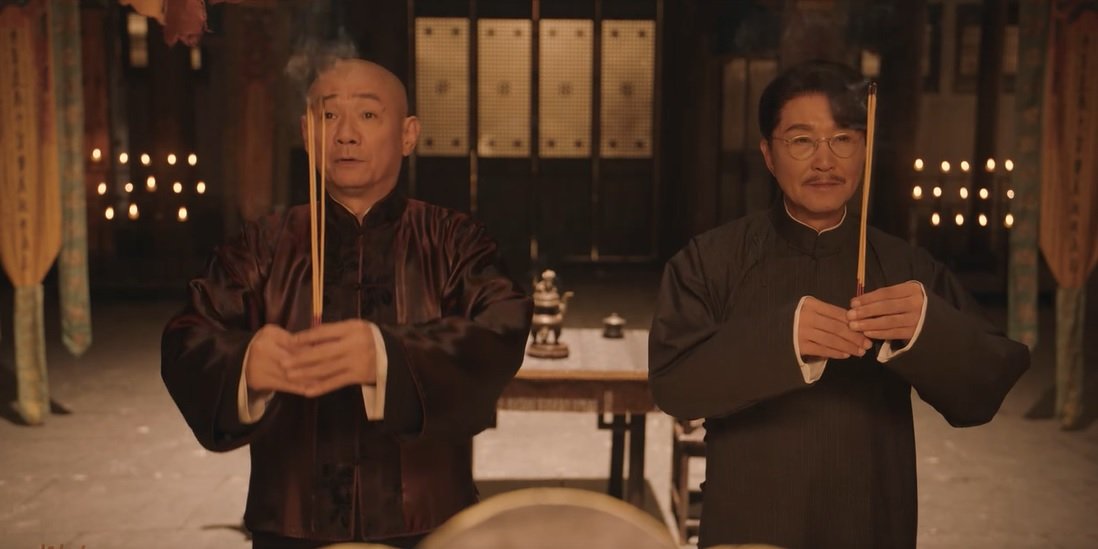
Friends and foes
Guo Jing Lin as Grandfather / Zu Ye / Zhou Xing Si
As the ultimate mastermind of the Tianxiang Sect, Guo Jinglin portrays Zu Ye with a chilling, elite arrogance. Grandfather rarely raises his voice or resorts to physical intimidation. His menace is purely psychological—stemming from a deep belief that he owns the fates of everyone around him, making his final structural collapse all the more satisfying.
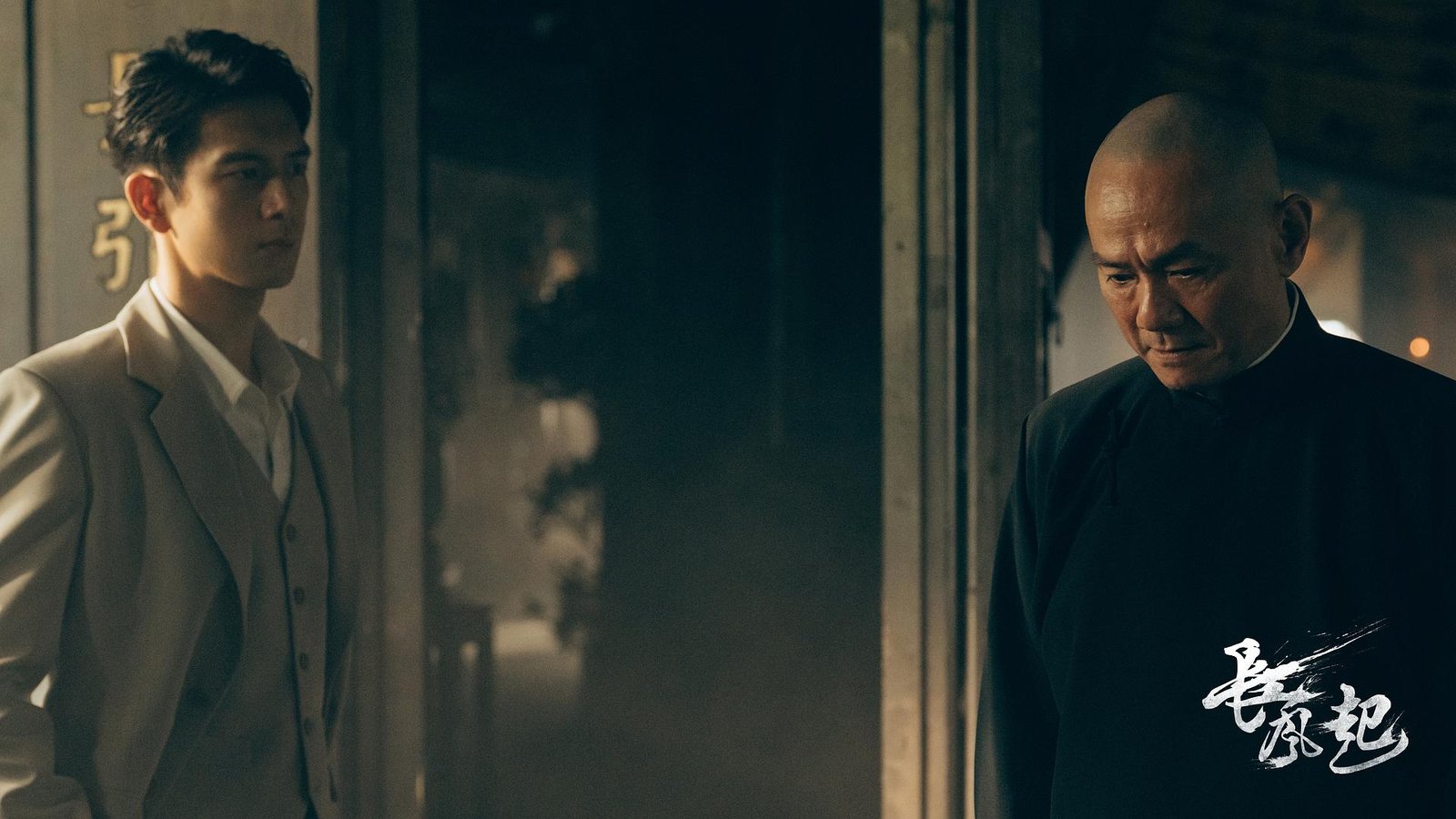
Meeting the archenemy
Liu Guanlin as Sha Liang
On the surface, Sha Liang is introduced as a seemingly simple-minded gang enforcer. In an underworld filled with smooth-talking charlatans, cold con artists, and masters, Sha Liang stands out because he doesn’t look like an intellectual threat. He provides a brief breath of fresh air and even grounded, subtle comic relief in an otherwise suffocatingly dark thriller. However, it’s just a psychological shield. He hides a deep, hidden life story and intense personal background.
Sha Liang forms a brilliant, understated bromance and alliance with the protagonist. While Wang Jiaxian is the cold cerebral strategist, Sha Liang provides the literal and tactical muscle, anchoring the high-wire act of the counter-con.
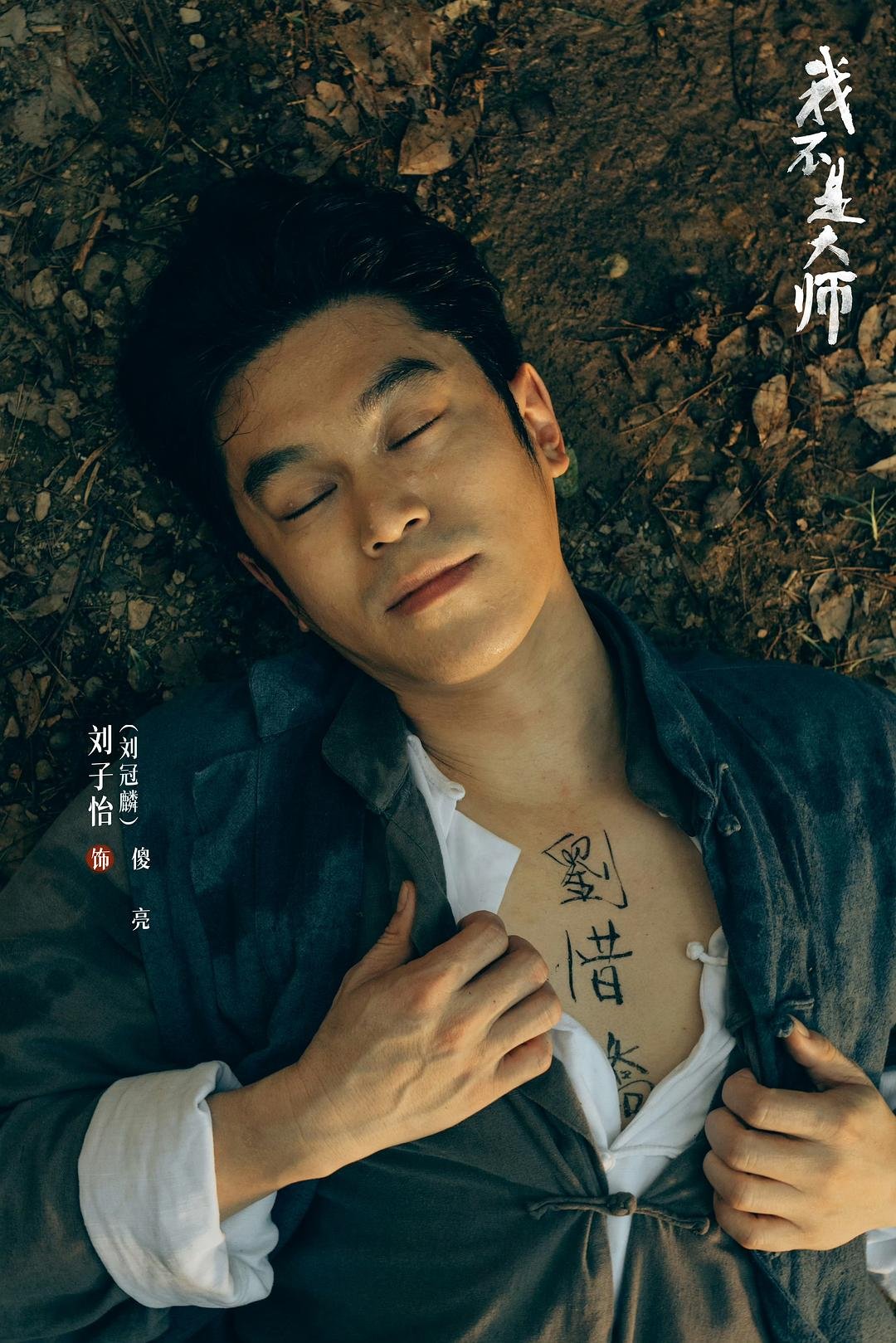
“Liu Xijao” (刘惜娇)
Production Values
In my opinion, the production design of A Prophet marks a significant departure from standard modern Chinese dramas. Directed by Yang Lei—the visual architect behind the live-action adaptation of Three-Body (三体)—the series rejects the typical glossy, over-lit, and heavily filtered aesthetics common in Republican-era dramas. Instead, it utilizes high-budget, cinematic world-building to craft a gritty psychological noir.
Cinematography
Director Yang Lei establishes an immersive, unvarnished atmosphere by strictly omitting the “smooth-skin” beauty filters frequently utilized in mainstream dramas. The camera work prioritizes organic textures—capturing airborne dust motes, the grain of weathered wood, and genuine facial sweat during high-stakes psychological standoffs.
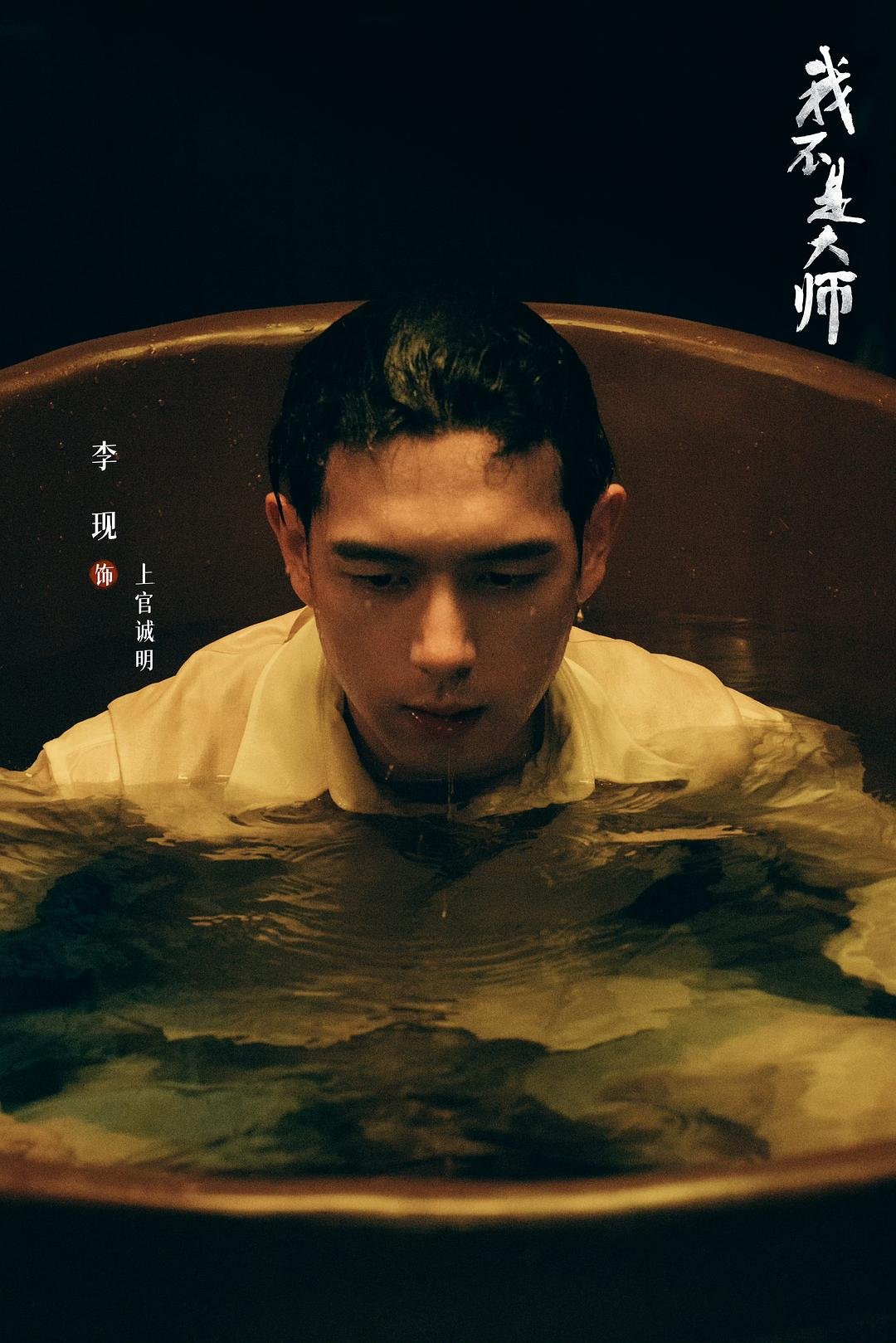
The long road to revenge
The lighting design relies heavily on low-key natural illumination and deep shadows. Characters operating within the fraudulent underworld are frequently captured in half-shadows, visually externalizing their fluid loyalties, dual identities, and hidden moral compromise.
Set Design
The show’s art department created a stark, deliberate structural contrast between the opposing socio-economic spheres of 1930s Yucheng.
My note: The city of Yucheng (often written or fictionalized as Yucheng / 玉城 or Yuncheng / 郓城 / Tiecheng) appears in various Republican-era Chinese dramas, spy thrillers, and period romances as a fictionalized or historical regional hub.
The luxurious residential domains of the wealthy marks are built with period-accurate antiques, heavy silks, and sprawling spaces that project unbridled security—making their eventual systematic ruin all the more jarring.
The dens of the Tianxiang Sect are defined by complex, layered layouts. Rooms are subdivided by carved folding screens, hidden partitions, and uneven levels. This intentional geometry provides the physical infrastructure for eavesdropping, stealth movement, and physical positioning, transforming the set itself into an active participant in the ongoing chess matches.
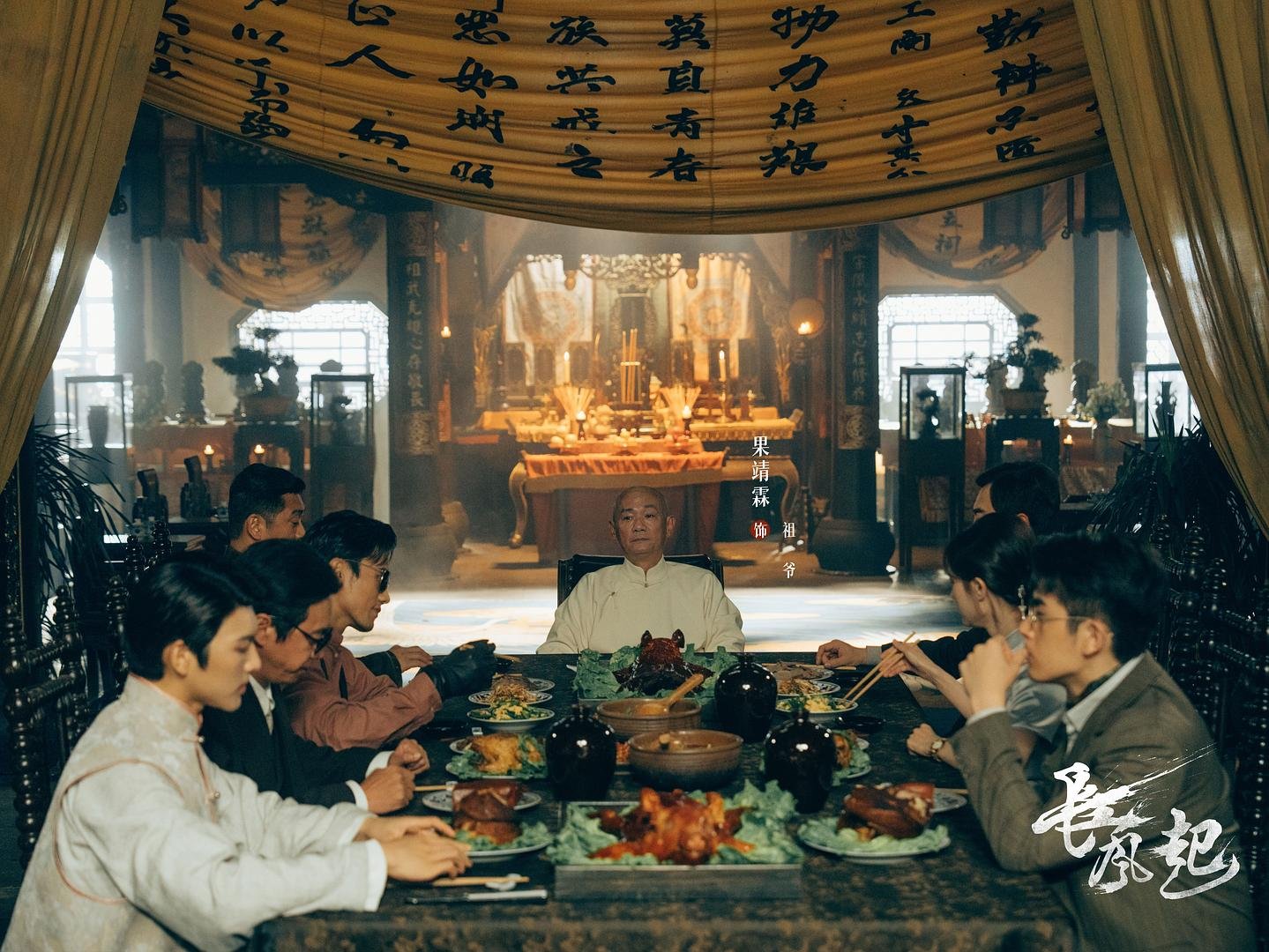
The Sect banquet
Costumes, Makeup, Props
Rather than treating wardrobe as mere aesthetic dressing, the costume design serves as a dynamic indicator of a character’s active psychological disguise. For examples:
Li Xian’s wardrobe transitions seamlessly from the bespoke, impeccable tailoring of an elite young master Shangguan Chengming to the minimalist linen and Taoist robes of an undercover agent. Li Yitong’s costuming undergoes a severe, calculated evolution—moving from the vibrant, expressive colors of her disguise attire to simple, dark, dual-toned qipaos that signify her involvement within the criminal organization.
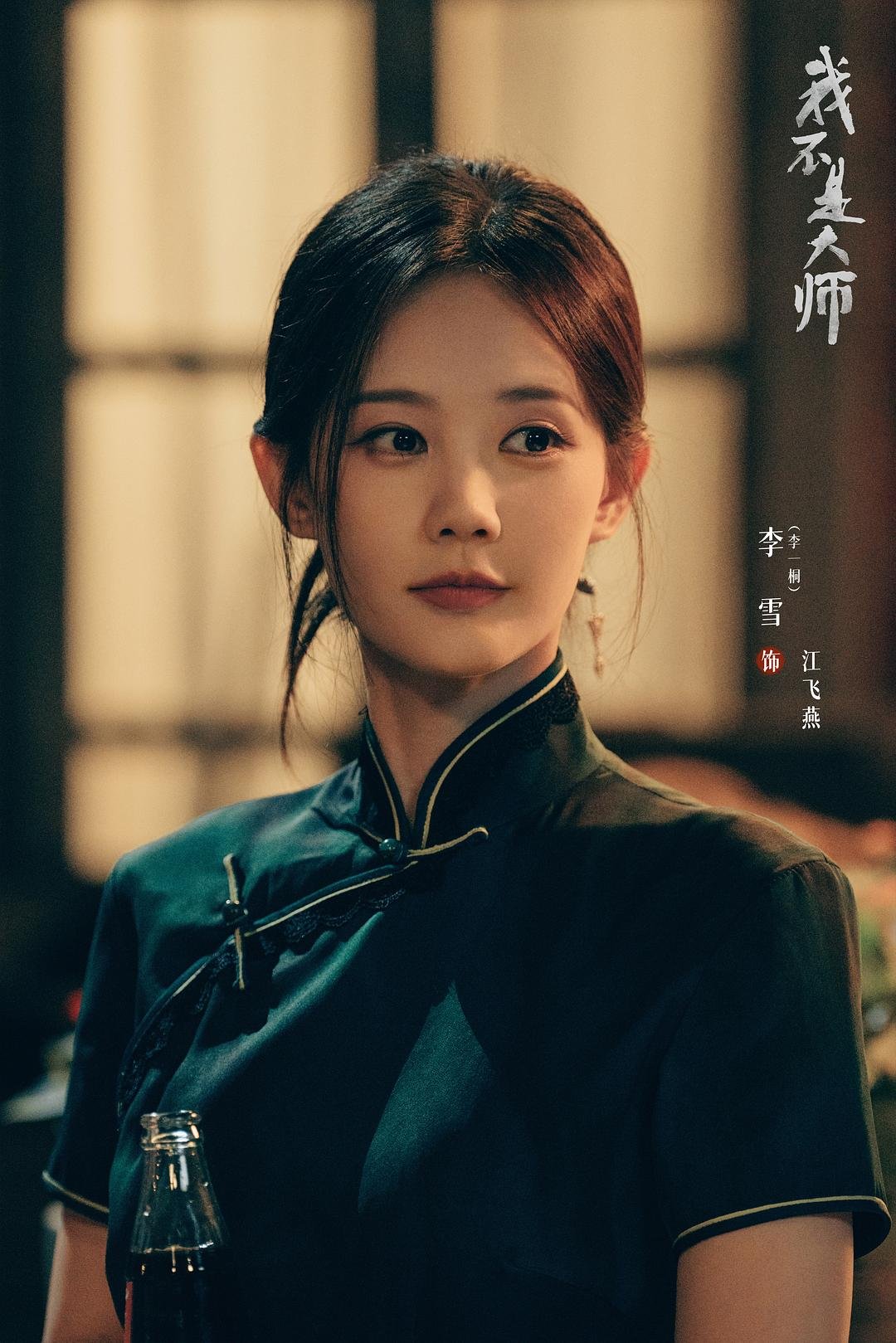
The Fifth Master
Every device used to anchor the fraud schemes—ancient copper coins, specific talismans, occult ritual apparatuses, and fortune-telling banners—was meticulously researched and replicated. This authenticity grounds the abstract concept of historical mysticism in tactile, believable reality.
My Rating
I used my rating system with additional scores of:
- + 1.0 for the scamming cases
- + 0.5 for the ending (I will explain in the Spoilers Section)
- + 1.0 for the main characters and acting
- + 1.0 for the elusive Republican Era setting
Total rating 9.5/10.
Conclusion
At the end of the day, A Prophet is a win because it refuses to play by the usual Chinese drama rules. If you go into this expecting a cozy, aesthetic Republican-era romance where the main couple overcomes everything with the power of love, you are going to get your heart broken—and honestly, the show will probably frustrate you.
But if you treat it for what it actually is—a dark, gritty, psychological noir thriller—it’s easily one of the smartest shows to drop in a long time. Director Yang Lei does an incredible job stripping away the usual glossy TV filters, delivering a world that feels damp, shadow-drenched, and genuinely tense.
The drama completely relies on its high-stakes acting. Li Xian and Li Yitong are phenomenal here. Throw in Liu Guanlin’s surprisingly tragic performance, and the chilling weight of veteran actors—like Wu Gang and Guo Jinglin—and you get an ensemble that perfectly pulls off an incredibly complicated “traps within traps” plot.
A Prophet is definitely a slow-burn noir drama that demands your full attention, but the payoff is totally worth it. It leaves you with a haunting final reminder: the scariest monsters out there aren’t cosmic fate or supernatural curses—it’s just regular human malice, meticulously planning its next move right next to you.
Spoilers
What is the ending? [short answer]
Happy ending with a possibility for a sequel.
How does the drama end? [long answer]
Wang Jiaxian got his revenge. The good guys—Wang Jiaxian, Jing Feiyan, and Sha Liang—survived. The bad guys got their punishments.
What about the sequel?
In the final scene, Wang Jiaxian met a stranger—whose face is not shown—who introduced himself as “Shangguan Chengming”. It’s unclear where the sequel will go, since the story is already complete as described in the long answer above.
Why I like the ending?
Many times, Chinese Republican-era dramas have sad endings with a good leading character dying. In this drama, all characters have the ending they deserve.
For the main characters, I like that:
- Wang Jiaxian got his revenge.
- Jiang Feiyan is alive, and so is Sha Liang. I had guessed that the screenwriter might kill one of them because of the Republican-era setting.
- Although they were married, Wang Jiaxian and Jiang Feiyan didn’t get back together. After all, Jiang Feiyan was a con artist and had scammed Wang Jiaxian and his whole family in the past.
- Jin Bu Huan atoned for his sins by committing suicide. In the novel, he’s alive and retires into seclusion.
- Grandfather gets a better punishment than just trial and execution. He was beaten to death by the survivors of his crime. This corporal punishment is rare in Chinese drama, as usually all bad guys are punished by the law.