Introduction
What is more frightening—the monster hiding in the darkness, or the one hiding inside our own minds? Delusion takes that question and turns it into a haunting mystery where reality, superstition, memory, and fear begin to blur together. Set against an eerie rural backdrop, this Thai drama slowly pulls you into a world where nothing is quite what it seems. When you think you’ve figured out what is happening, another question emerges: Are the monsters real, or does the mind create them?
The article title is explained at the end of the Spoilers section. Read at your own discretion.

Drama Info
Drama title: Delusion (Native title: ภาพลวงตาย)
Alternative title: Phap Luang Tai
Genres: Thriller, Mystery, Crime, Drama
Aired: 24 Sep, 2026
Episodes: 6 | Duration: 52 min.
Director: Au Chayan Laoyodtrakool (อู๋ ชยันต์ เล้ายอดตระกูล)
Screenwriter: Au Chayan Laoyodtrakool (อู๋ ชยันต์ เล้ายอดตระกูล), Pete Kasidej Sundararjun (พีท กษิดิ์เดช สุนทรารชุน), and Yui Kanokphan Ornrattanasakul (ยุ้ย กนกพรรณ อรรัตนสกุล)

Where to watch: Netflix
Trailer
Synopsis
When her father’s worsening dementia makes him a prime suspect in a murder case, a small-town schoolteacher races to uncover the truth amid dark rumors.
In the quiet district of Chiang Khan, Loei Province, a child’s disappearance reawakens something the town has spent over a decade trying to forget and bury. As fear takes hold, the old legend of “Phii Pong” resurfaces, and as the town hunts for someone to blame, the suspicion settles on Narong, an elderly man whose worsening dementia makes him impossible to defend, and impossible to trust — even by his own family.
This forces his daughter Wan, a provincial high school teacher, to stand up to the town’s rumour and prove her father is only a sick man who needs care, not the monster the town has decided he is. But every answer she uncovers only raises more questions, and the closer she gets to the truth, the less she recognizes the people closest to her- the ones she calls family. (Source: MyDramaList)
Characters
Main Characters
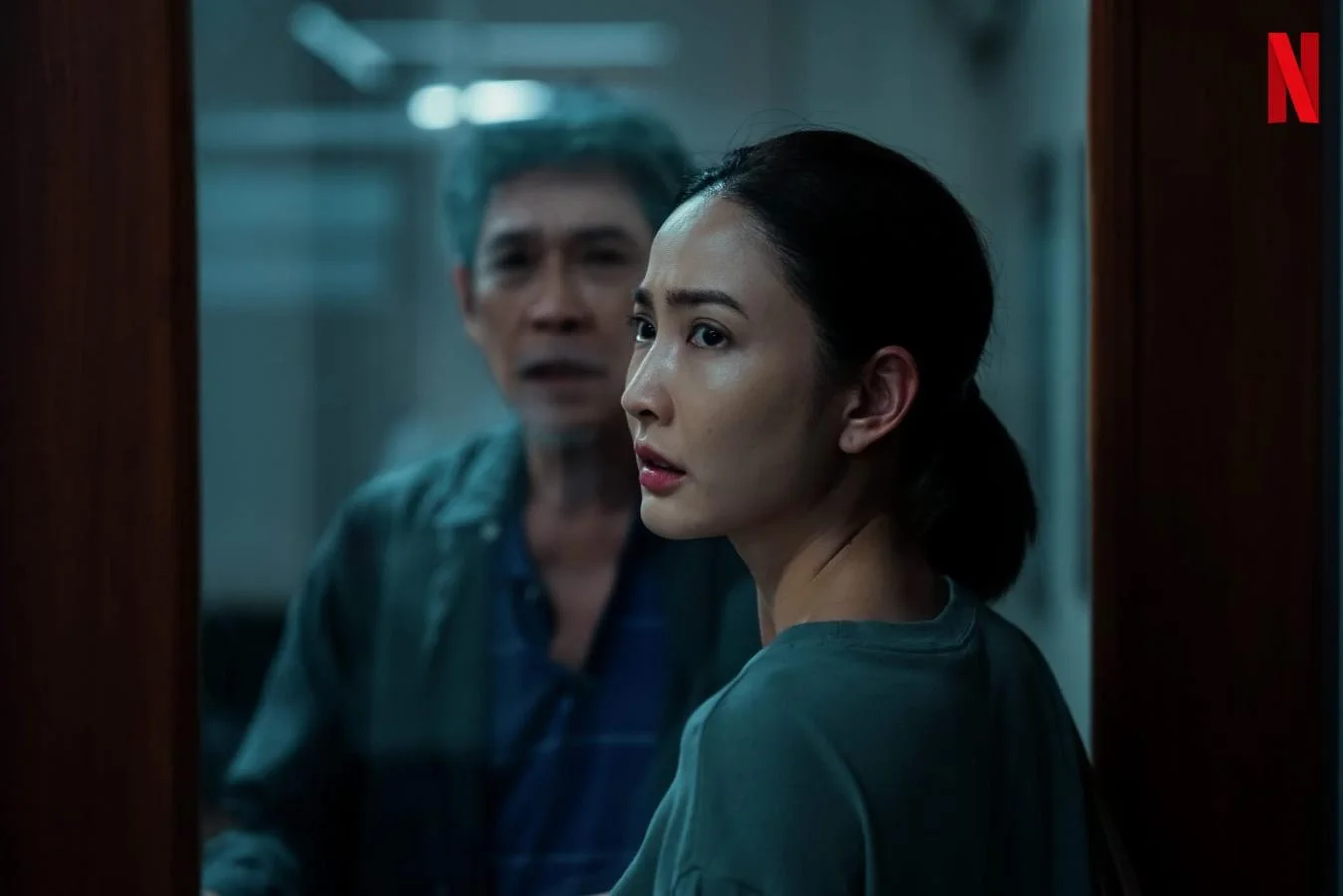
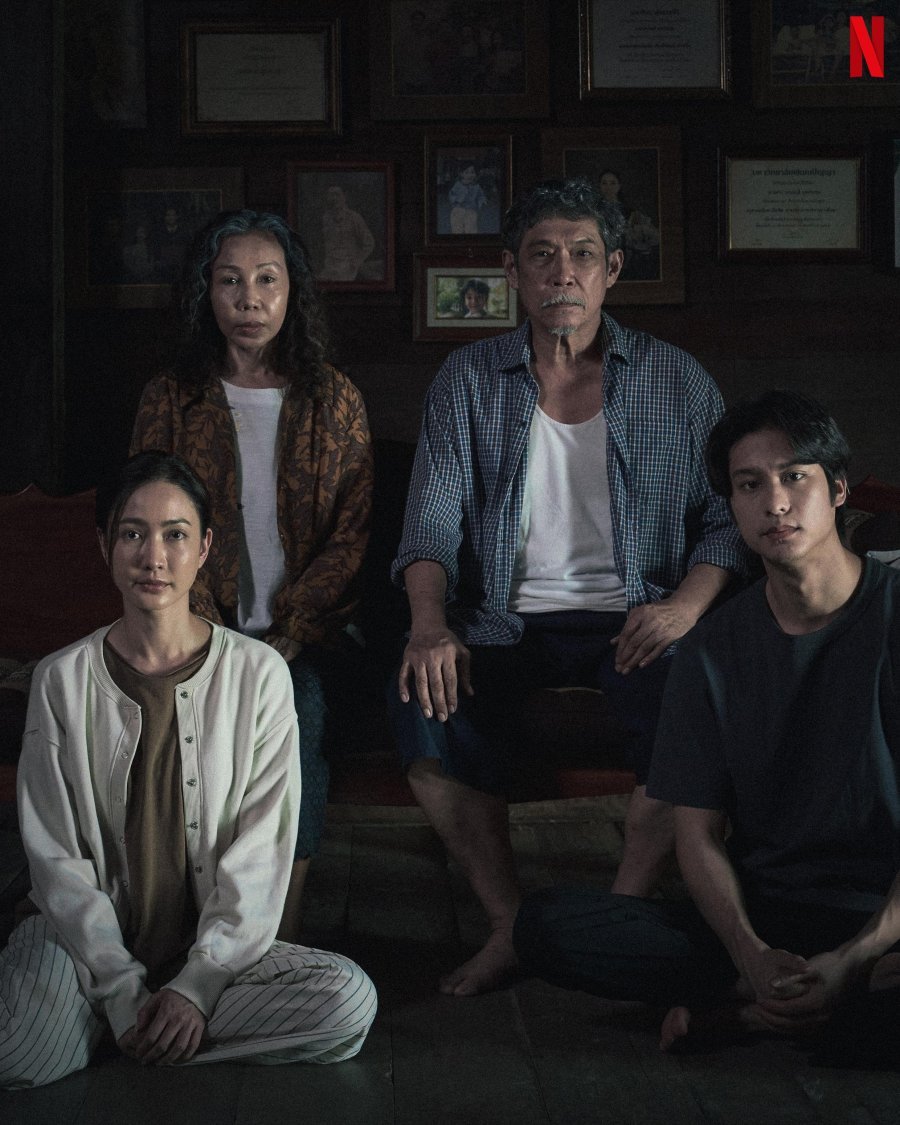
Taew Natapohn Tameeruks (แต้ว ณฐพร เตมีรักษ์) as Wan
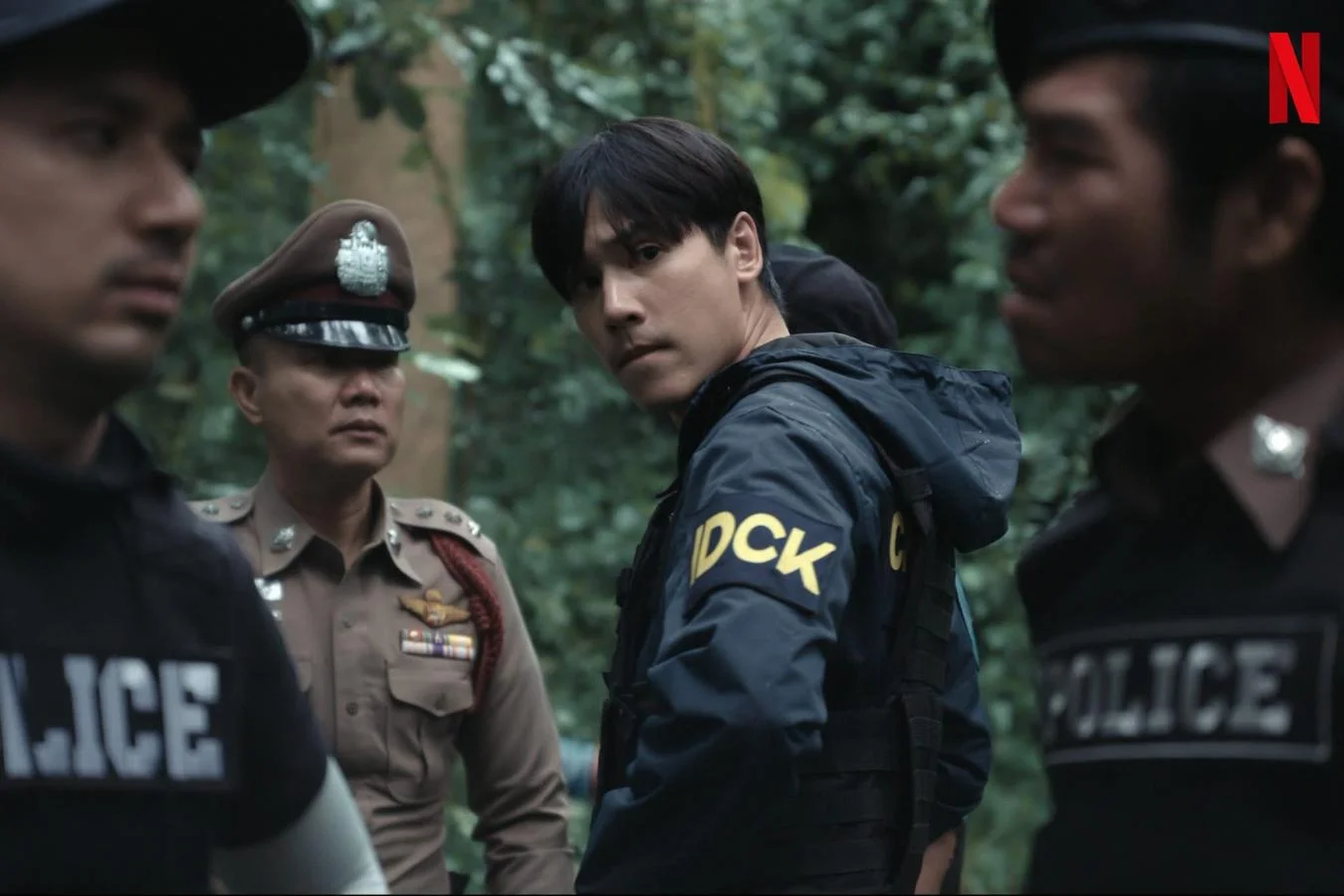
Jes Jespipat Tilapornputt (เจษ เจษฎ์พิพัฒ ติละพรพัฒน์) as Pete
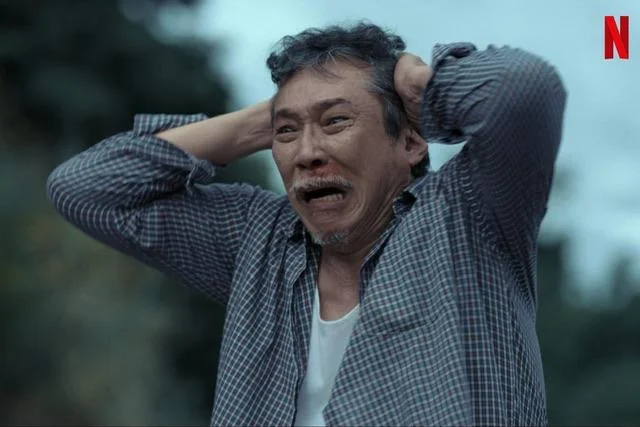
Nu Surasak Chaiat (หนู สุรศักดิ์ ชัยอรรถ) as Narong
Supporting Characters
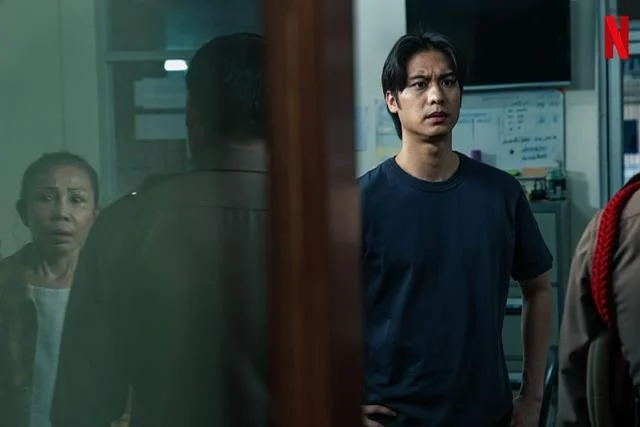
Wat (August Vachiravit Paisarnkulwong) – Wan’s brother
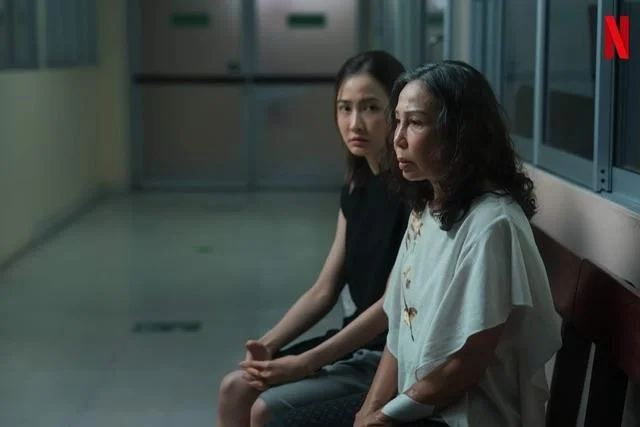
Pannee (Tom Sirani Yankittikan) – Wan’s mother
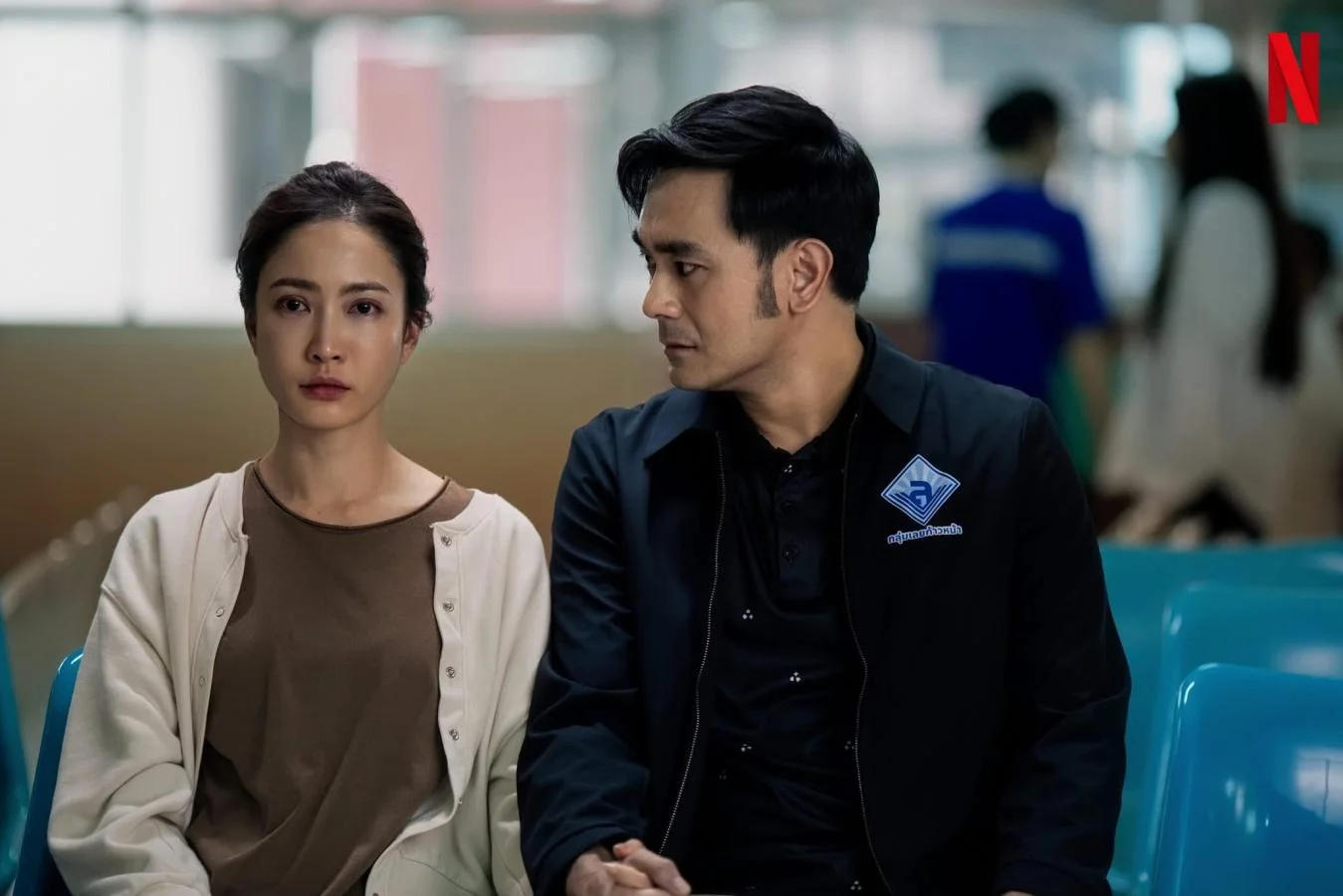
Yote (TAE) – Wan’s ex-husband
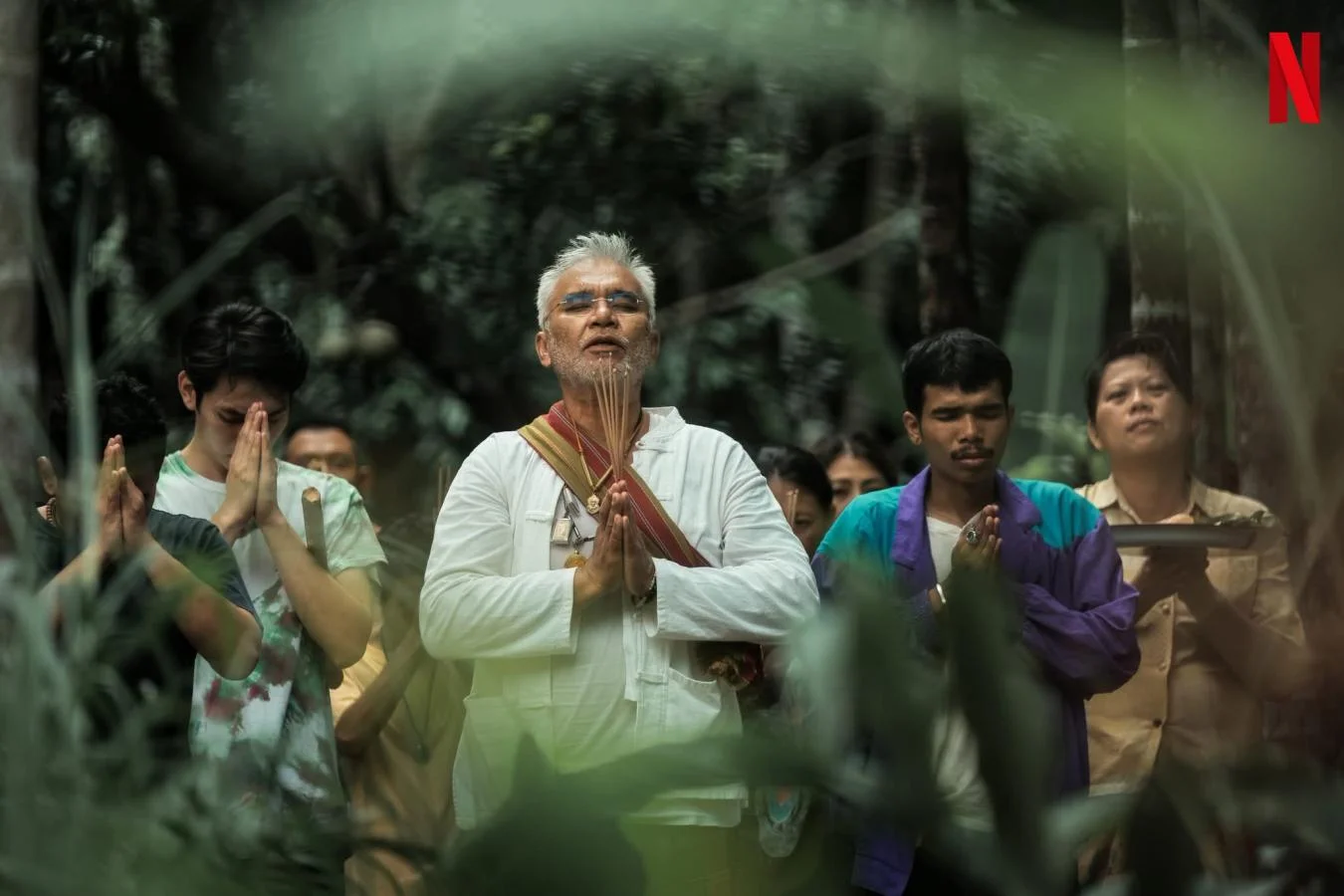
Sak (Boombim Sam-Tone) – Wan’s uncle and village shaman
Review
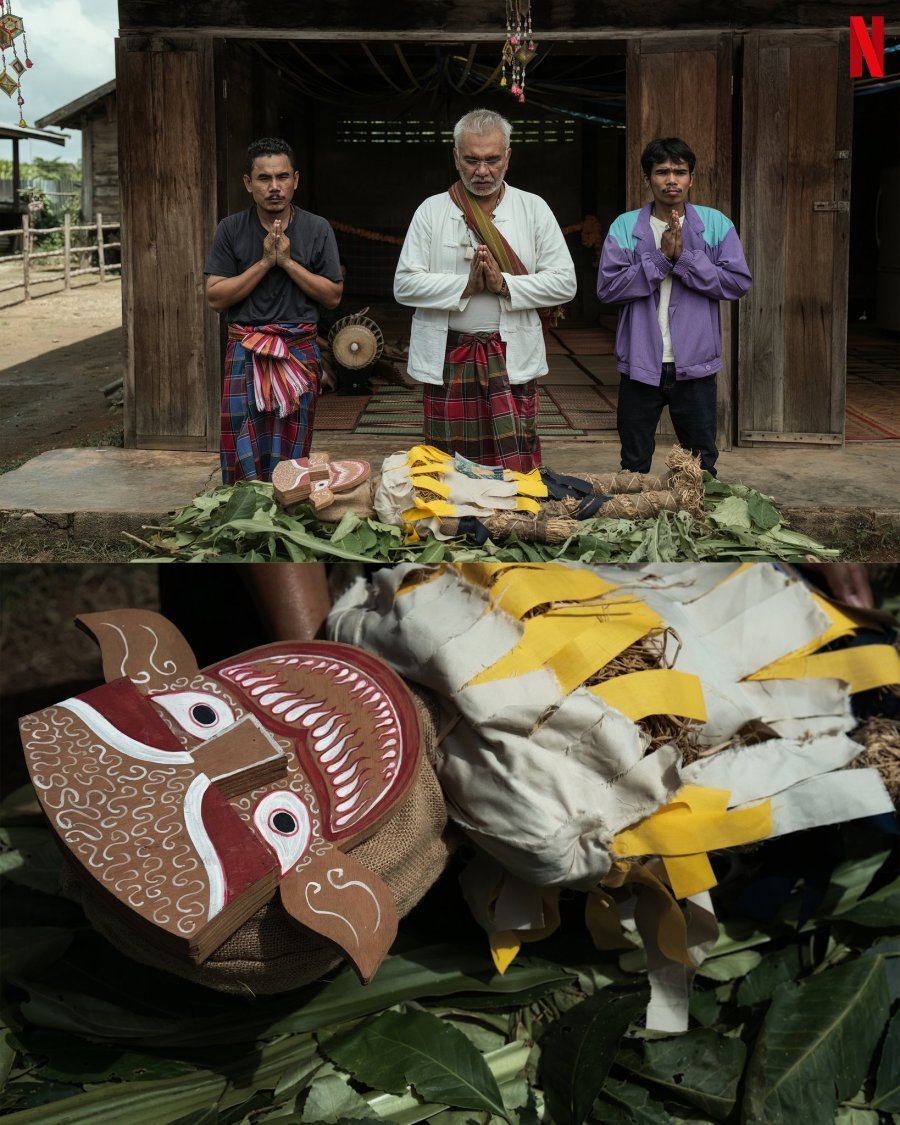
The legend of Phii Pong
The legend of Phii Pong (ผีโพง)—also commonly spelled Phi Phong or Phi Pao—is a prominent piece of supernatural lore originating from Northern and Northeastern (Isan) Thai folk culture.
According to local folklore, a Phii Pong isn’t born naturally. Instead, it is the result of a human practicing black magic who ultimately loses control of the power within themselves. During daylight hours, a person cursed as a Phii Pong behaves, works, and looks like an ordinary villager. However, once night falls, the spirit takes over.
The legend provides the perfect narrative tool for Delusion. Because a Phii Pong behaves erratically at night, eats raw things, and acts like a totally different person than they do during the day, the superstitious villagers mistake Narong’s worsening dementia for spirit possession. The show brilliantly juxtaposes the tragedy of a modern neurological disease with the terrifying weight of ancient, rural paranoia.
Story and Plot
What I liked about Delusion is that it doesn’t rush to tell you what’s really happening. From the beginning, the story throws you into this strange situation where you’re never quite sure if you’re watching a supernatural horror story, a crime mystery, or a story about a family falling apart.
The basic setup is pretty simple: The protagonist, Wan, returns home because of what’s happening to her father, Narong, an elderly man whose dementia has gotten worse. Then things take a much darker turn when people in the village start believing that something supernatural—connected to the legend of Phii Pong—may be involved. And that’s where the story gets interesting.
The plot keeps playing with the question of what is real and what is imagined. Is Narong actually possessed? Is there really a spirit? Or are fear, superstition, memory, and misunderstanding causing people to see something that may not actually be there?
I also think the dementia storyline adds an interesting layer. Narong can’t always remember what happened, and the people around him can’t always trust what they see or hear. That makes the mystery much more complicated because the usual clues aren’t necessarily reliable. You start questioning not only the characters, but the story itself.
The village setting works really well, too. There’s a feeling that everyone knows the old stories and superstitions, and once the idea of a spirit takes hold, it becomes difficult for anyone to look at the situation objectively. Fear almost becomes a character in the story.
That said, the plot can get a little complicated. There are moments when it feels like the show is throwing several mysteries at you at once, and some of the twists may leave you thinking, “Wait… what exactly just happened?” I didn’t necessarily mind that, because figuring things out is part of the fun, but I can see why some viewers might find it frustrating.
For me, the most interesting part of Delusion isn’t really the question of whether Phii Pong is real. It’s the idea that once people believe there is a monster, that belief can become powerful enough to affect everyone around them.
Characterization and Acting
The characters are probably one of the things that kept me watching Delusion. Nobody feels completely straightforward, and that works really well for a story where you’re constantly wondering what’s real and what isn’t. Two performances from Taew and Nu are specifically outstanding.
Taew as Wan
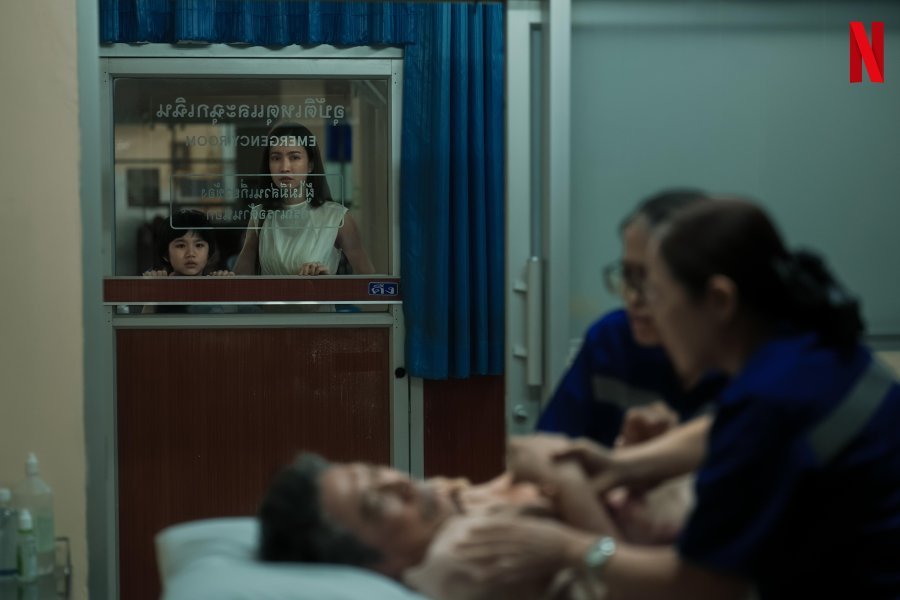
Wan is the character we spend the most time with, and she’s really the emotional center of the story. I liked that she isn’t portrayed as someone who immediately knows what to believe. She’s dealing with her father, trying to make sense of his behavior, while also having to deal with the fear and superstition surrounding the situation. You can almost feel her going back and forth between “Something supernatural is happening” and “There has to be another explanation.” That uncertainty makes her feel much more believable.
Nu as Narong
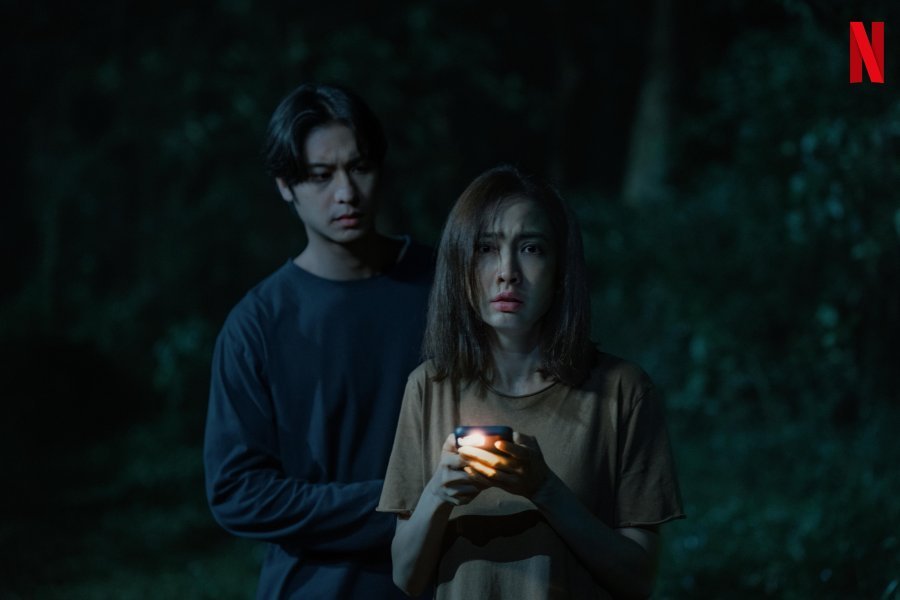
Narong, her father, is probably the most unsettling character. His dementia makes him difficult to read, because even when he says or does something strange, you can’t be sure whether it’s connected to his illness, something he remembers from the past, or something more sinister. The performance works because there’s a real sadness underneath the fear. At times you feel suspicious of him, and then you feel sorry for him. That emotional shift is one of the show’s strengths.
That’s especially important with the father-daughter relationship. The emotional scenes work because there’s more going on underneath the dialogue. Wan isn’t simply afraid of her father—she also loves him and feels responsible for him. And Narong isn’t simply a scary old man. He’s also someone whose identity and memories are slipping away.
Jes as Pete
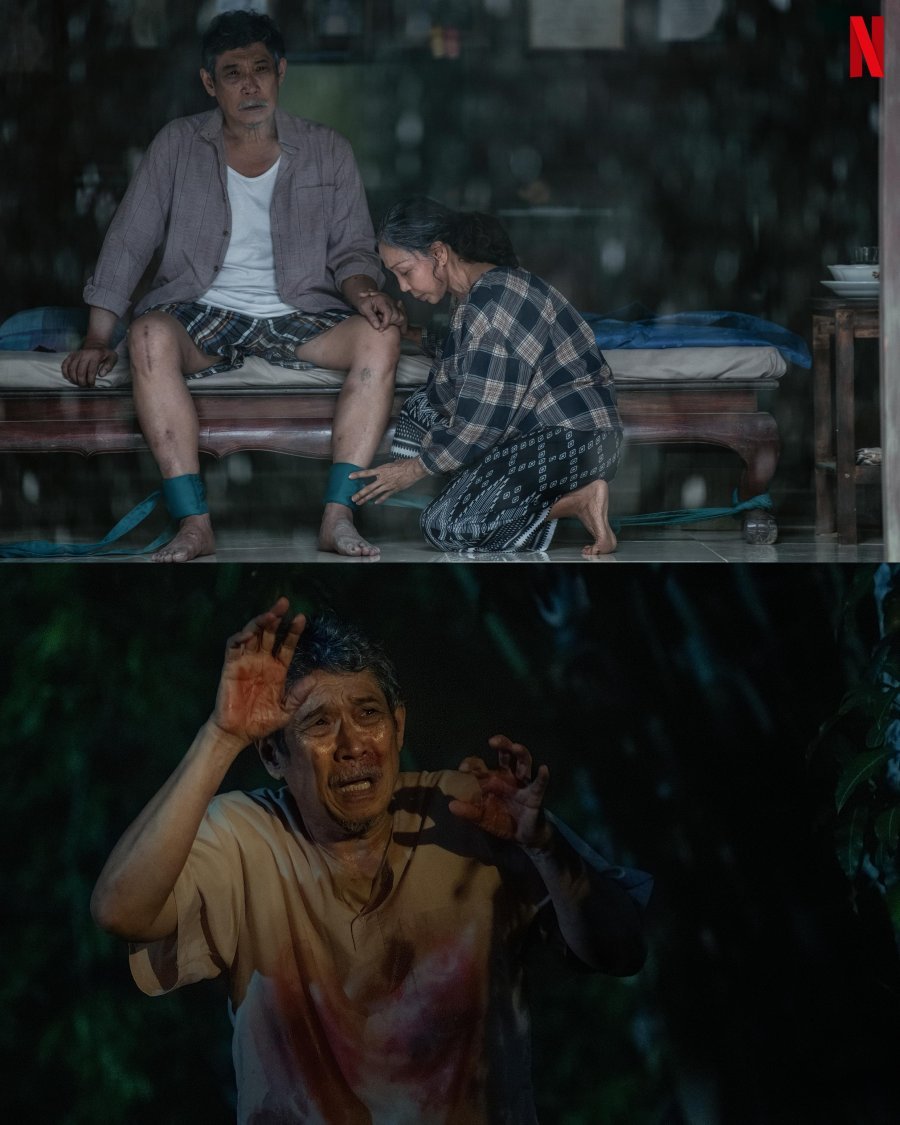
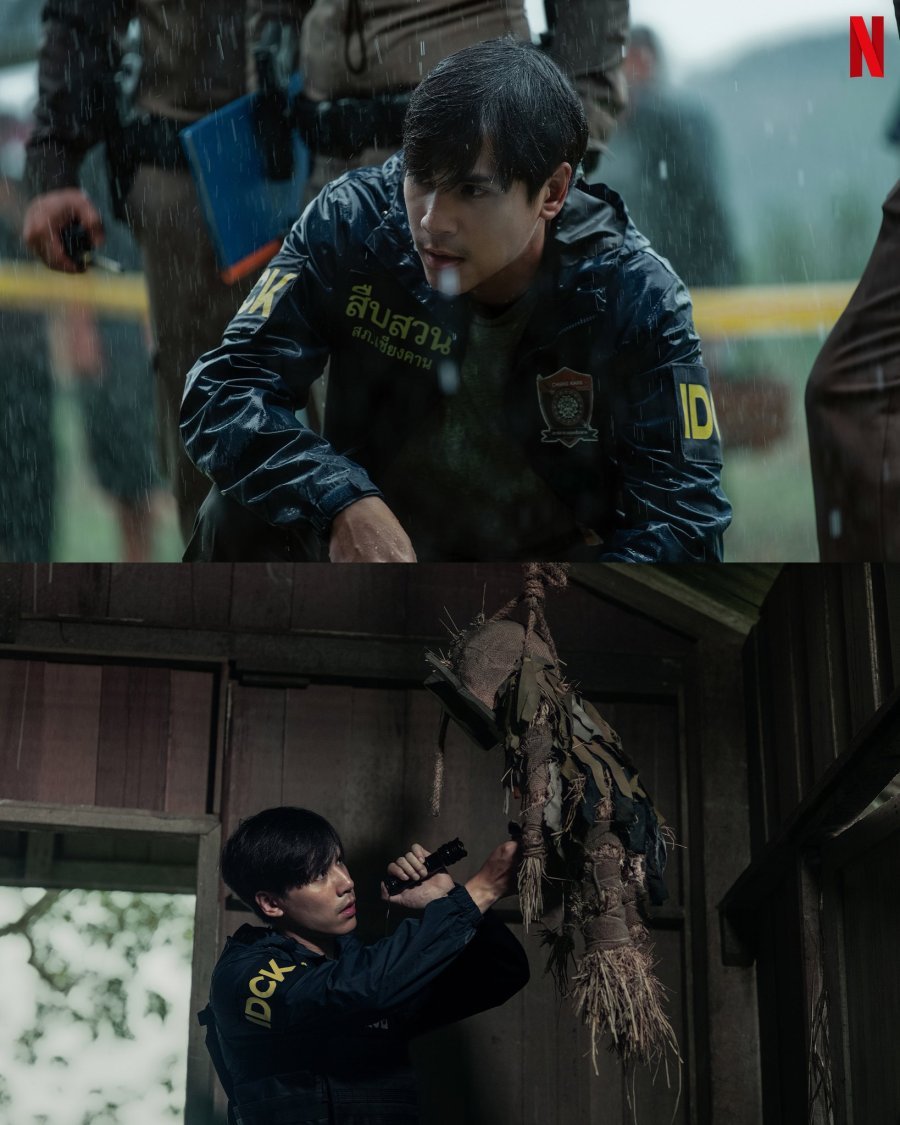
Pete is the detective who gets transferred from Bangkok and becomes involved in the investigation. What I like about Pete is that he brings a much more rational, grounded perspective to a story where everyone else seems to be getting pulled deeper into superstition and fear.
The supporting characters also help create that feeling of paranoia. You get the sense that the villagers have their own beliefs, fears, and assumptions, and once the idea of a supernatural presence takes hold, everyone starts looking at events differently. Some characters are easier to trust than others, but the show doesn’t always make it obvious who deserves your trust.
As for the acting, I think the cast did a good job keeping things relatively understated. This isn’t a series where everyone is constantly screaming or dramatically announcing how scared they are. A lot of the tension comes from looks, pauses, awkward conversations, and little changes in behavior.
I also liked that the actors don’t give us all the answers through their performances. Even when someone looks suspicious, you can still wonder whether you’re reading too much into it. That’s exactly what a mystery like Delusion needs.
Production Values
One thing I really enjoyed about Delusion is how much the production helps create the mood. The show doesn’t need huge sets or expensive-looking effects to make you uncomfortable. A lot of the atmosphere comes from the locations, lighting, sound, and cinematography.
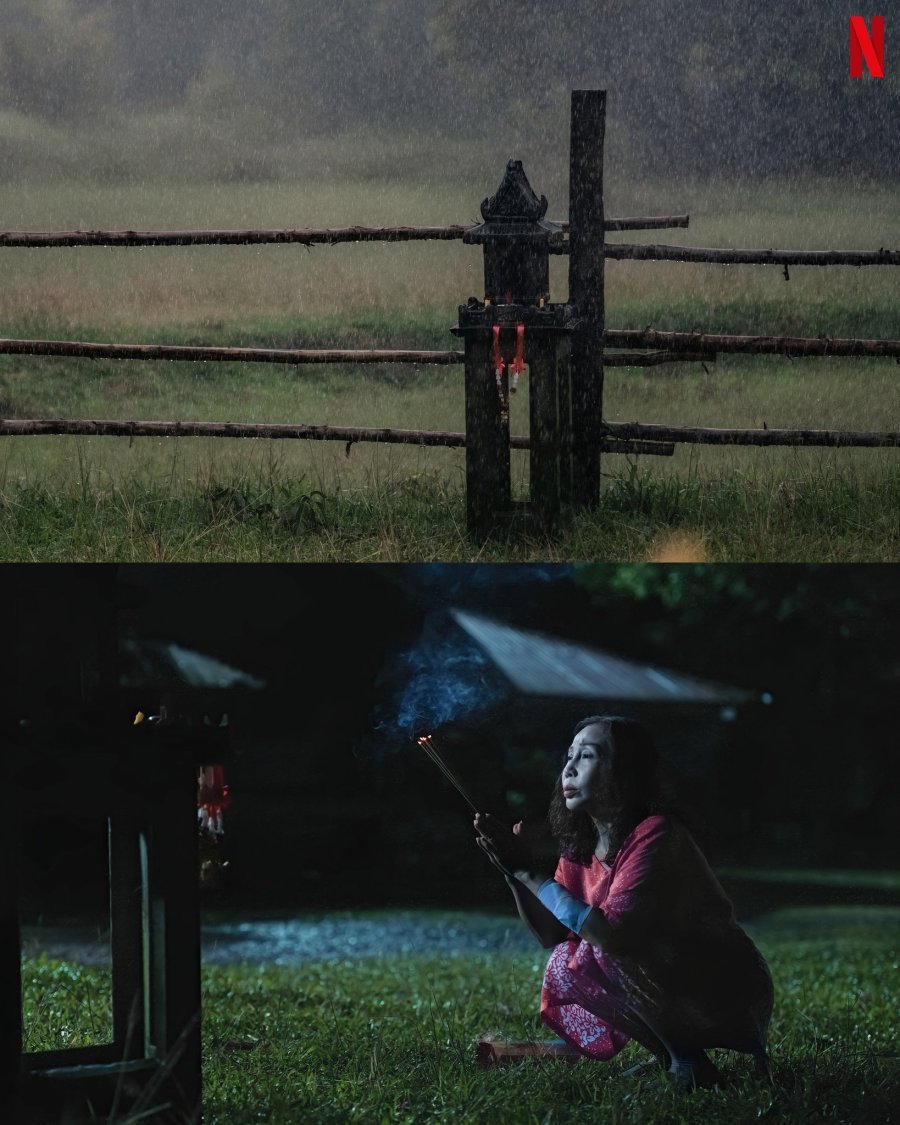
I always like Thai dramas with an Isan background and the tropical, rural landscape of Northeastern Thailand. Since this isn’t a horror drama, I’m glad the director kept cheap jump scares and screeching background music to a minimum.
The rural setting works especially well. The village feels isolated, and that isolation makes everything seem a little more threatening. The forests, old houses, narrow roads, and dark interiors give the story a creepy feeling without making it look like a typical horror production.
The cinematography is also nicely restrained. There are plenty of dark, shadowy scenes, but the show generally uses darkness to create suspense rather than simply hiding things from the audience. The camera often lets a scene sit for a moment, which gives you time to start wondering what might be lurking just outside the frame.
The supernatural elements are handled fairly carefully as well. The production doesn’t depend entirely on elaborate CGI or horror effects. That actually works in its favor because the uncertainty is part of the horror. The less you see, the more your imagination fills in the gaps.
My Critiques
Convoluted Side Plots
In my opinion, the side plots surrounding Wan’s rocky marriage, custody battles, and financial stress don’t add any value to the core mystery.
Rushed Character Development
Due to its short 6-episode runtime, some secondary characters—especially the ones closely connected to the main plot—have vague motivations, leaving a few arcs feeling slightly under-explored.
My Rating
I used my rating system with additional scores of:
- + 1.0 for the story
- + 1.0 for the character and acting
- + 0.5 for the dark cinematography
Total rating 8.5/10.
Conclusion
Overall, Delusion is more than just a supernatural mystery. What starts as a story about a possible Phii Pong possession gradually becomes a story about fear, family, memory, superstition, and the way people try to make sense of things they don’t understand.
I liked how the story keeps you questioning what is actually happening instead of giving you all the answers right away. The uncertainty can sometimes make the plot a little complicated, but it also gives the drama its appeal. Just when you think you’ve figured things out, the story gives you another reason to question your assumptions.
For me, the biggest takeaway from Delusion is that the real monsters aren’t necessarily the supernatural ones. Fear, guilt, memory, superstition, and even the stories people tell themselves can become monsters of their own.
Spoilers
Is Narong a Phii Pong?
No, he really has dementia.
Who is the culprit?
Uncle Sak and Wat
Motif?
When little Wat was bullied badly, he killed the bully. His parents helped conceal the original crime. As he grew older, he developed a twisted idea of “justice”—deciding that certain people deserved to die.
After learning about Wat’s secret, Uncle Sak realized that the supernatural legend can be extremely useful. He helped them by creating the impression that the murders were the work of Phii Pong and presented himself as a shaman who can control Phii Pong. Because of greed, he then blackmailed his sister and brother-in-law for money and land.
What is the ending? [short answer]
Open ending
How does it end? [long answer]
Once Wat finally finds out what Wat has done, she has a chance to tell Pete—but she chooses to protect her brother and her family.
Pete suspects that Wat is the killer, but without enough evidence and without the family’s cooperation, he can’t make an arrest. Wat remains free. Pete is eventually transferred back to Bangkok.
Why is the article titled “Monsters in the Mind”?
The villagers think the monster is Phii Pong. But the real monsters are Wat’s distorted idea of justice, Uncle Sak’s greed, and the family’s unwillingness to reveal the truth.
When the case is settled by faith