Introduction
With a title like S&X, you might expect a steamy Japanese drama filled with romance, desire, and plenty of provocative moments. But after watching it, I found that S&X is actually much more interested in what happens behind sex than sex itself.
My article title is taken from the drama motto by the protagonist:
“When it comes to sex, no one is sure about anything.” (Shimotori Ichito)

Drama Info
Drama title: S&X (Native title: SとX )
Alternative title: S to X: Therapist Shirotori Ichito no Kokuhaku, SとX ~セラピスト霜鳥壱人の告白
Genres:  Mystery, Psychological, Romance, Medical
Aired: 20 Aug, 2026
Episodes: 7  |  Duration: 47 min.
Director: Kusano Shogo (草野翔吾)
Screenwriters: Kusano Shogo (草野翔吾), Yoshida Tomoko (吉田智子), and Matsushima Ruriko (松島瑠璃子)

 Adapted from the manga series "S to X: Therapist Shirotori Ichito no Kokuhaku" (SとX ~セラピスト霜鳥壱人の告白~) by Tada Kisei (多田基生).

Where to watch: Netflix
Trailer
Synopsis
At his clinic, sex therapist Ichito Shimotori treats diverse and intimate sexual issues with sincerity. Yet, he secretly hides a struggle of his own. (Source: Netflix)
Characters
Relationship Chart

Main Character

Nakajima Kento (中島健人) as Shimotori Ichito
Supporting Characters

Ichinose Yumi (Yuki Araki)

Saigawa Yuta (Miura Ryota) – Shimotori Clinic’s nurse

Natsume Marin (Fujima Sawako) – Shimotori Clinic’s receptionist

Kazuma Shun (Nakamura Aoi) – Ichinose Yumi’s colleague

Kono Miku (Kumada Rinka) – Ichinose Yumi’s colleague

Kase Shion (Yamaguchi Sayaka) – counselor
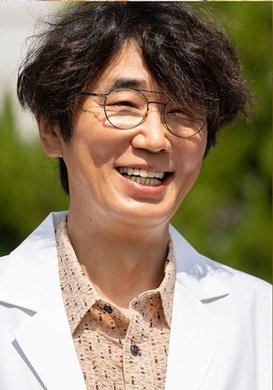
Kurusu Daisuke (Yusuke Santamaria) – Shimotori Ichito’s mentor and friend
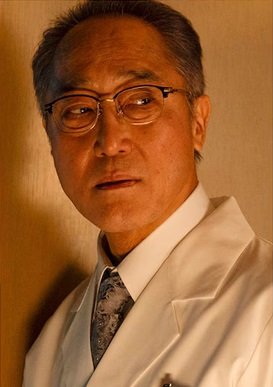
Toyohara Norio (Sano Shiro) – university dean
Review
Themes and Messages
I don’t write about themes and messages in drama reviews anymore, but this one is an exception. I think they help viewers understand what a drama is really trying to say, beyond just what happens in the plot.
For S&X especially, this is important because the title and premise can give viewers the wrong impression. You might expect a steamy romance, but the drama is actually exploring:
Sex is rarely just about sex
This is probably the biggest message of the drama.
Almost every case Ichito encounters has something deeper underneath it. Sexual difficulties can come from loneliness, insecurity, fear, trauma, poor communication, or simply not feeling emotionally connected to another person.
Everyone has something they’re ashamed of
One thing I appreciated about S&X is that it doesn’t divide people into “normal” and “abnormal.” Everyone has insecurities. Everyone has something they don’t want other people to know. Everyone has a part of themselves they may feel embarrassed about. The patients come to Ichito because they can’t say these things anywhere else.
You can’t heal while running away from your past
This is the message most closely connected to Ichito. For years, he has found a way to function without confronting what happened to him. He can work, help people, and maintain relationships at a certain distance. But functioning isn’t the same as healing.
Yumi’s return forces him to realize that burying something doesn’t mean he has gotten over it.

Communication is a form of intimacy
The drama repeatedly shows how difficult it can be for people to say what they actually feel or need. Sometimes couples aren’t lacking love. They’re lacking the ability to communicate honestly.
The message is simple but important: You can’t have genuine intimacy without genuine communication.
Helping others doesn’t mean you’re okay yourself
Ichito is a professional who knows exactly what to say to people when they’re struggling. But knowing the right answer intellectually doesn’t mean he’s emotionally capable of following his own advice. And there’s something very human about that, and that’s exactly what makes his character so grounded to viewers.
Love requires vulnerability
Ichito’s biggest obstacle isn’t really finding love. It’s allowing himself to be vulnerable enough to accept it. That’s an important distinction. The drama suggests that real intimacy requires taking the risk of being seen—not just physically, but emotionally.
Healing doesn’t mean forgetting
The drama also makes an important distinction between moving on and erasing the past. Ichito doesn’t need to pretend that his painful experiences never happened. He needs to accept that they happened without allowing them to control the rest of his life. That’s a much more realistic idea of healing.
Story and Plot
Story
S&X takes a pretty unusual approach to the romance genre. Ichito is a sex therapist who spends his professional life listening to people talk about their most private problems. His patients come to him because they can’t talk openly with their partners, friends, or family. That gives the drama an interesting starting point: a man who understands intimacy professionally but struggles with it personally.
When Yumi, his first love from 17 years ago, comes back into his life, his carefully controlled world starts to fall apart. And that’s where the drama’s real story begins.
Plot
One of the more unusual things about the plot is its case-of-the-week structure. In every episode, each patient brings a different problem, and Ichito has to figure out what’s really happening beneath the surface.
I think this is both the drama’s strength and weakness.
The individual cases allow the drama to explore different aspects of intimacy without making every problem about Ichito and Yumi. Thus, it prevents the story from becoming just another romance. The patient stories therefore work almost like miniature versions of the main story.

The downside is that not every case is equally compelling. There were times when I was more interested in what was happening with Ichito and Yumi than in another patient’s problem. That can make those cases like fillers despite the seriousness of their issues.
Characterization and Acting
Characterization
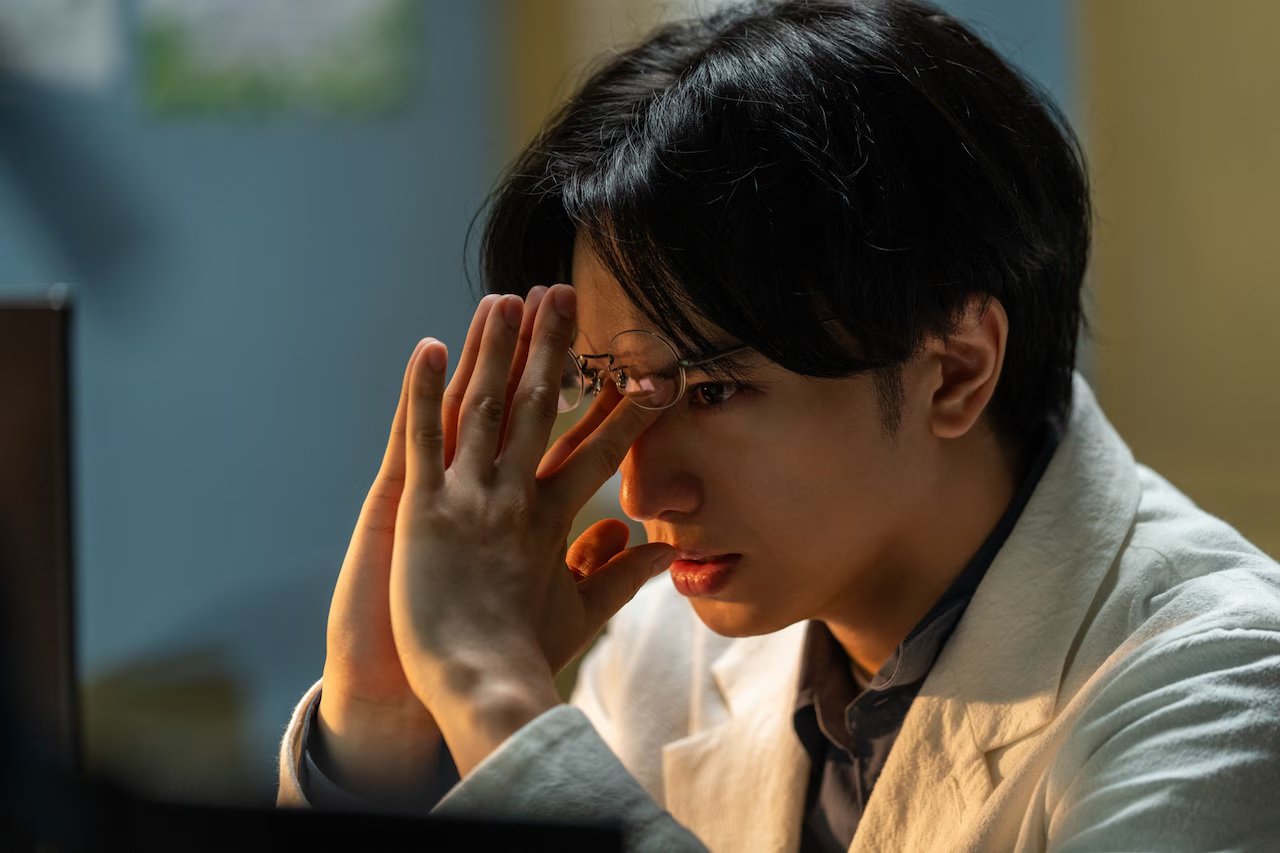
Ichito Shimotori is the heart of S&X. He is a calm, compassionate, and knowledgeable sex therapist who is excellent at helping other people with their intimate problems, yet struggles to confront his own emotional wounds. That contradiction makes him an interesting and relatable character.
Acting
Kento Nakajima gives a strong, restrained performance. Rather than relying on dramatic outbursts, he uses facial expressions, pauses, body language, and subtle changes in tone to show Ichito’s vulnerability. His biggest strength is showing the difference between Ichito’s confident professional side and his emotionally guarded personal side.

Ichinose Yumi, played by Yuko Araki, brings warmth and maturity to the story. Her long history with Ichito creates believable chemistry between them, and she is one of the few people who can see beyond his professional persona. However, she isn’t developed as deeply as Ichito, and the story could have given more attention to her own experiences and feelings.
The supporting characters and patients add humor, variety, and different perspectives on relationships and intimacy. Some are memorable, while others feel more like temporary characters because of the episodic structure.
Overall, the characterization is strong and the acting is one of the drama’s highlights. The characters feel imperfect and human, which fits the show’s message that understanding other people is much easier than understanding—and accepting—yourself.
Production Design
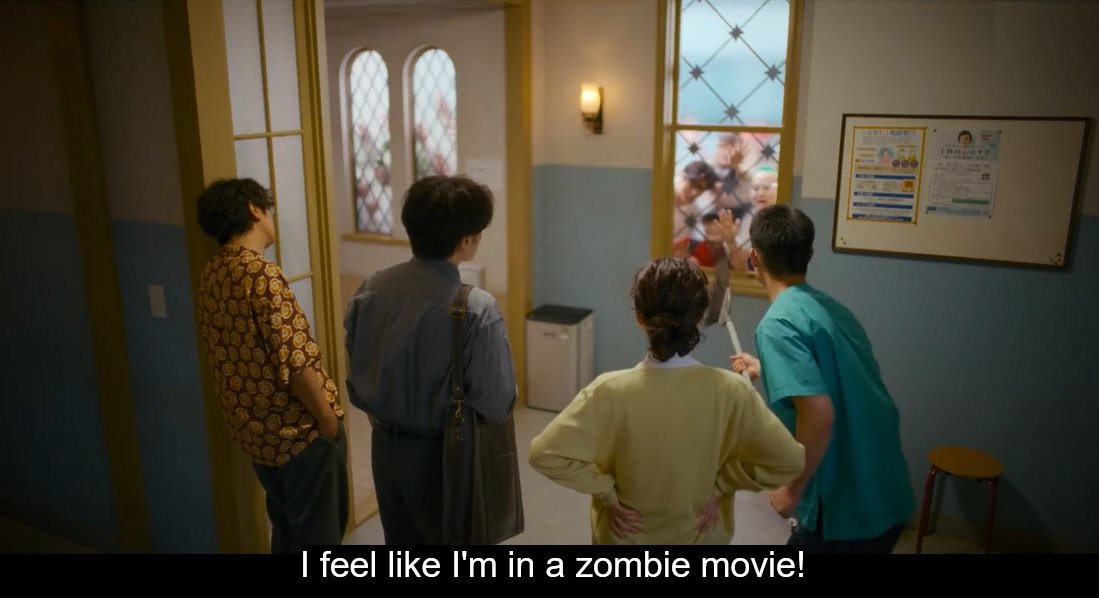
S&X isn’t the kind of drama that depends on huge action sequences, bright costumes, or spectacular locations, so its production value is more about atmosphere, cinematography, set design, and how the visual style supports the story.
The drama has a clean, polished, modern look that fits its subject matter. The clinic environment feels professional but also warm and private, which is important because it’s a place where characters are supposed to feel safe enough to talk about uncomfortable subjects.
Interestingly, the drama doesn’t rely heavily on explicit or overly sensual imagery despite its provocative title. Instead, it uses expressions, body language, close-ups, and quiet conversations to create intimacy. That actually makes the emotional scenes more effective.
One of the production’s biggest strengths is how they handle sensitive materials, for example, sexual intercourse.
A drama about sex can easily become either overly explicit or unintentionally comedic. S&X generally takes a more mature and restrained approach. The production treats sexual problems as part of people’s emotional lives rather than using them simply for shock value or fan service. That restraint makes the drama feel more like an adult character drama than a provocative romance.

My Rating
I used my rating system with additional scores of:
- + 1.0 for the theme and messages
- + 1.0 for the diverse cases
- + 1.0 for Nakajima Kento’s acting.
- + 0.5 for cinematography
Total rating 9.5/10.
Conclusion
After watching S&X, I think Ichito’s motto (“When it comes to sex, nobody knows about anything) says more about the drama than its provocative title does.
What begins as a story about sex and intimacy turns into a surprisingly emotional journey about love, trauma, loneliness, communication, and learning to accept yourself. Ichito may be the person everyone turns to for answers, but his own journey proves that understanding other people’s problems is much easier than facing your own.
The drama isn’t perfect. Some storylines feel uneven, the pacing occasionally slows down, and I wish Yumi had been given more depth. But the unusual premise, strong performances, and thoughtful approach to intimacy make S&X stand out from the usual romance drama.
In the end, S&X isn’t really a drama about sex. It’s about the courage to be vulnerable, honest, and open enough to let someone truly know you. You don’t have to have all the answers about love or sex—you just have to be willing to be honest about what you feel.

Spoilers
What is Ichito’s struggle?
PTSD from what happened with his parents. His mother cheated on his father, and his father butchered her lover’s sex organ. His father was imprisoned, while his mother disappeared. Ichito becomes a sex therapist because he hates sex.
What is the ending? [short answer]
Wholesome happy ending.
How does the drama end? [long answer]
Ichito makes peace by finding his mother, who lies in a coma at a nursing home. Dr. Toyohara, a family friend, told him what happened to Ichito’s parents, including why his mother cheated his father. Ichito also makes peace with himself. He and Yumi get together. He ends up showing up at the TV show hosted by Yumi and educates viewers about sex. All his previous clients listen to or watch his show.