Introduction
At first glance, The First Jasmine appears to be another Chinese historical romance filled with palace intrigue and political rivalries. However, the drama quickly distinguishes itself through its intelligent storytelling, strong character development, and a partnership built on mutual respect rather than simple attraction. Led by compelling performances from Bai Lu and Cheng Lei, the series balances romance, strategy, and emotional depth, creating a captivating journey that keeps viewers invested from beginning to end. Whether you’re drawn to court politics, clever protagonists, or slow-burn relationships, The First Jasmine offers a refreshing take on the Chinese historical drama genre.
My article title, “Never Part,” is quite short, but it has a meaning connected to the drama title. I will explain it below after the Characters Section.
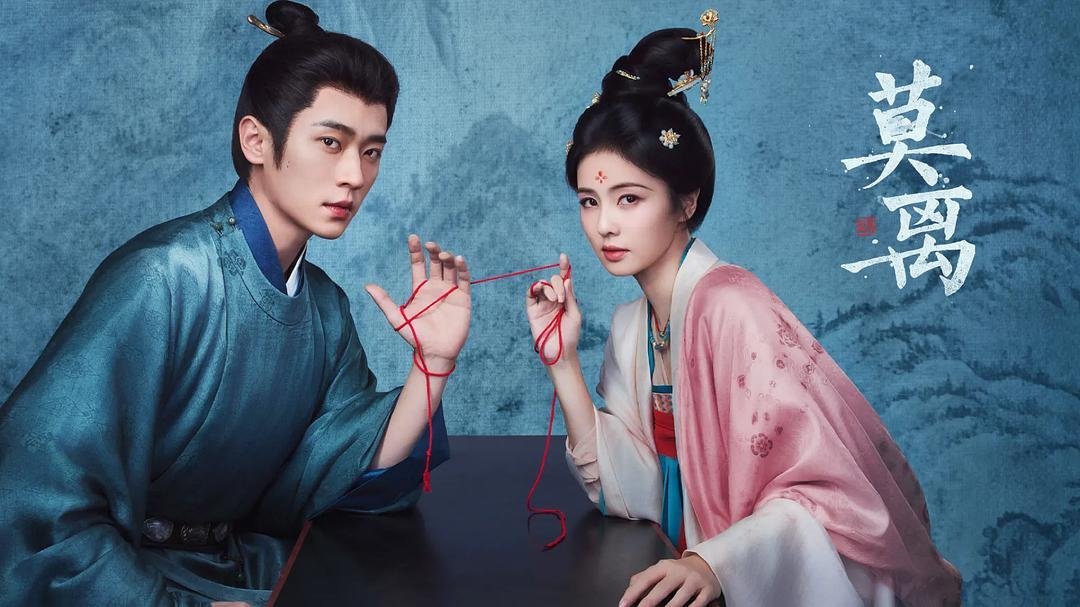
Drama Info
Drama title: The First Jasmine (Native title: 莫离)
Alternative title: Mo Li
Genres: Historical, Romance, Drama
Aired: 9 Jun, 2026 - 28 Jun, 2026
Episodes: 40 | Duration: 45 minutes
Directors: Lam Yu Fan (林玉芬) - chief, Leung Sing Kuen (梁胜权), Liu Zhi Jun (刘智君)
赵
Screenwriter: Xiao Xiang Dong Er (潇湘冬儿)
Adapted from the web novel "Sheng Shi Di Fei" (盛世嫡妃) by Feng Qing (凤轻).
Where to read the English-translated novel: MyDramaNovelWhere to watch: Disney+, WeTV, and Viki
OSTs
English-translated playlist: Peachey Blossom.
方寸之間 (“Within a Square Inch”) by Bai Lu (白鹿) and Cheng Lei (丞磊)
心世界 (“Inner World”) by Zhou Shen (周深)
Trailer
Synopsis
Confined to the mountains for eight years, Ye Li returns to the capital to marry the disabled Prince Ding, Mo Xiu Yao. Beneath the surface, she is a woman on a mission, methodically hunting those who destroyed her home. At the same time, her husband hides beneath his own facade, as he’s actually a strategist fueled by his own thirst for vengeance. As they navigate a treacherous court filled with the machinations of Prince Li—Ye Li’s childhood sweetheart who married her younger sister on the exact same day—the couple moves from mutual suspicion to a profound, life-altering partnership. Bound by secrets and dangerous ambitions, they must dismantle a web of conspiracies to secure the throne and restore peace – and might truly fall in love with each other in the process. (Source: Viki)
Characters
Relationship Chart
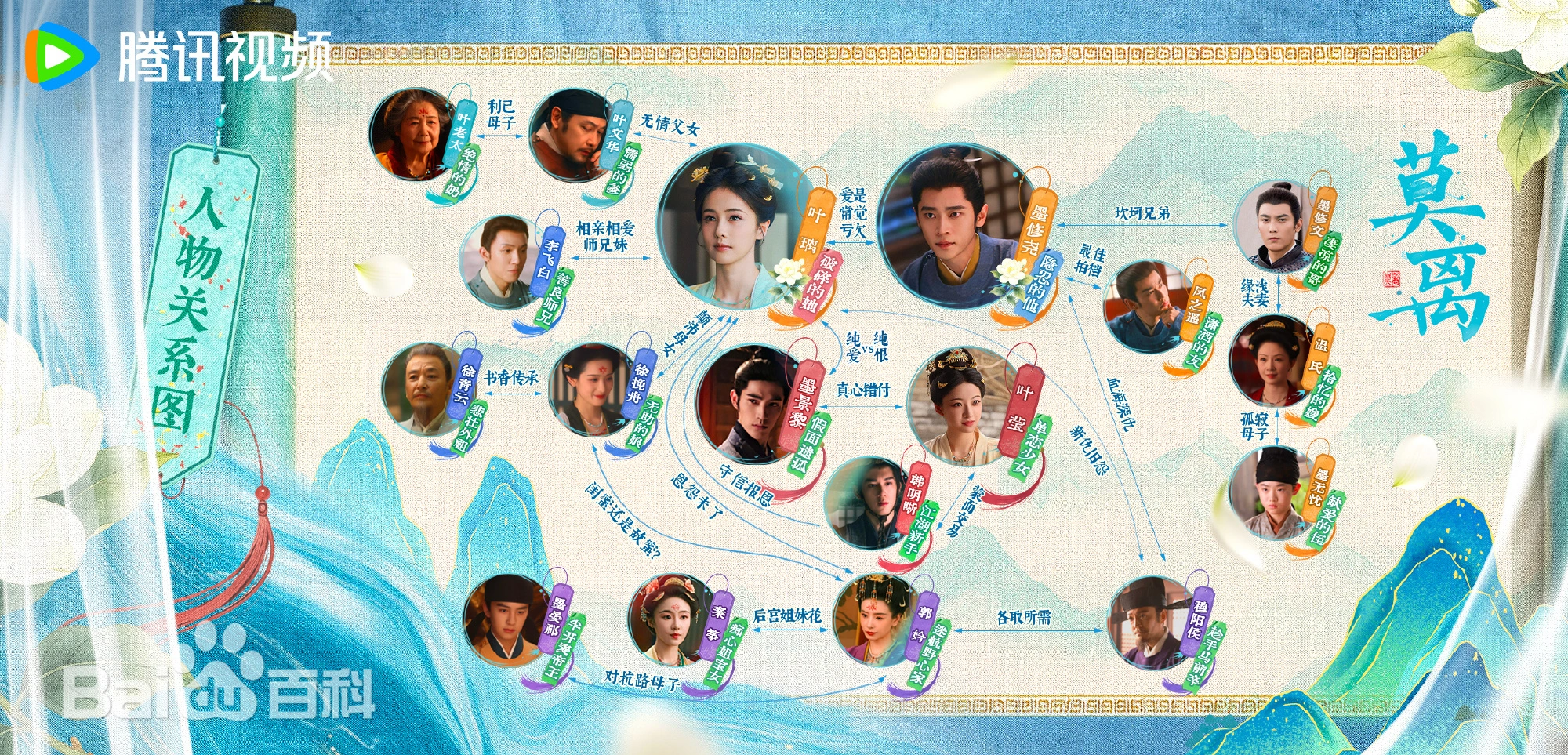
Main Characters
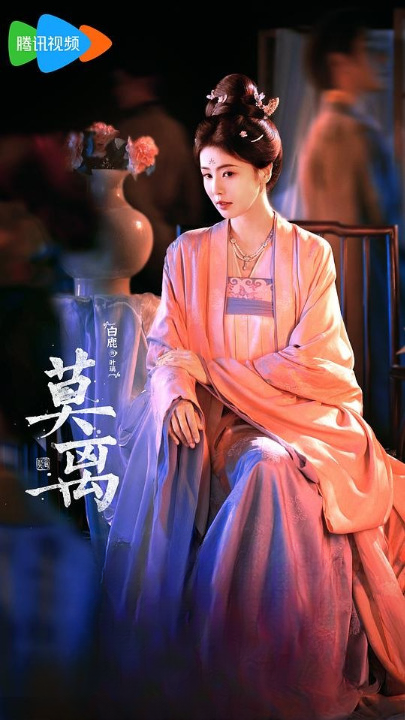
Bai Lu (白鹿) as Ye Li
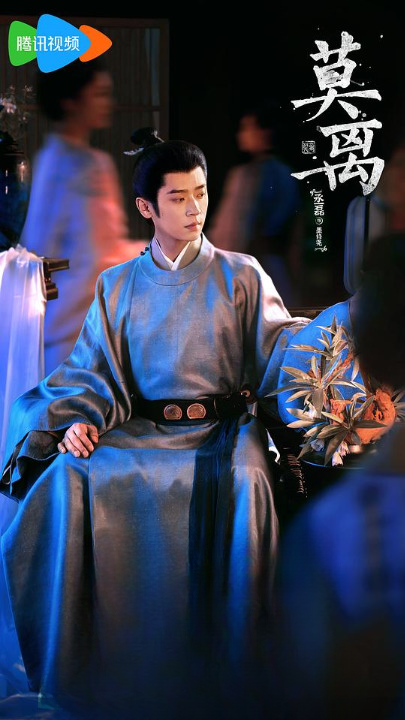
Cheng Lei/Ryan Cheng (丞磊) as Mo Xiu Yao
Supporting Characters
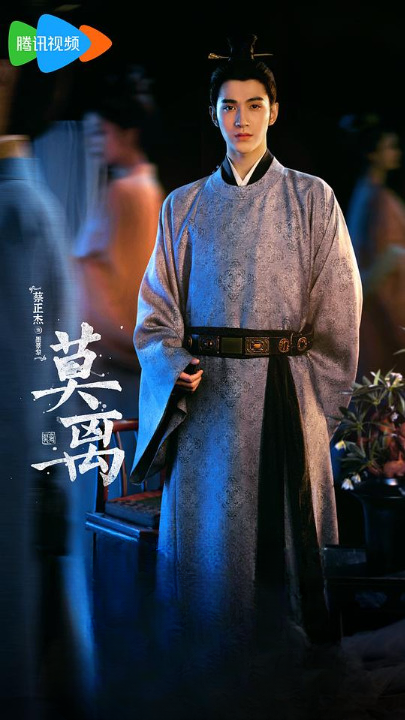
Mo Jing Li (Cai Zheng Jie) – Prince Li
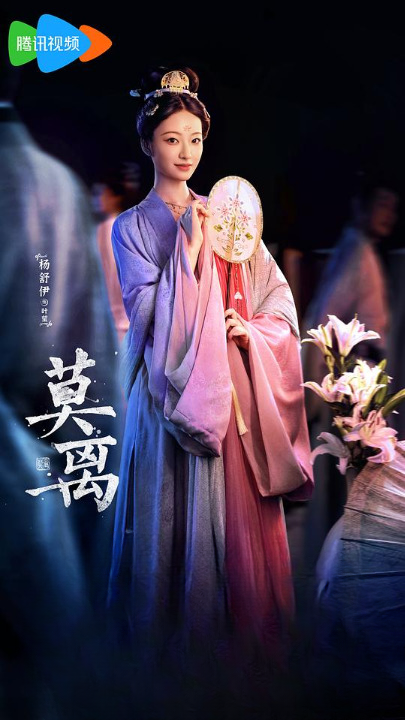
Ye Ying (Yang Shu Yi) – Ye Li’s sister
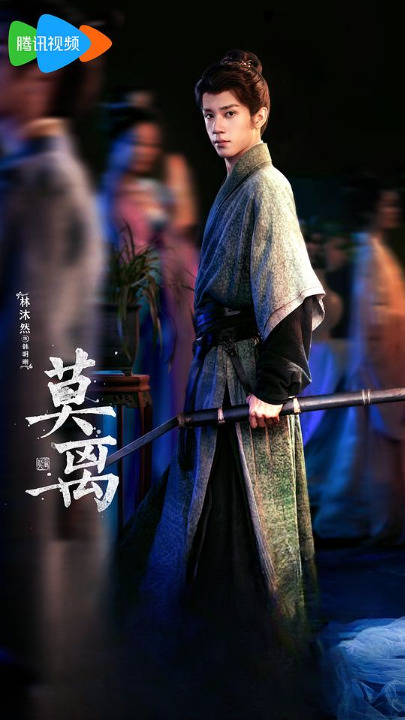
Han Ming Xi (Lin Mu Ran) – Ye Li’s follower
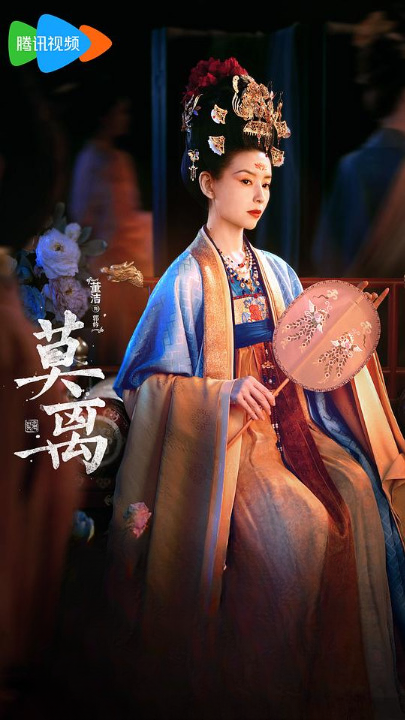
Guo Jin (Dong Jie) – Empress Dowager
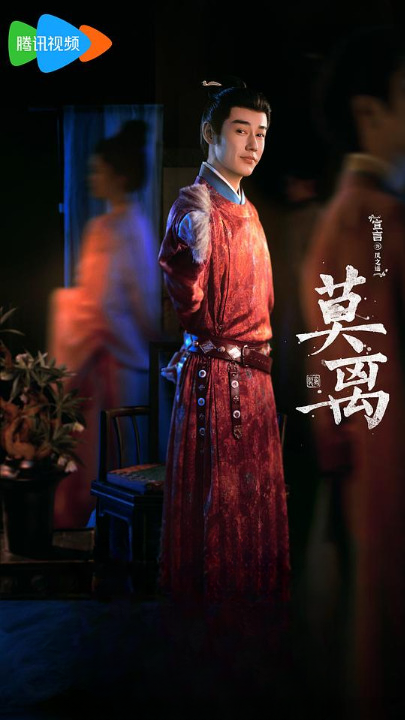
Feng Zhi Yao (Xuan Yan) – Mo Xiuyao’s friend
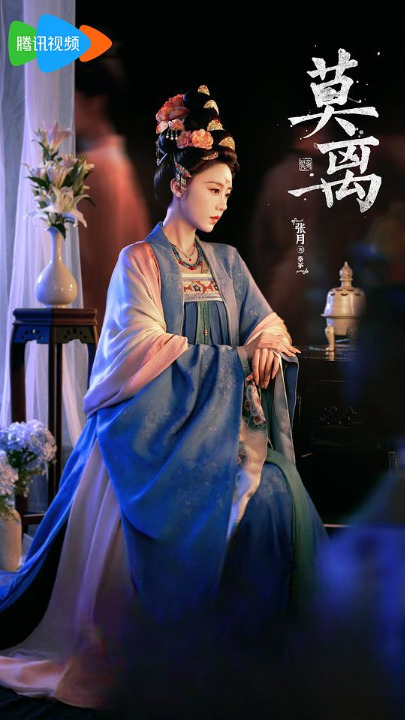
Qin Zheng (Zhang Yue) – Dowager Consort
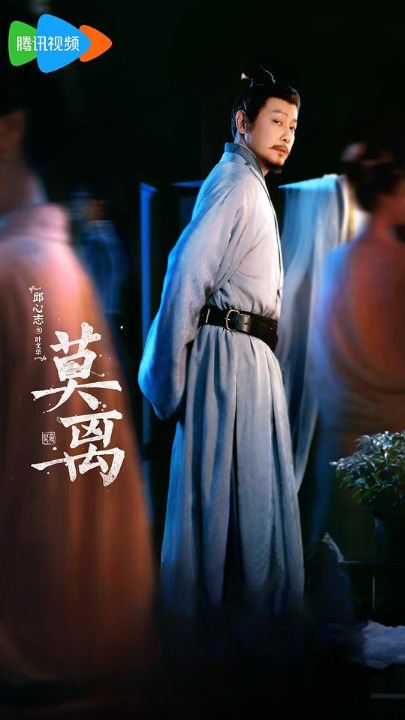
Ye Wen Hua (Qiu Xin Zhi) – Ye Li’s father
Why “First Jasmine”, “Mo Li”, “Never Part”?
The English title, The First Jasmine, is actually based on a Chinese wordplay. The original Chinese title is 莫离 (Mò Lí), which does not literally mean “jasmine.” Instead, it means something like “do not part” or “never leave.”
Here’s why it became “The First Jasmine”:
- 莫离 (Mò Lí) sounds almost identical to 茉莉 (mò lì, “jasmine”)
Although the characters are different:
莫离 (mò lí) = “do not leave” / “never part”
茉莉 (mò lì) = “jasmine”
The pronunciation is nearly the same (the tones differ slightly), so Chinese audiences immediately recognize the pun.
- The title also combines the leads’ names
Another layer of the title is that it joins the protagonists’ names:
墨修尧 (Mò Xiūyáo) → Mo (墨)
叶璃 (Yè Lí) → Li (璃)
Together they become Mo Li (莫离/墨+璃), symbolizing the couple.
- It references a famous Chinese saying
There’s a well-known phrase:
送君茉莉,愿君莫离
Sòng jūn mòlì, yuàn jūn mò lí.
Meaning:
“I give you jasmine, wishing we will never be apart.”
Notice how 茉莉 (jasmine) and 莫离 (never part) sound almost the same.
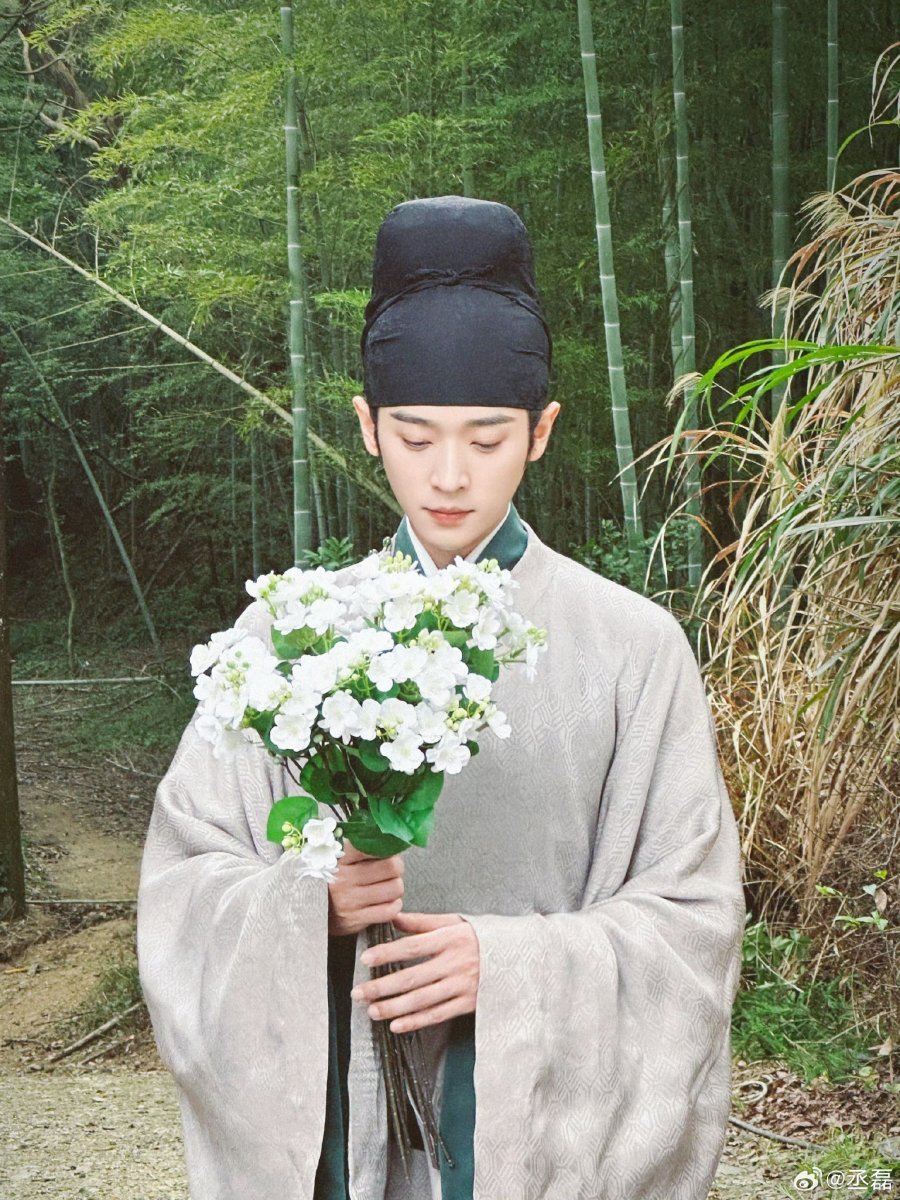
Why not just translate it as “Never Part”? “The First Jasmine” is more distinctive and more poetic. It also evokes the symbolism of the jasmine flower—purity, loyalty, enduring love, and remembrance—which aligns well with the story’s themes.
Review
Story and Plot
Story
The First Jasmine is more than a historical romance. At its core, it is a story about loyalty, partnership, and the determination to remain together despite political upheaval, war, betrayal, and personal sacrifice.
Romance
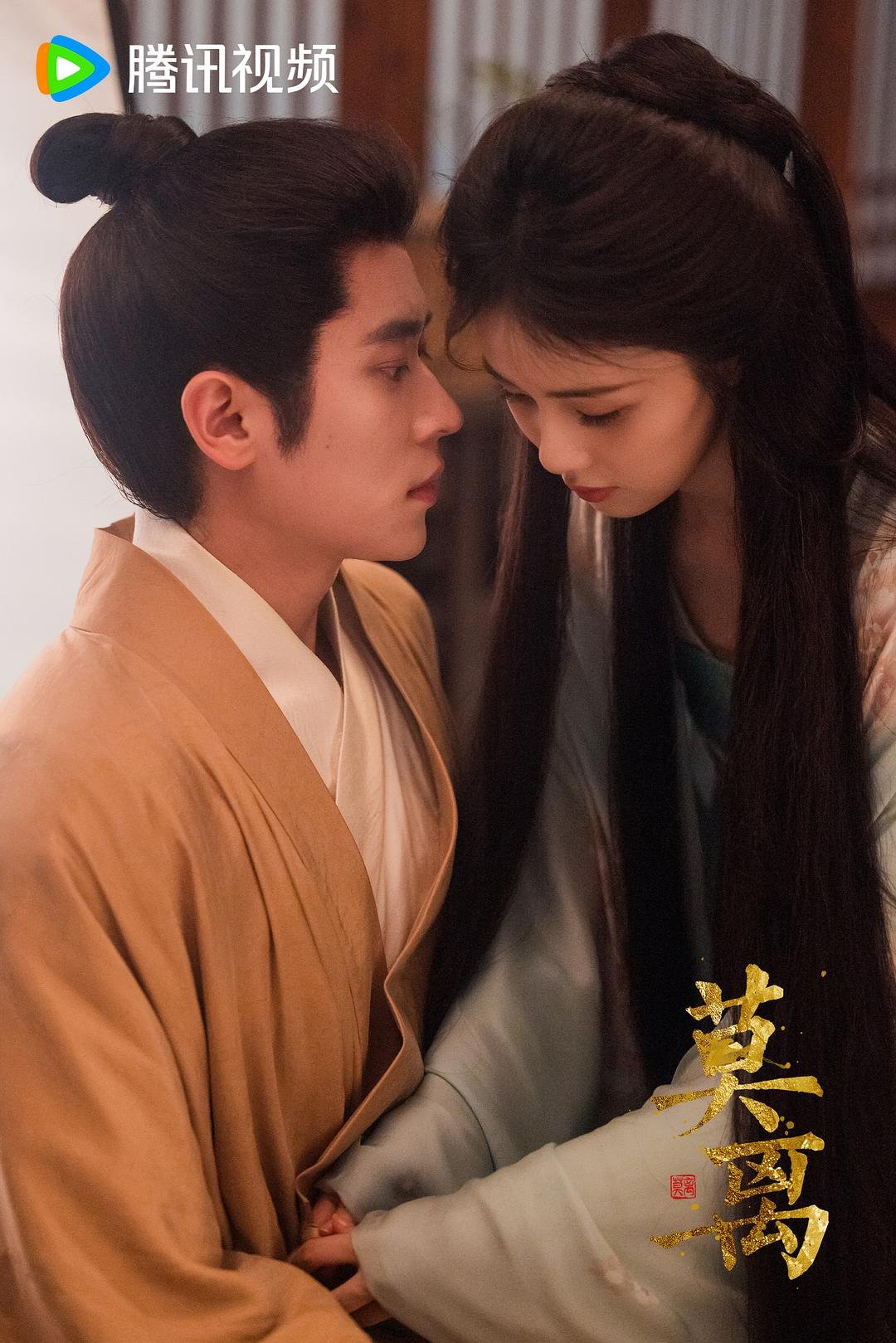
The romance in The First Jasmine is best described as mature, steady, and deeply rooted in trust rather than passion or dramatic tension. The emotional development is gradual. Ye Li and Mo Xiuyao don’t instantly become devoted spouses. They begin with caution and distance, then slowly learn to rely on each other.
Their romance is slow-burning, and it doesn’t rely on artificial obstacles. The barriers between them come from their personal histories, political pressures, and emotional wounds. The chemistry is warm rather than explosive. I wish there were more overt romantic scenes, though, like kissing scenes or bed scenes, since they’re a married couple!
Political
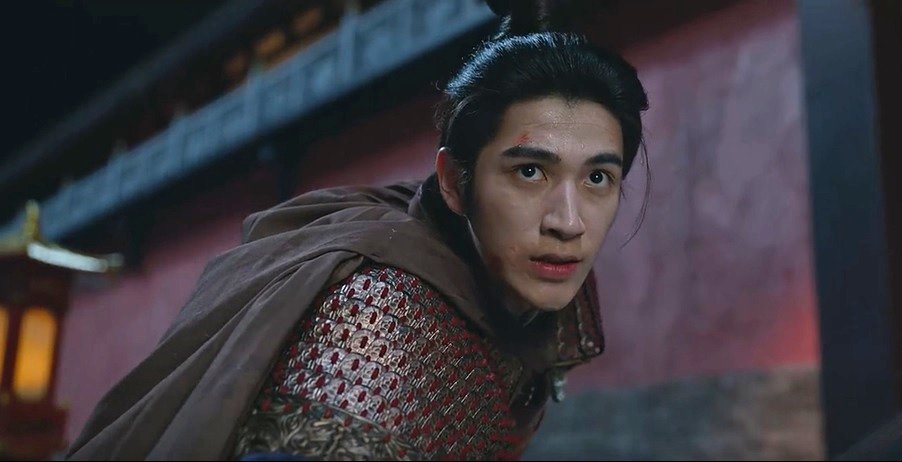
The palace politics are one of the drama’s strongest elements. They are palace politics are a driving force of the story and often feel just as important as the romance.
Few political characters are entirely good or evil. Most of them act according to self-interest, family loyalty, survival, or ambition. This creates believable conflicts. However, some minor political figures appear briefly yet carry major plot significance, requiring careful attention.
Plot
Rather than evaluating The First Jasmine solely as a romance, it’s more of a political epic with a central love story. The drama’s greatest strengths—and also most of its weaknesses—come from how it balances court intrigue, military campaigns, family politics, and romance.
Pacing
One of the most noticeable aspects of the drama is its uneven pacing.
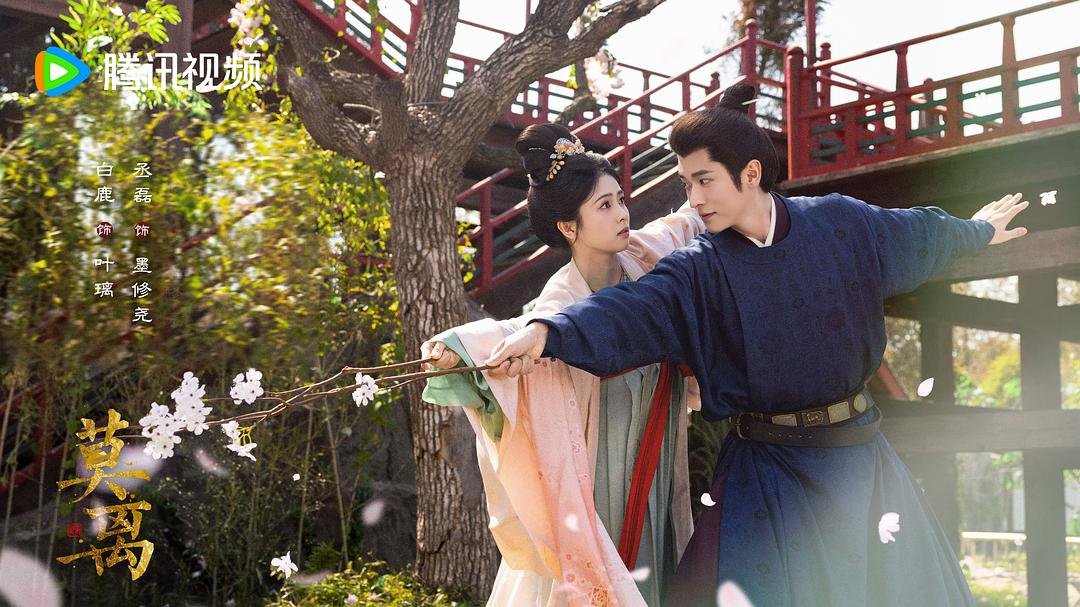
The early episodes are deliberately slow. The first portion invests heavily in the character introductions, world-building, Prince Ding Mansion, Ye Li and Mo Xiuyao’s marriage, and political factions.
The middle section is the strongest stretch. The plot constantly alternates between personal struggles, Ye Li and Mo’s blooming romance, court power struggles, and external conspiracies.
The final arc compressed problems. Numerous storylines converge simultaneously: Ye Li’s psychological issues, the past revelation of Lishan Academy, the royal succession conflicts, and the military campaign. As a result, some developments arrive faster than earlier storytelling.
Editing
The editing is efficient but occasionally abrupt. The editing generally maintains momentum despite the story’s complexity. Scenes rarely linger longer than necessary. Palace political scenes are intercut with non-political character interactions. This prevents political heavy episodes from becoming stagnant.
However, the transitions sometimes feel abrupt. For example, major events happen off-screen, travel feels instantaneous, and strategic developments skip important steps. Sometimes I felt a scene is missing between two narrative developments. This becomes more noticeable in later episodes when the story is covering large amounts of material.
Characterization and Acting
Ye Li and Mo Xiuyao undergo intense psychological and emotional arcs as they transition from a calculated political arrangement to a profound, life-altering partnership.
Characterization
Ye Li
Isolated for eight years in the mountains, Ye Li’s mental state is heavily fractured. She deals with severe complex trauma, including dissociation and hallucinations, most notably manifesting her deceased maid as an imaginary companion.
Beneath her fragile mental condition lies a hyper-intelligent, multifaceted strategist skilled in martial arts, medicine, astronomy, and psychological manipulation.
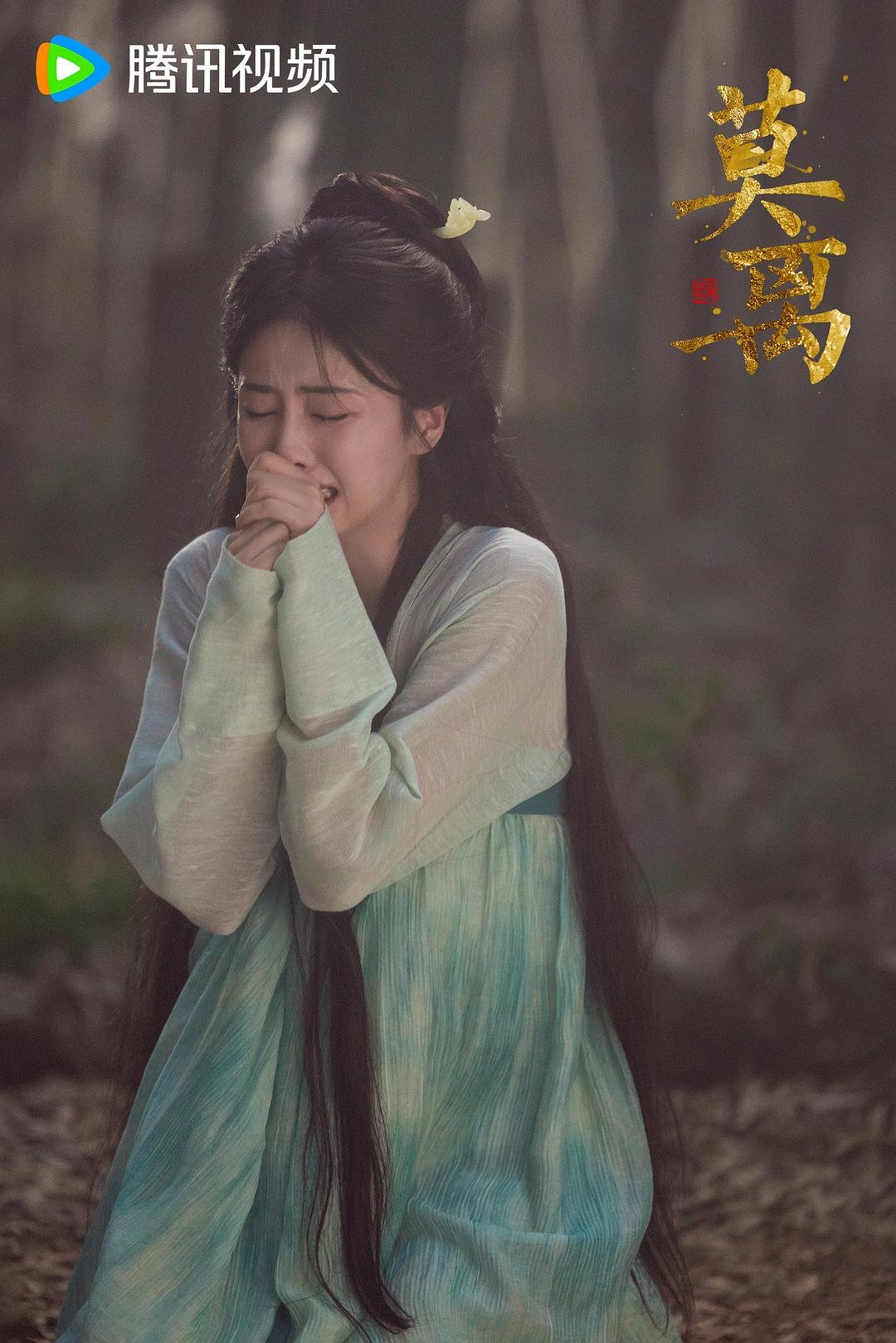
Her core motivation upon returning to the capital is hunting down the enemies who destroyed her home—Lishan Academy. Her method is highly calculated: she uncovers her target’s deepest weakness, finds the right weapon/person to exploit it, and strikes indirectly at the perfect moment.
Mo Xiuyao
Once a vibrant and strong strategist, Mo Xiuyao is initially handicapped—confined to a wheelchair and emotionally hollow, consumed by self-loathing, grief, and despair. However, after Ye Li healed him and released him from his tormentor, the original Mo Xiuyao is a brilliant tactician.
Supporting Characters
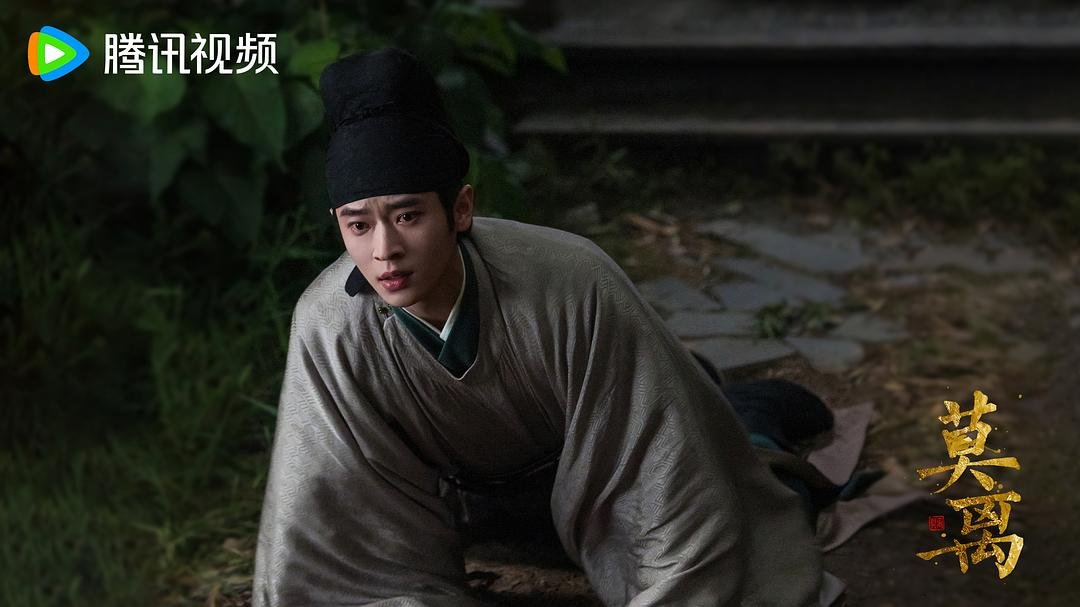
Unfortunately, the core of the drama relies entirely on the complex psychological interplay between Ye Li (with her severe trauma and dissociation) and Mo Xiuyao (with his physical handicaps and manic-depressive state). Because the show dedicates significant time to their mutual healing journey and slow-burn romance, there is little screen time left to explore the inner worlds of other characters, for example, Mo Jingli. He lives and dies solely as a third-wheeler and a villain.
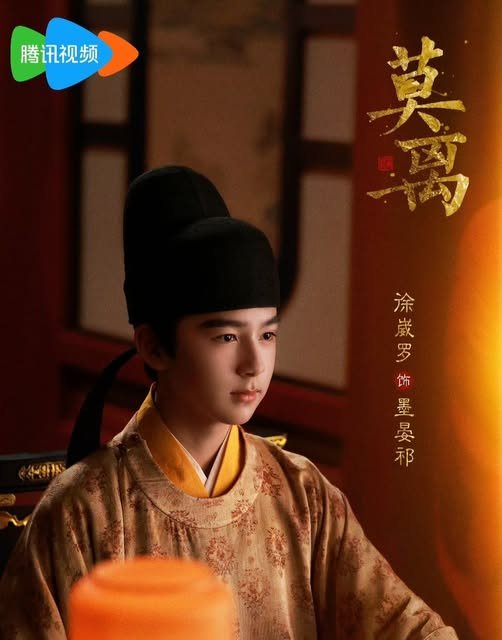
My favorite supporting character was actually the Young Emperor, Mo Yanqi, who serves as a vital anchor for the entire overarching political plotline. While the story fundamentally centers around the lead couple’s personal revenge, the Young Emperor’s struggle to claim true sovereignty forms the ultimate canvas for the imperial power dynamics. Placed on the throne at a very vulnerable age, his authority is severely limited by his ambitious mother, the Empress Dowager, Guo Jin, and the corrupt but powerful minister, Marquis of Muyang.
Acting
Bai Lu
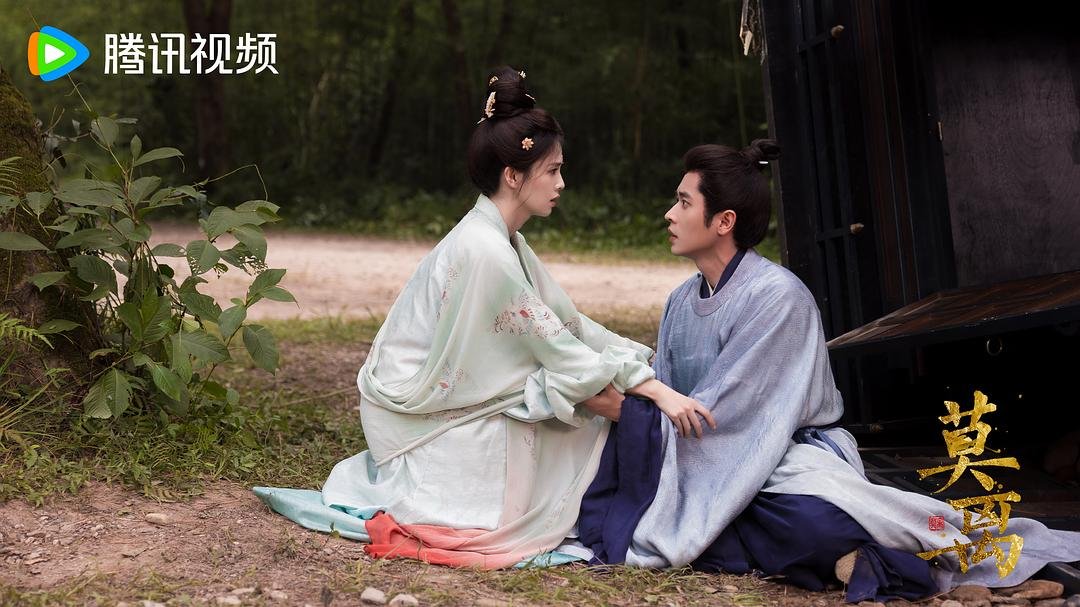
In my opinion, Bai Lu brilliantly captures Ye Li’s emotional duality. On the surface, she plays the obedient, gentle, and vulnerable traditional wife. Beneath that facade, her posture, cold micro-expressions, and calculated line delivery reveal a highly dangerous strategist obsessed with revenge.
I also commended Bai Lu’s ability to portray Ye Li’s complex trauma, severe dissociation, and fractured mental state without resorting to over-the-top melodrama. Her delivery gives the character a profound, quiet strength.
Cheng Lei
Confined initially to a wheelchair, Cheng Lei had to rely heavily on his upper body language and highly expressive eyes. Unlike a super strong and unshakeable C-drama general, Cheng Lei balances Mo Xiu Yao’s broken, self-loathing internal state with flashes of sharp, tactical brilliance. He excels in scenes where his tough, defensive shell cracks, infusing the character with a charming, vulnerable, and slightly flustered demeanor around Ye Li.
Other supportive acting
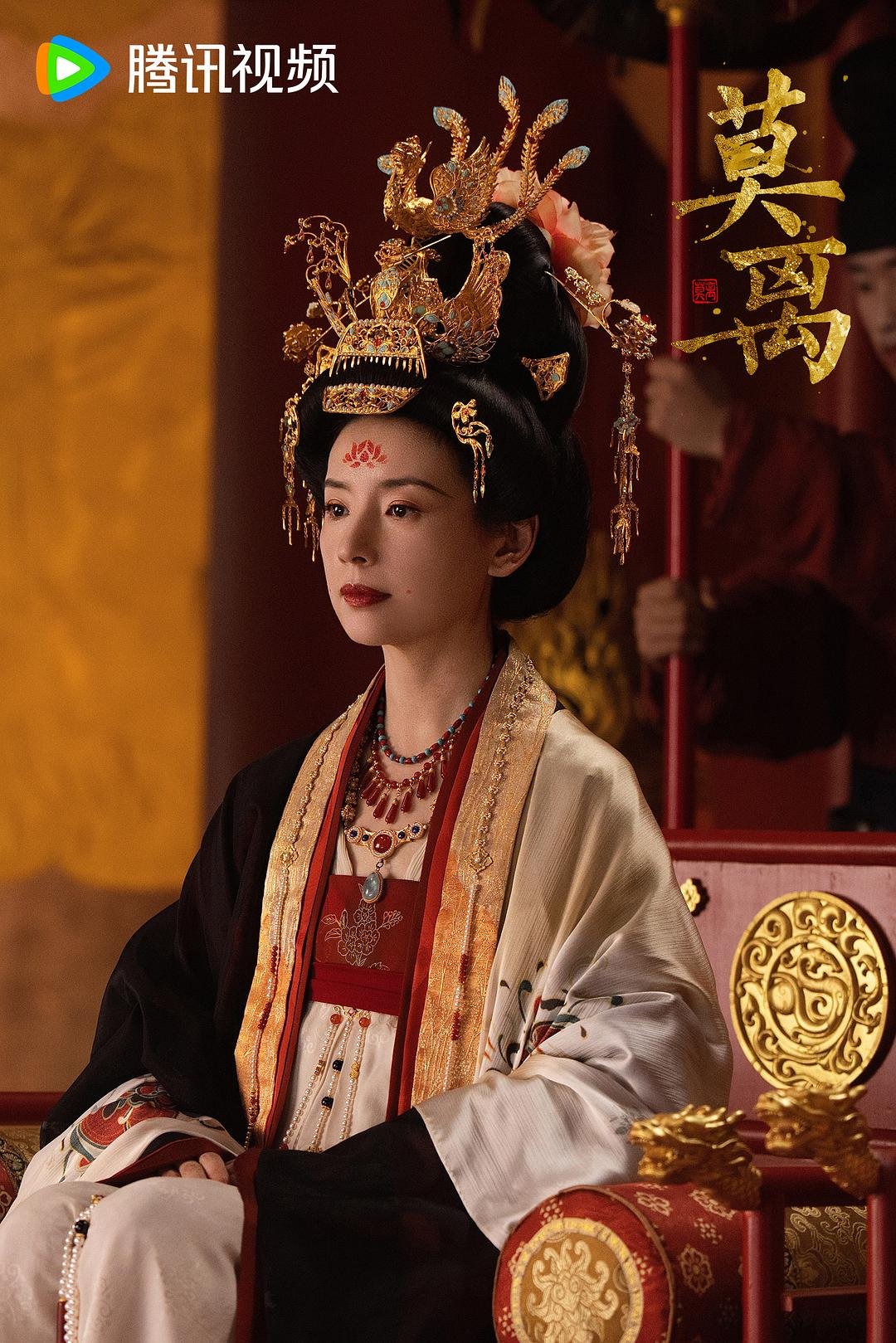
Veteran actress Dong Jie delivers a masterclass in regal intimidation as the Empress Dowager, Guo Jin. She dominates her scenes entirely through rigid posture, a sharp gaze, and a deliberate, ice-cold line delivery. Rather than shouting, she conveys the Empress Dowager’s intense paranoia and cruelty through quiet, calculated whispers. Her performance anchors the severe stakes of the imperial court.
Visuals
Cinematography
The cinematography of The First Jasmine is less concerned with creating a fairy-tale romance and more focused on conveying power, distance, and emotional restraint. It supports the story’s mature tone by favoring elegant composition and character-focused framing over flashy visual spectacle.
Unlike many historical C-dramas that feature vibrant, brightly lit backdrops, The First Jasmine utilizes a toned-down, muted, and slightly grey color palette. This choice enhances the dark, revenge-focused tone and the murky court politics.
The battle scene is somewhat of a weakness in visual design. They’re described as big-scale, but exceed the production’s visual resources. The script sometimes suggests enormous military campaigns that the camera cannot fully realize. They rely heavily on dialogue rather than on conveying scope. I think this is more of a budget issue than a cinematography issue, but it affects the overall visual impact.
Costume, Makeup, Props, Set Design
The visual presentation of The First Jasmine shifts away from standard, hyper-saturated fantasy trends, opting instead for a grounded and atmospheric aesthetic. The production design generally prioritizes character, status, and atmosphere over pure visual extravagance. The costumes, makeup, props, and sets work together to support the story’s realism and mature tone.
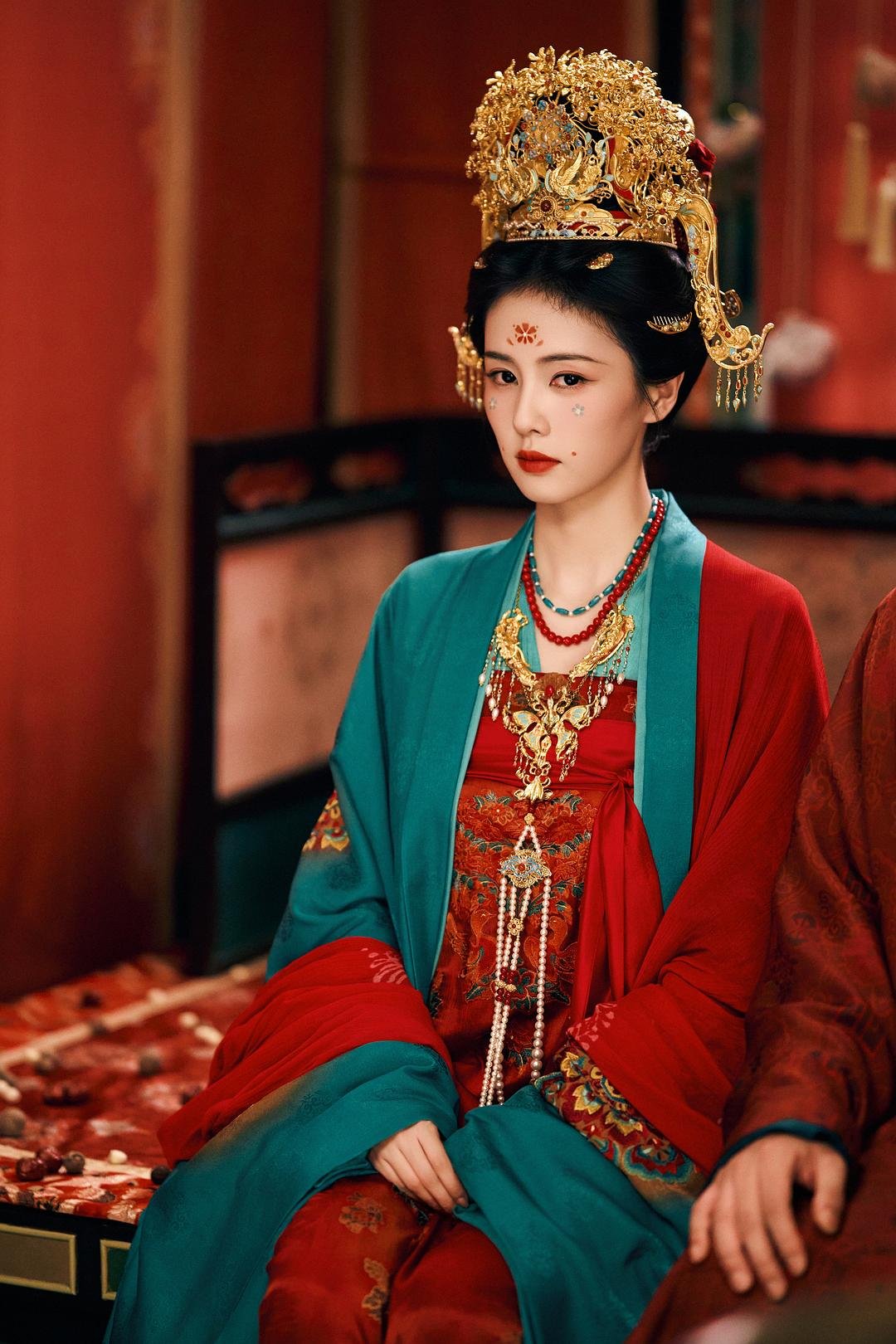
However, Chinese historical costume analyses of Newhanfu point out that the drama features a noticeable historical mismatch in Ye Li’s makeup on her wedding. She wears Mian Ye (面靥)—decorative floral dots applied to the cheeks. However, the show pairs an early Tang/Wu Zhou costume silhouette with a complex, flamboyant Mian Ye style that actually belongs to the much later Five Dynasties period.
My Rating
I used my rating system with additional scores of:
- + 0.5 for the mature romance
- + 1.0 for the interesting characterization and the great acting of the leading and supporting characters.
- + 0.5 specifically for Ye Li’s unique characterization and Bai Lu’s acting.
- + 1.0 for the grounded cinematography and visual design
Total rating 9.0/10.
Conclusion
When I first started The First Jasmine, I expected a historical romance with palace intrigue and a strong female lead. What I didn’t expect was how deeply invested I would become in Ye Li and Mo Xiuyao’s journey—not because of dramatic confessions or sweeping romantic gestures, but because of the quiet, unwavering trust they built together.
What stayed with me long after the final episode wasn’t a particular battle or political scheme. It was the feeling of watching two people choose each other, again and again, through every hardship. Their relationship felt refreshingly mature, grounded in respect, understanding, and partnership.
In the end, The First Jasmine lives up to the meaning of its title, Mo Li—”Never Part.” It is a story about standing beside someone not only during moments of happiness, but also through uncertainty, sacrifice, and change. For me, that’s what made the romance so memorable and why this drama will remain one of the most meaningful historical love stories I’ve watched.
Spoilers
What is the ending? [short answer]
Happy ending
How does the drama end? [long answer]
Overall, a wholesome happy ending. Mo Xiuyao quelled the rebellion led by Mo Jingli, and Mo Jingli was killed. The Empress Dowager died from illness—no, Ye Li didn’t kill her, although she had her chances. The Lishan Academy reopens.



Thank you. I agree, enjoy and find your recaps and assessment helpful.
You’re welcome! I’m glad you enjoyed the recap, as you’ve enjoyed the drama!