Introduction
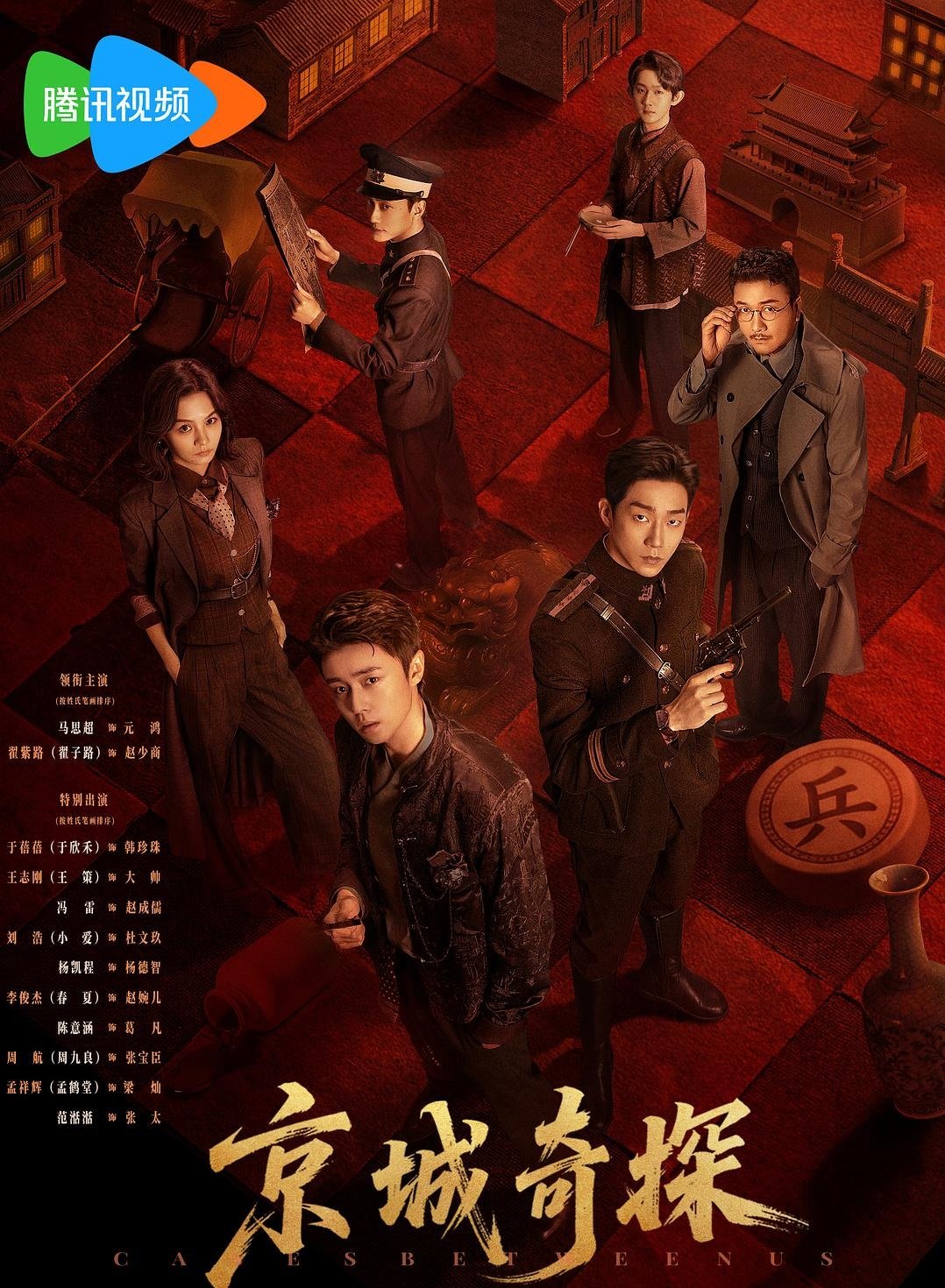
With so many historical mysteries and detective dramas out there, Cases Between Us stands out, thanks to the fun chemistry between its two unlikely investigators and the drama’s colorful Republican-era backdrop. Mixing mystery, humor, and suspense, the series follows Zhao Shaoshang and Yuan Hong as they tackle a string of strange cases, only to discover that each one is connected to bigger secrets lurking beneath the streets of old Beijing.
Drama Info
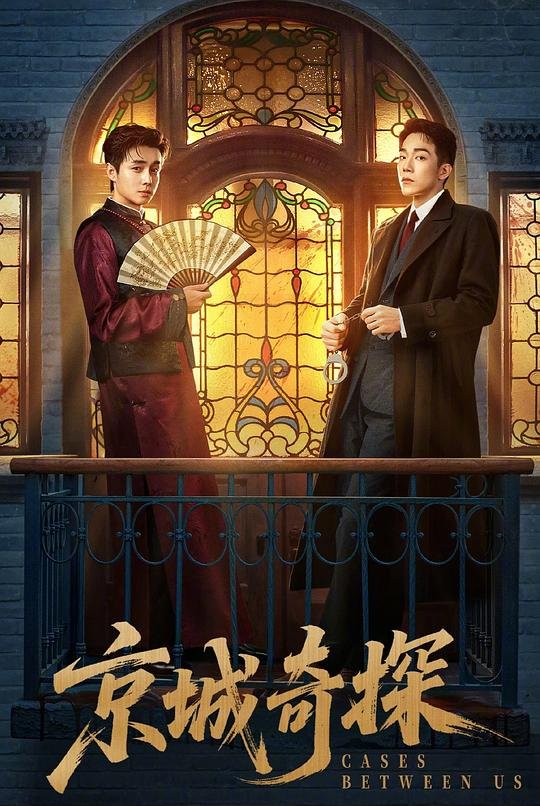
Drama title: Cases Between Us (Native title: 京城奇探)
Alternative title:  Jing Cheng Qi Tan
Genres: Thriller, Historical, Mystery, Drama
Aired: 5 Jul, 2026 - 18 Jul, 2026
Episodes: 36  |  Duration: 20 min.
Director: Qie Guo Wei (郄国伟)
Screenwriters: Wang Qian Yue (王千月), Ma Li Ling Shan (马李灵珊), Cheng Ming Kang (程明康), Wang Ruo Fan (王若璠), and Zuo Yu (左煜)

Where to watch: WeTV
Trailer
Synopsis
Two young men, Zhao Shaoshang and Yuan Hong, come from vastly different educational and family backgrounds. Through one case after another, they learn from each other and grow together. In a sweeping era of change, they become the most brilliant crime-fighting duo. (Source: WeTV)
Characters
Main Characters

Zhai Zi Lu (翟子路) as Zhao Shao Shang
A wealthy, carefree young man with a deep interest in traditional culture.
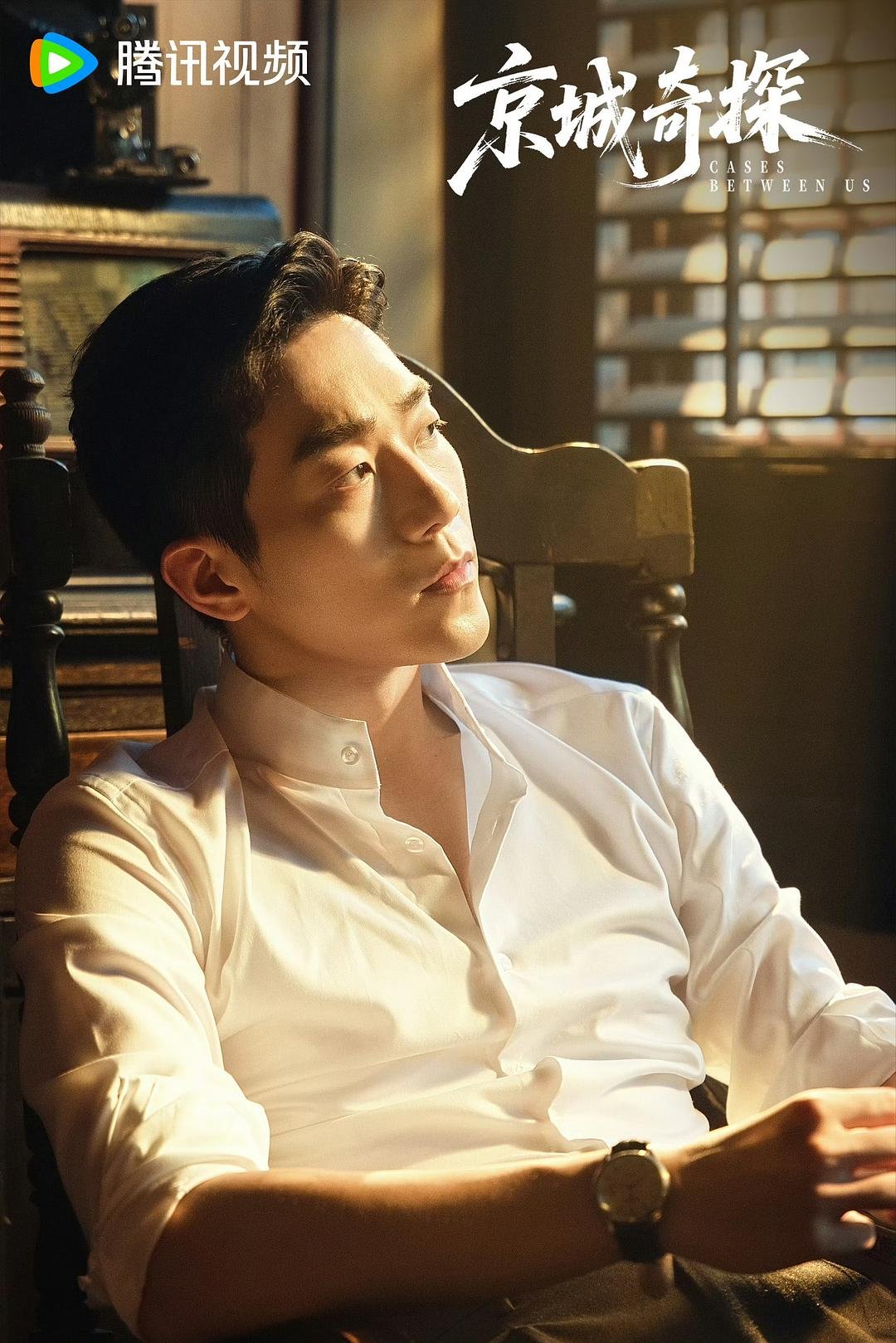
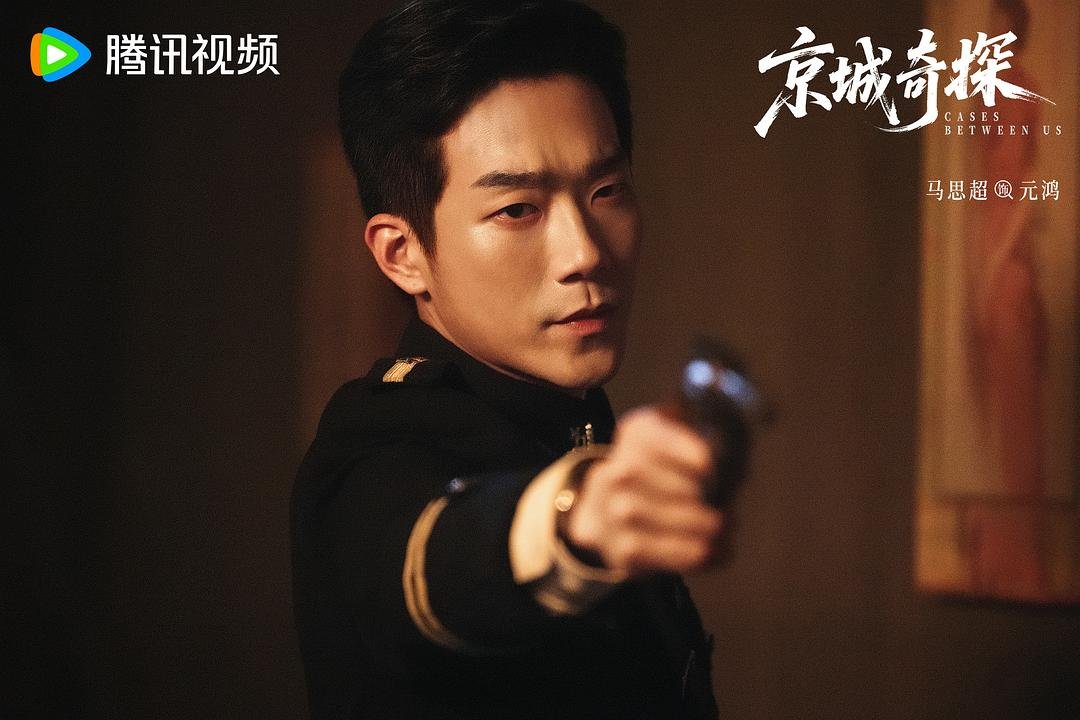
Kido Ma/Ma Si Chao (马思超) as Yuang Hong
A cool-headed detective who returned from overseas and serves in the police department.
Supporting Characters
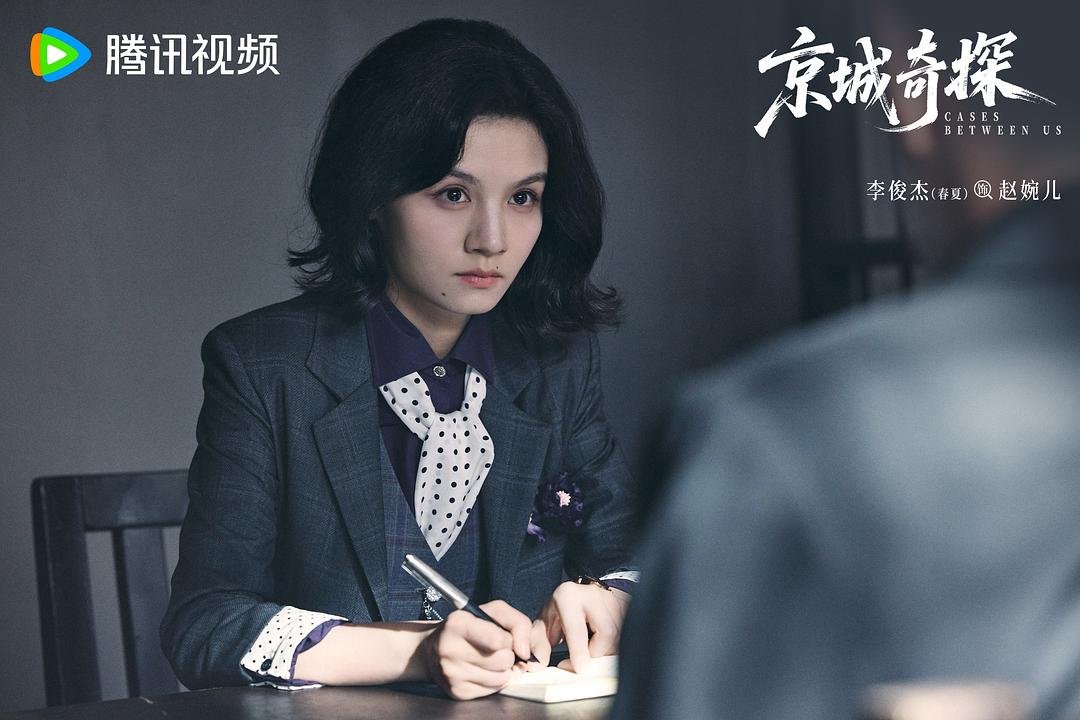
Zhao Wan Er (Jessie Li) – Zhao Shao Shang’s sister, reporter
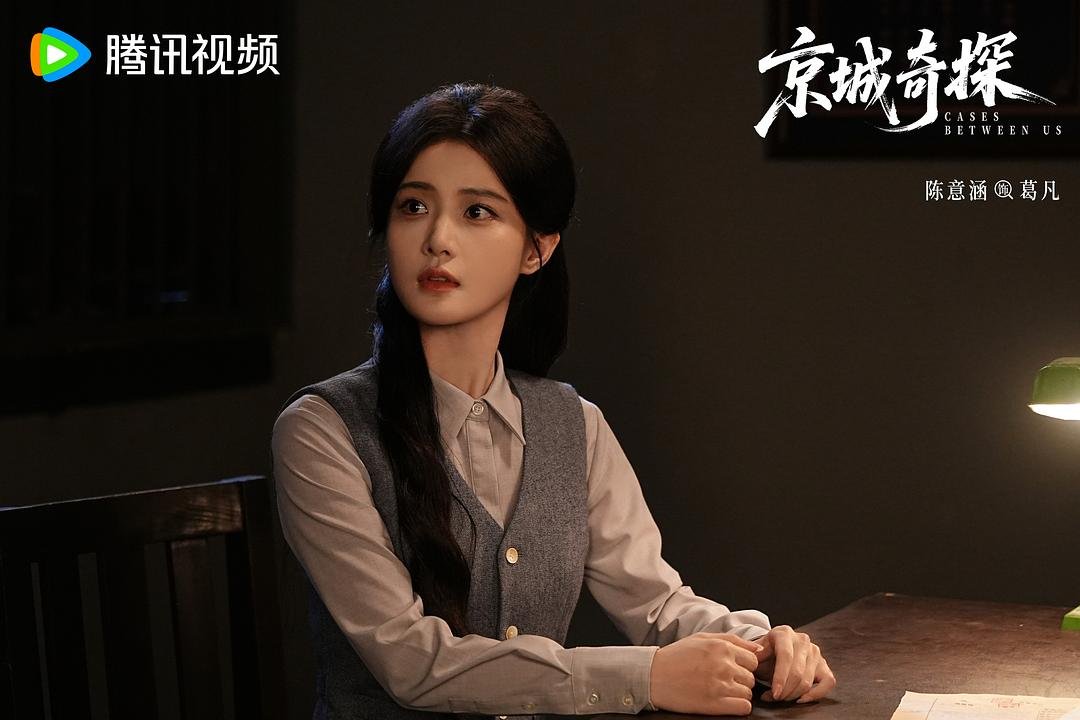
Ge Fan (Estelle Chen/Chen Yi Han) – clinic doctor
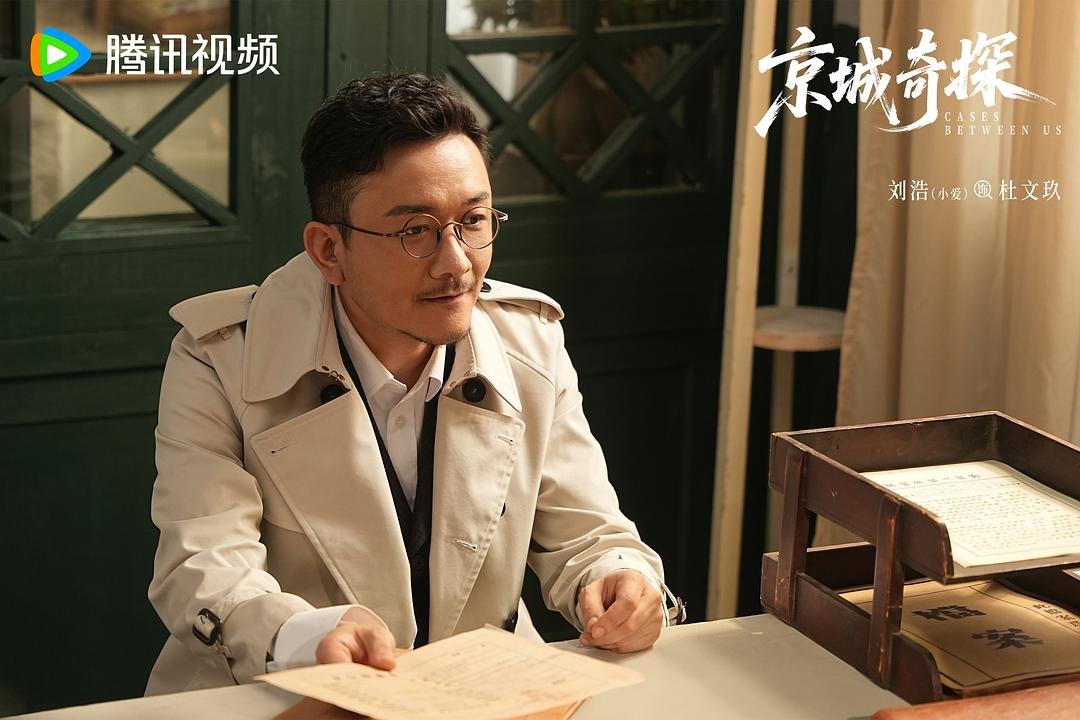
Du Wen Jiu (Xiao Ai) – forensic examiner
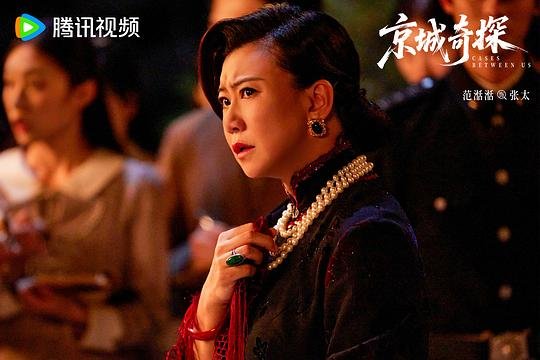
Mrs. Zhang (Fan Tian Tian) – Cheng Cai’s mother
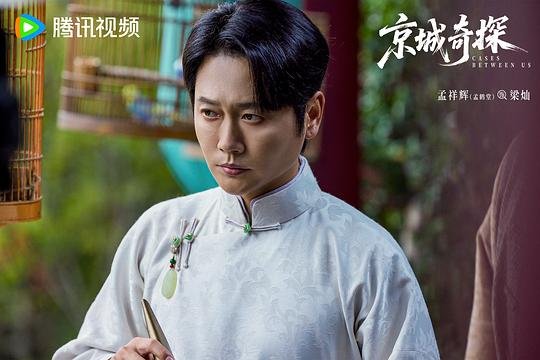
Liang Can (Meng He Tang) – mysterious figure
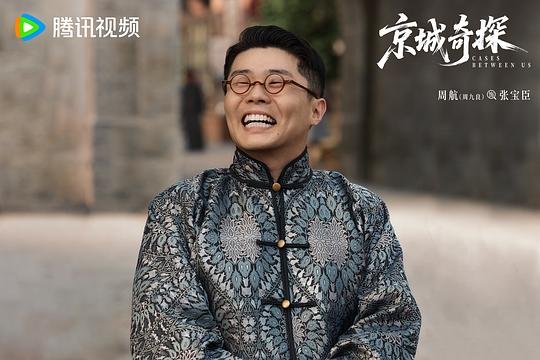
Zhang Bao Chen (Zhou Jiu Liang) – Cultural relics expert
Review
Story and Plot
Story
What makes Cases Between Us stand out from the average Chinese detective dramas is that the cases aren’t just there to provide a mystery. Each investigation offers a glimpse into the social, political, and moral issues of Republican-era Beijing. Through its crimes and suspects, the series explores themes like power, corruption, class divides, and the often complicated nature of justice.
As the series progresses, the cases become less about “Who done it?” and more about “Can justice actually be achieved?” Several investigations reveal that exposing the truth doesn’t automatically punish the guilty. Wealth, political influence, and social status frequently interfere with the legal process. This recurring theme gives the drama more depth than a typical crime procedural.
One of the strongest aspects of the writing is how it handles victims. Many cases aren’t simply puzzles to solve. They’re tragedies with long-lasting consequences. Even after the culprit is caught, the damage often remains: broken families, lost lives, lifelong trauma. The show repeatedly reminds us that solving a case isn’t the same as healing the people affected by it.

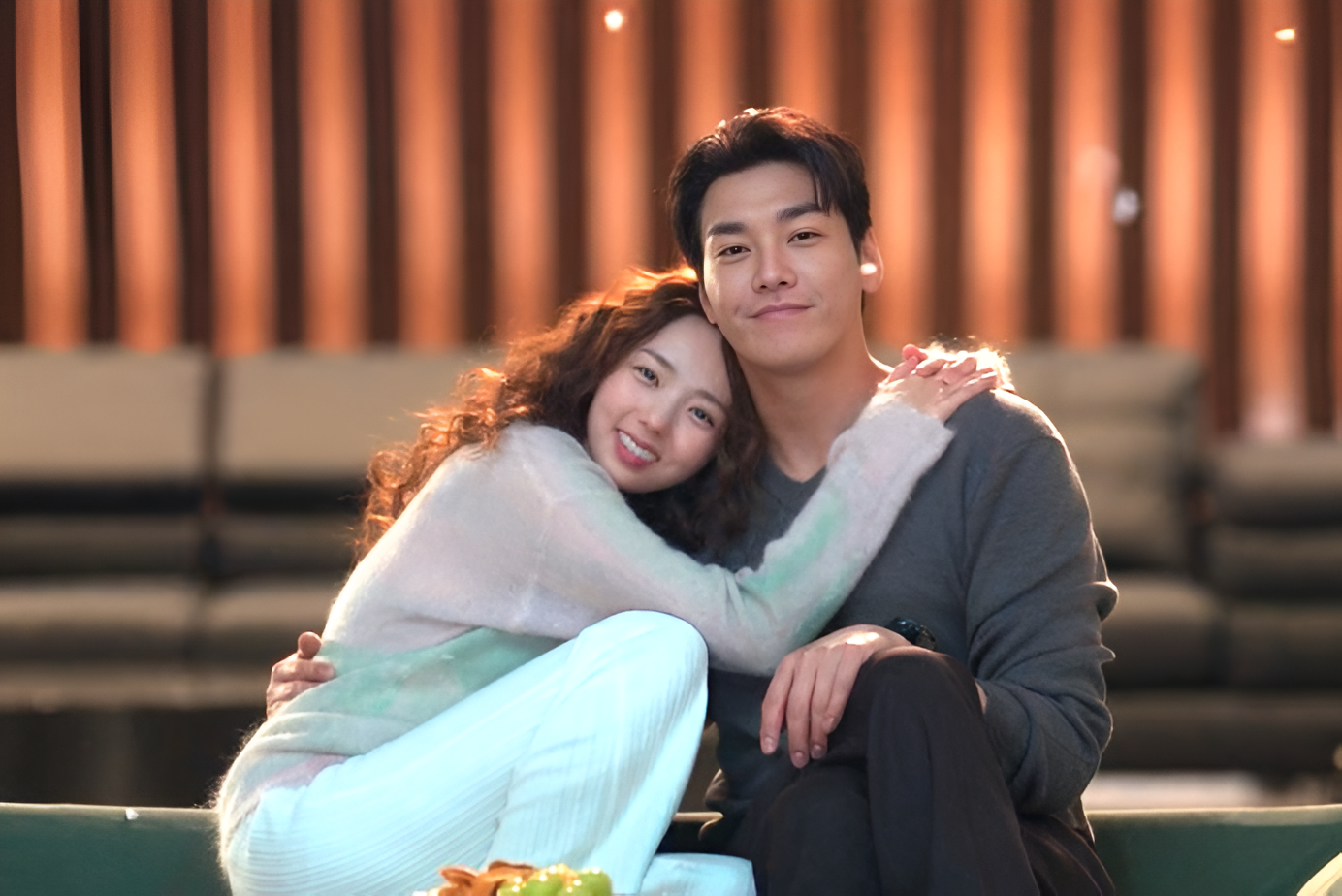
Doctor Ge Fan (Estelle Chen) encounters gender inequality in practicing medicine.
Plot
At first, Cases Between Us looks like a typical detective drama: a series of crimes, mysterious suspects, hidden clues, and a final truth waiting to be uncovered. But as the story progresses, it becomes clear that the cases are actually just a way to explore something bigger.
The individual cases are where the drama shows its variety. Some cases are simple mysteries, while others explore deeper social problems—corruption, power imbalance, wealthy people escaping punishment, and ordinary people struggling to get justice. The best cases are not just about catching criminals; they make viewers question whether the system itself is fair.
However, the plot structure also creates some weaknesses. Because the drama follows a “case-of-the-week” format, the quality of the mysteries is uneven—because they are written by different screenwriters, perhaps? Some cases are clever and emotionally powerful, while others feel predictable. There are moments when I could guess the answer too early, which reduces the suspense.
The biggest weakness of the story is that its episodic format occasionally works against it. Some cases are excellent and emotionally memorable, while others feel like they exist mainly to fill time between major plot developments. A few supporting characters also seem poised for larger roles before being pushed to the sidelines by a new case.
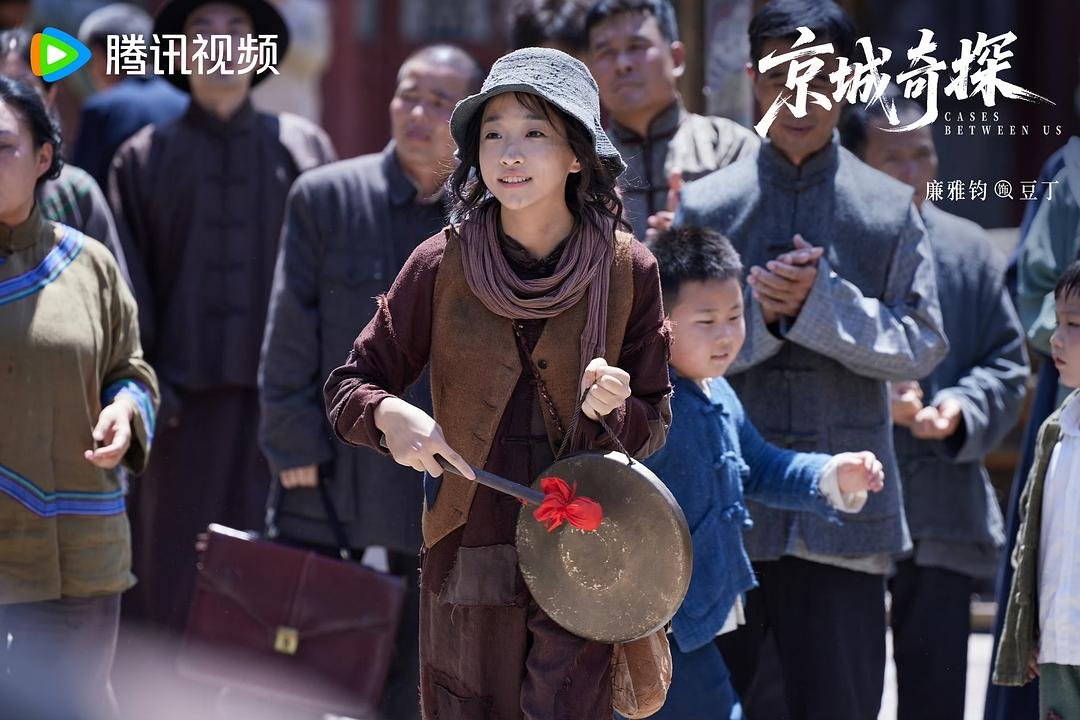
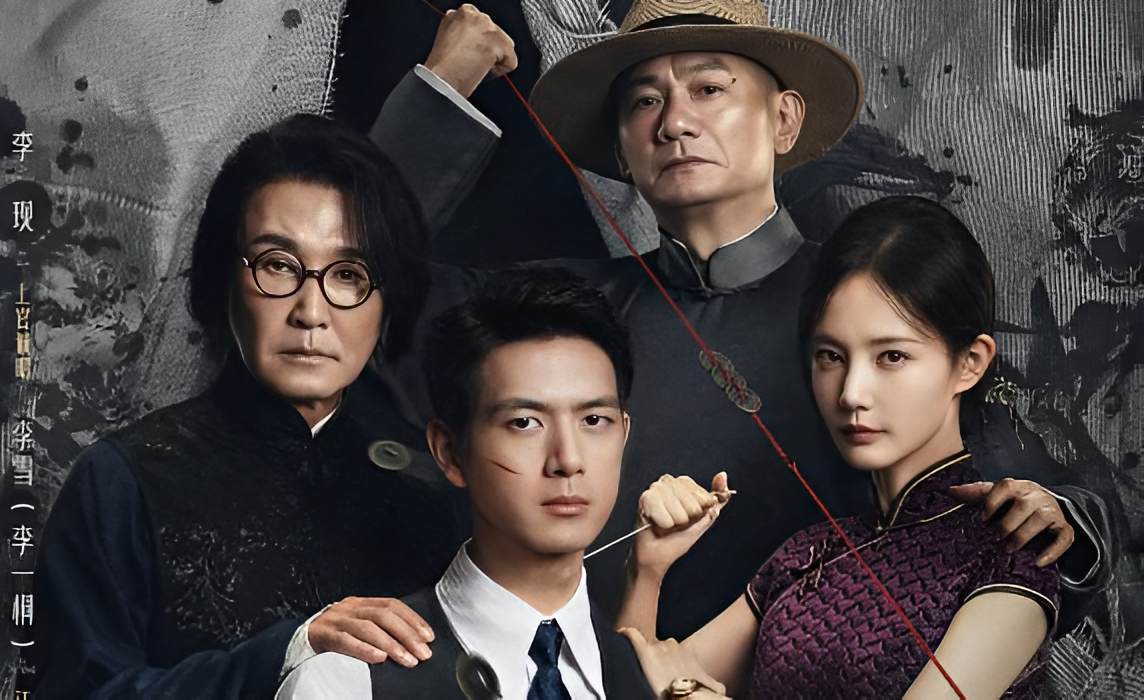
Dou Ding (Lian Ya Jun), a street kid
Ending
While Cases Between Us delivers an enjoyable ride, the ending is a bit disappointing for me—not because it is bad, but because the buildup creates expectations that the finale doesn’t fully satisfy.
Throughout the drama, the cases gradually point toward a larger conspiracy. The audience spends dozens of episodes following clues, uncovering hidden connections, and watching Zhao Shaoshang and Yuan Hong slowly get closer to the truth. Because of that long buildup, I naturally expected the final arc to deliver a powerful payoff: a clever mastermind reveal, a dramatic confrontation, or a satisfying sense that justice has finally prevailed. Instead, the conclusion takes a much quieter route. The final villain and the larger conspiracy do not feel as impactful as the journey suggests. After watching Zhao Shaoshang and Yuan Hong overcome so many difficult cases, the ultimate conflict feels somewhat average.
If you’re curious how the drama ends, with a long answer/spoiler, you can take a peek at the end of this article.
Characterization and Acting
Characterization
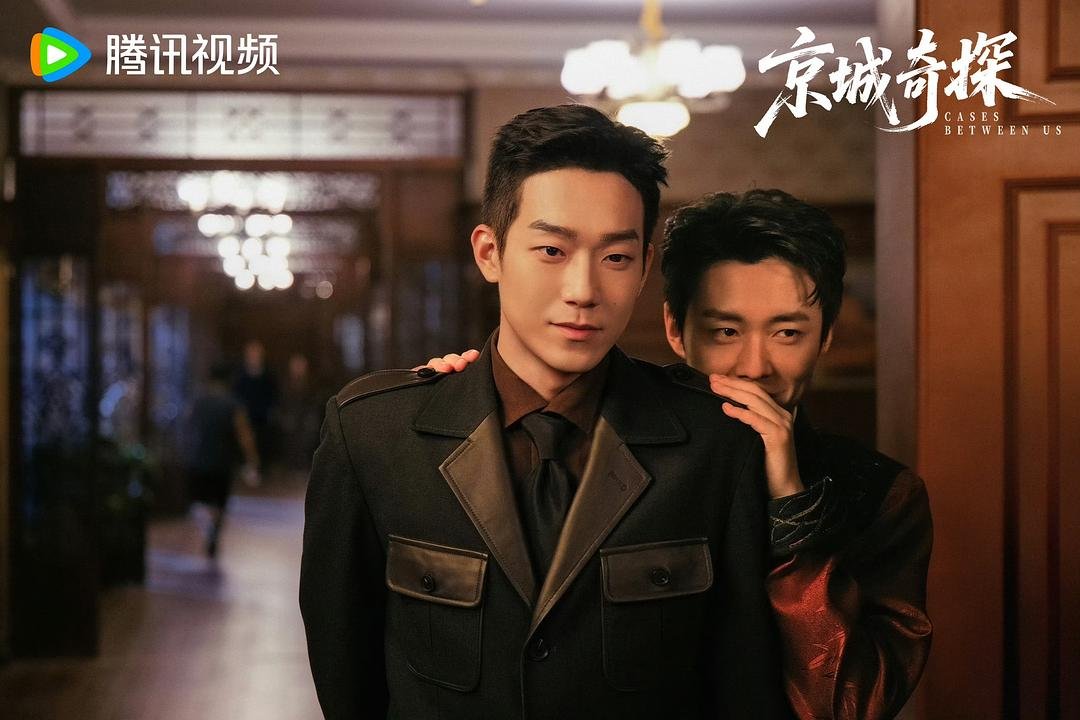
The biggest reason to watch Cases Between Us is the dynamic between Zhao Shaoshang and Yuan Hong.
The two couldn’t be more different. Zhao Shaoshang is playful, impulsive, and flexible, while Yuan Hong is calm, disciplined, and prefers to do things by the book. Their contrasting personalities lead to plenty of entertaining banter and disagreements, but those moments also help build a genuinely compelling partnership.
As they take on more dangerous cases, their relationship develops in a natural and believable way. Over time, they learn to trust each other and make the most of their different strengths instead of constantly butting heads. Watching their friendship grow is one of the most rewarding parts of the series and a big reason why they stand out as such a fun detective duo.
Acting
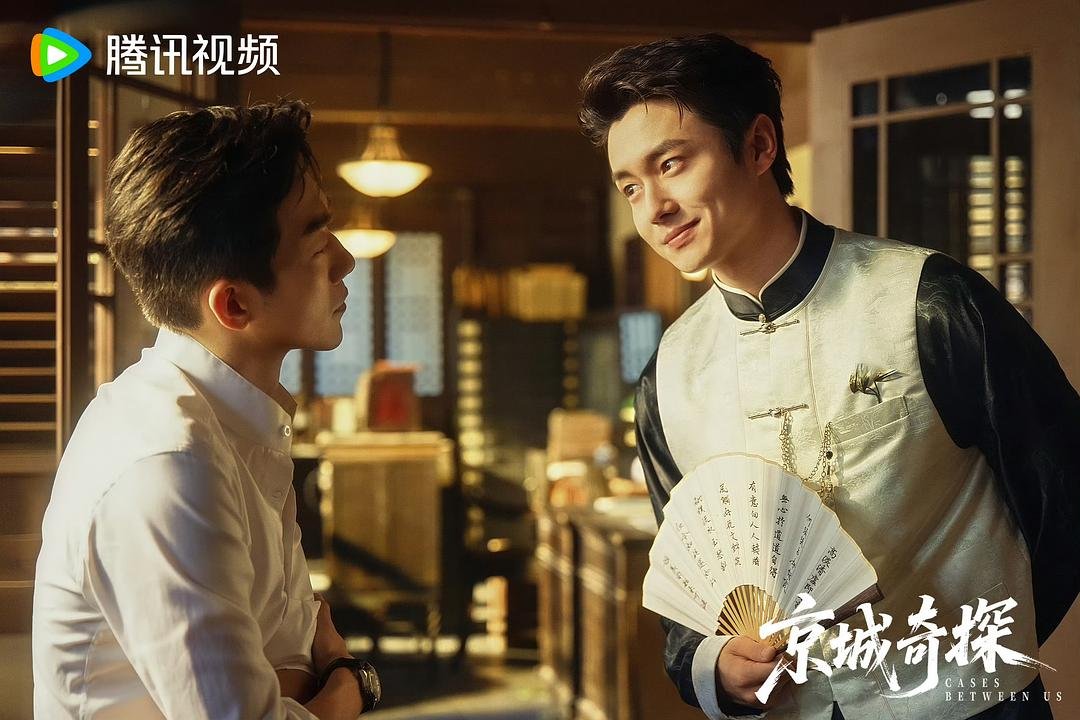
Zhai Zi Lu as Zhao Shaoshang
Zhai Zi Lu carries much of the show’s energy. Zhao Shaoshang is clever, mischievous, and constantly poking at authority figures, but the performance never becomes annoying or overly exaggerated.
What works best is the balance between comedy and sincerity. In lighter scenes, Zhao Shaoshang feels playful and unpredictable. Yet when a case turns darker, the actor knows when to dial back the humor and reveal the character’s deeper sense of justice.
Many detective dramas have a “genius detective” who comes across as arrogant. Zhao Shaoshang avoids that trap because the performance gives him warmth and genuine empathy for victims.
Kido Ma as Yuan Hong
Kido Ma has a more difficult job because his character is naturally reserved. Yuan Hong is the rule-following investigator who often serves as a counterbalance to Zhao Shaoshang’s chaos. In less capable hands, that kind of role can feel boring. Fortunately, Kido Ma brings enough subtle emotion to make Yuan Hong feel human rather than simply stern.
His reactions are often more entertaining than his dialogue. A look of disbelief, irritation, or reluctant amusement says more than a lengthy speech ever could.
As the series progresses, viewers can see Yuan Hong slowly becoming more open and trusting to Zhao Shaoshang, and the actor handles that character growth naturally without making it feel forced.
Their Chemistry Is the Real Star
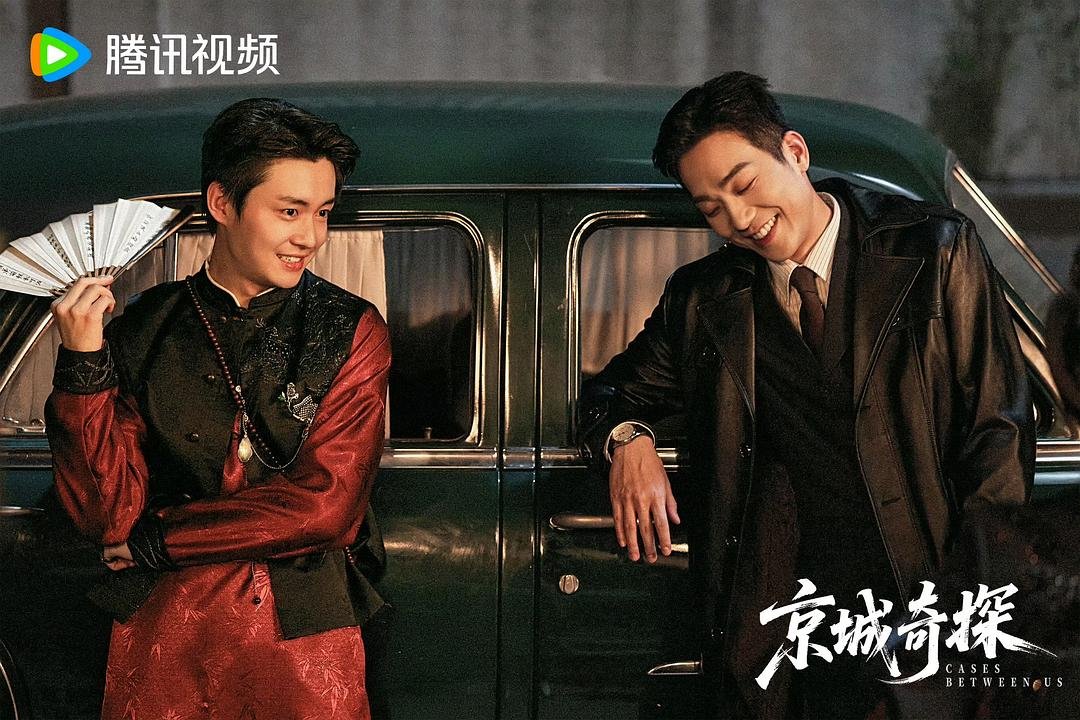
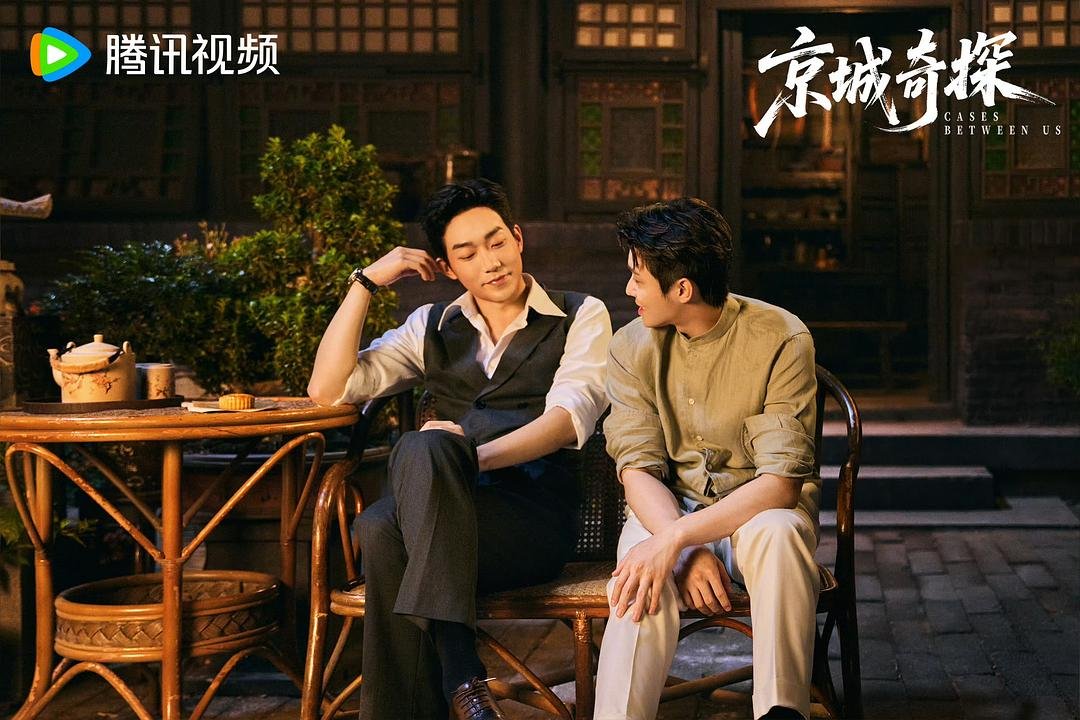
More than any individual performance, it’s the chemistry between Zhai Zi Lu and Kido Ma that makes the drama work.
Their banter feels effortless. They argue, tease each other, disagree about investigations, and occasionally drive each other crazy, but there’s always an underlying sense of respect. The partnership develops gradually instead of instantly becoming a perfect friendship. That slow evolution makes their bond feel believable.
Many scenes that would be fairly ordinary on paper become entertaining simply because the two actors play off each other so well.
Supporting Characters
The supporting cast does a respectable job, especially considering that many characters only appear for a single case. Several guest actors leave strong impressions despite limited screen time, particularly those playing victims and suspects. Since each mystery depends on viewers caring about the people involved, these performances are crucial to making the cases emotionally effective.
That said, some supporting characters feel more like plot devices than fully realized individuals. This isn’t really an acting problem as much as a writing issue. A few recurring characters, for example, Zhao Wan’er, Zhao Shaoshang’s sister, simply aren’t given enough material to stand out.
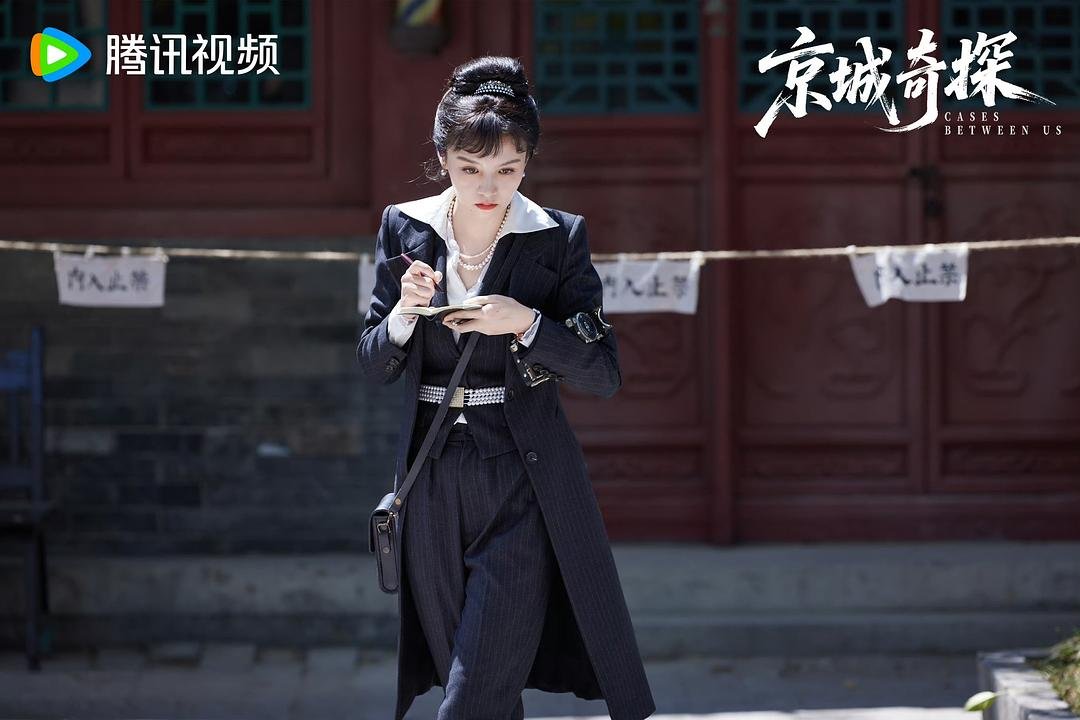
Zhao Wan’er (Jessie Li)
Visual Design
Despite Republican-era dramas usually melodramatic, I love them because of the vintage visuals.
One thing Cases Between Us does surprisingly well is creating a believable Republican-era setting without feeling overly polished or artificial. The production isn’t operating on the budget level of prestige dramas, but it uses its resources smartly.
The production design helps establish the social hierarchy, which is prominent in this drama. Wealthy homes are spacious and elegant, while poorer neighborhoods feel noticeably more cramped and worn down.
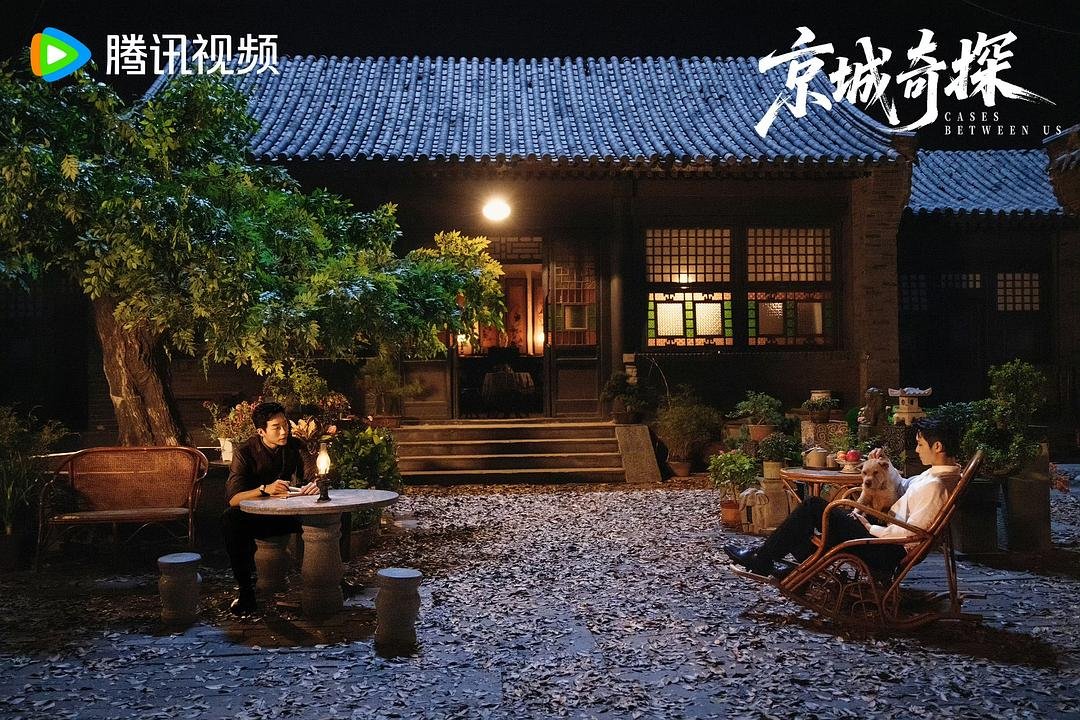
Yuan Hong’s humble home
Color Palette
The drama leans heavily into warm browns, golds, and muted earth tones, unlike darker crime dramas that rely on blue-gray filters and constant shadows. Even when dealing with murder investigations, the show rarely feels visually cold or depressing. Daytime investigations, bustling streets, and brightly lit interiors help make the world feel alive. That visual warmth also complements Zhao Shaoshang’s playful personality and prevents the series from becoming too grim.
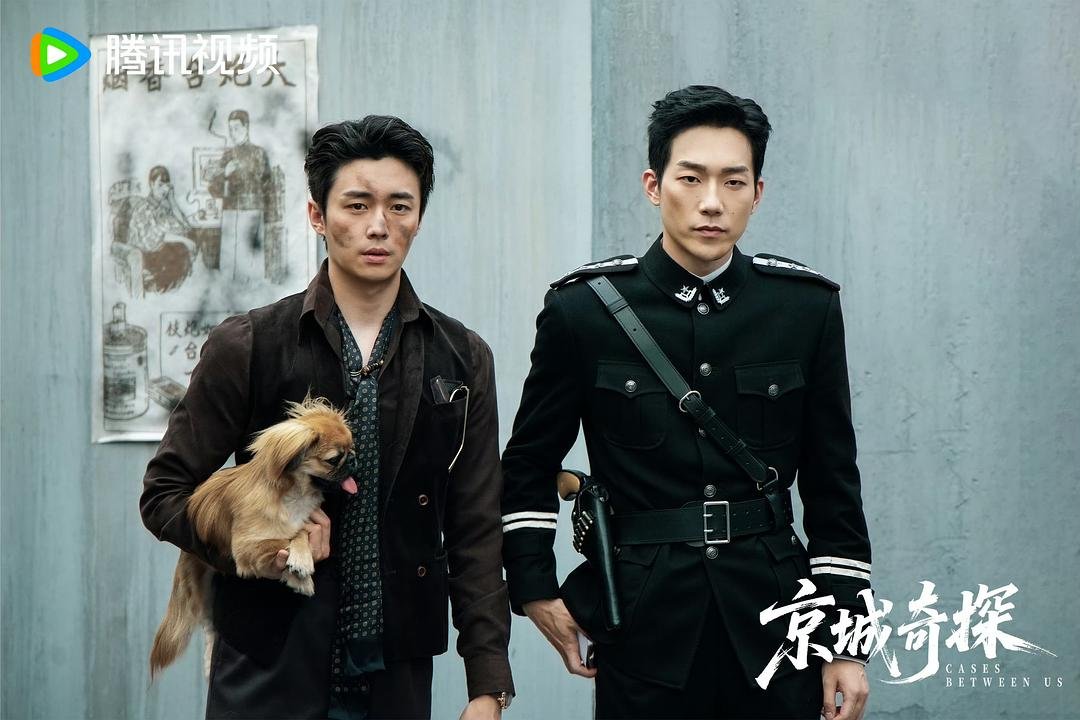
Cinematography
The camera work isn’t flashy. The directors focus on clear storytelling rather than trying to impress viewers with elaborate camera movements. Most scenes are easy to follow, which is especially important in a mystery drama where audiences need to pay attention to clues and character reactions.
Close-ups are used effectively during interrogations and emotional moments, allowing actors to carry scenes without unnecessary visual distractions.

Costume
The costume design isn’t extravagant, but it’s effective. One of the easiest ways to understand a character’s social position is simply by looking at what they’re wearing; for example, officials, wealthy citizens, and ordinary citizens. Zhao Shaoshang’s wardrobe in particular reflects his personality.
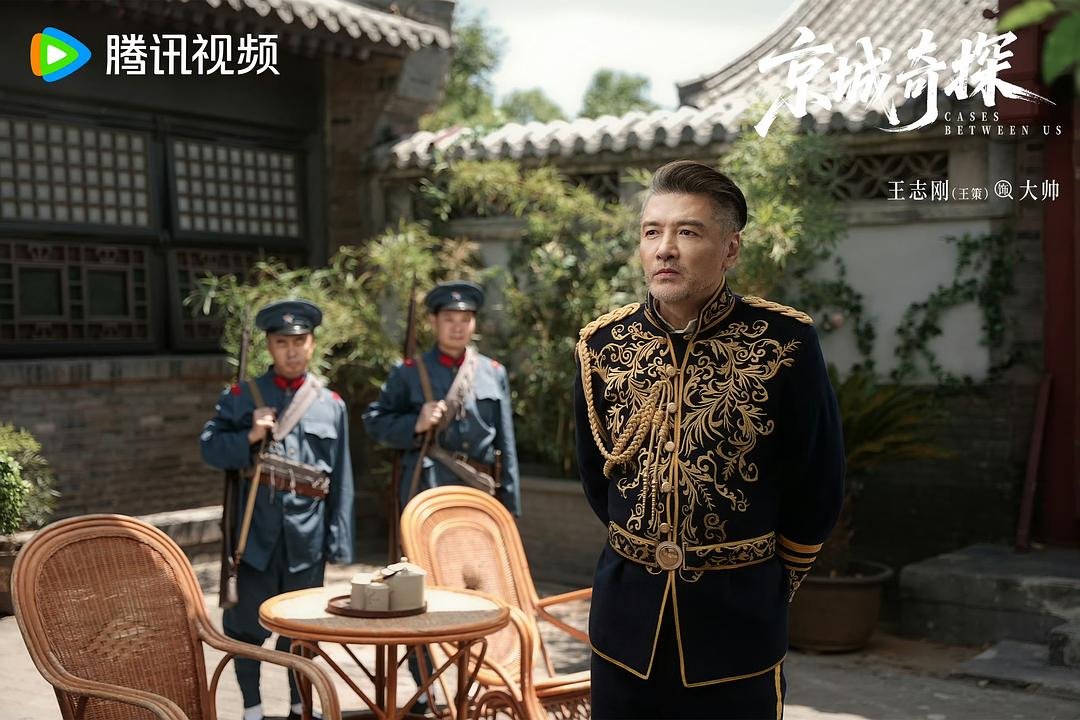
Marshall Da Shuai (Wang Ce), Yuan Hong’s father, in his uniform
My Rating
I used my rating system with additional scores of:
- + 0.5 for the intriguing individual cases.
- + 1.0 for the characterization of the main and supporting characters, and chemistry between the leads
- + 1.0 for the cinematography and visual design of the Republican era’s setting
Total rating 8.5/10.
Conclusion
Cases Between Us offers plenty of intriguing cases, with colorful characters and fast-moving storytelling. However, in my opinion, its biggest strength is the chemistry between the two leads and how their friendship grows with every case they solve. Although not every mystery is equally memorable, and some aspects of the larger narrative fall short of their potential, Cases Between Us is still an enjoyable detective drama that blends lighthearted fun with enough intrigue to keep viewers invested.
Spoilers
Who is the main villain?
Because this is a Republican-era setting, naturally, the villain is the enemy of that period, Japan. His name is Masamitsu Kobayashi, under the Chinese name Zhao Lin Zheng Mao, a meth dealer.
What is the ending? [short answer]
Open ending, but I’m inclined to a bittersweet ending.
How does it end? [long answer]
Yuan Hong killed Masamitsu Kobayashi during the showdown on Masamitsu’s ship, but the ship explodes. Yuan Hong survives, but Zhao Shaoshang falls into the sea and is presumed dead. Yuan Hong finds his father, as he believes that his father is responsible for Zhao Shaoshang’s death. In the end, the father and son confront each other with guns. The last news announced was that the marshal was attacked and killed in the military camp. Zhao Shaoshang’s father resigned and left the capital with Zhao Shaoshang’s mother to live in seclusion. His sister, Zhao Wan’er continues to be a journalist. Yang Dezhi officially took over Yuan Hong’s position as the chief of the fourth section.
In the end, we see that Zhao Shaoshang is not dead. A passing Japanese merchant ship rescued him, and they arrived at Nagasaki Port.
For me, it’s a bittersweet ending. Bitter because Yuan Hong doesn’t know Zhao Shaoshang is alive. His father is dead, not sure whether he was killed by Yuan Hong during the duel or committed suicide. Zhao Shaoshang’s family is heartbroken and lives in seclusion. Sweet because Zhao Shaoshang is still alive, although he ends up in Japan. During that period, Japan and China were at war. We don’t know what will happen to him.