Introduction
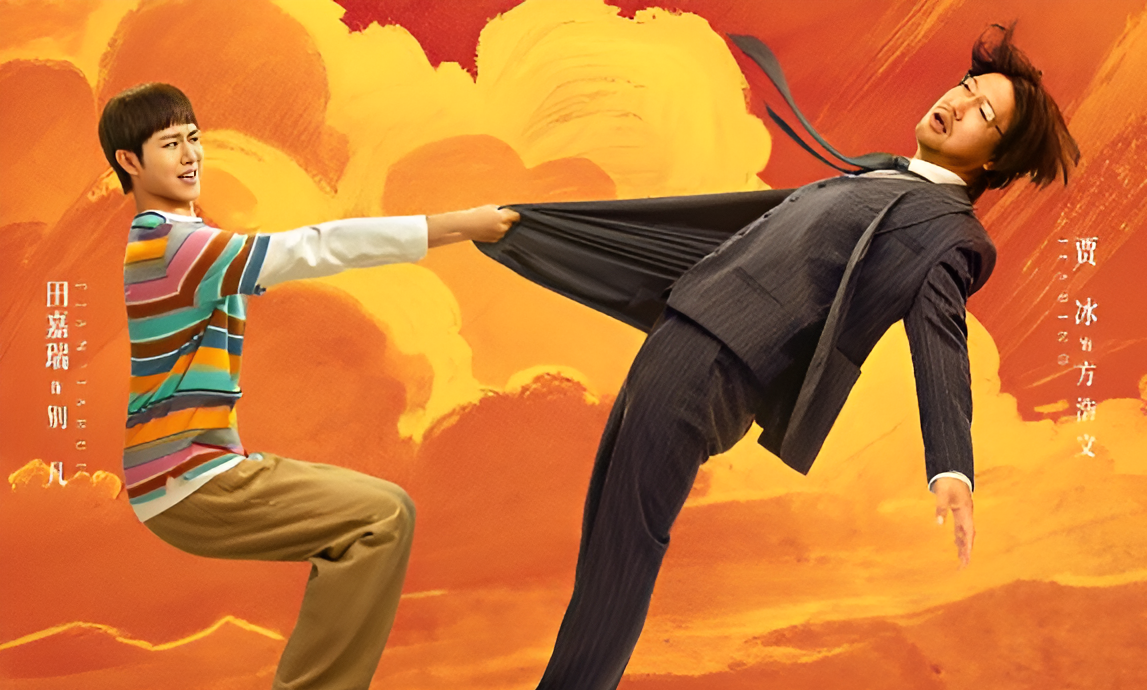
I’ll admit it: I originally tuned into See You Later… Maybe solely for Tan Jiarui, and I had no idea what kind of wild ride I was signing myself up for. What starts out as an absolutely unhinged dark comedy involving a struggling writer, a staged suicide, and a chaotic partnership instantly shatters the mold of your typical, predictable C-drama. But while Tan Jiarui was the ultimate hook that got me to click play, the show’s messy, deeply human characters and surprisingly touching story are what kept me completely glued to the screen. It is easily one of the most refreshing, chaotic, and oddly heartfelt binges of the year.
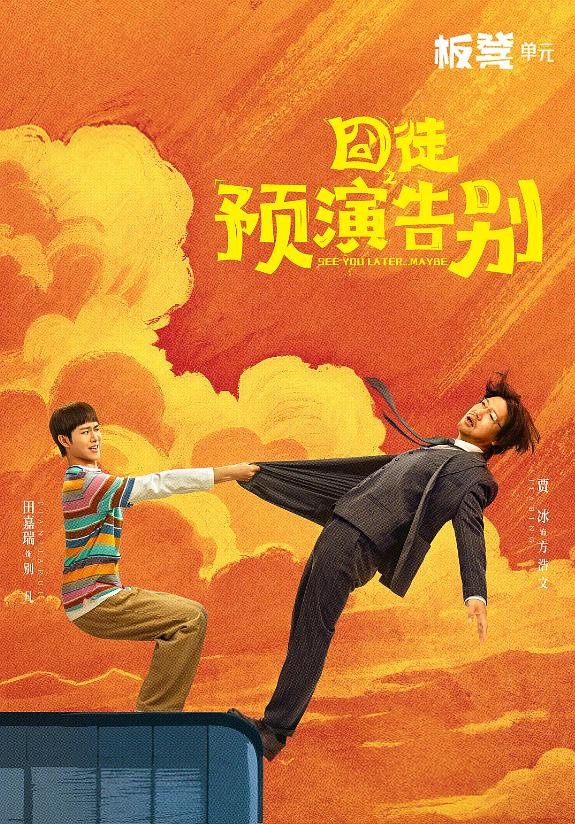
Drama Info
Drama title: See You Later… Maybe (Native title: 囧徒之预演告别)
Alternative title: Yu Tan Gao Bie, Preview Farewell
Genres: (Dark) Comedy, Life, Drama
Aired: 31 Aug, 2026 – 7 Sep, 2026
Episodes: 15 | Duration: 34 min.
Director: Su Xun Hui (苏训辉)
Screenwriter: He Ke Ke (何可可)
Where to watch: WeTV or Tencent Video
Trailer
Synopsis
Fang Hao Wen holds the cheapest weapon in Huanshi City— a pen. Though far from a bestselling author, his sharp words cut through the absurdities of everyday life. His brief rise to fame comes thanks to the admiration of powerful businesswoman Jin Fu Rong. But when he rejects her romantic advances, his fall from grace is swift and brutal.
A drunken tumble from a building turns into a staged suicide spectacle, catapulting him into viral fame. His former agent sees an opportunity and urges him to “sell death for clicks”, using the scandal to boost his online popularity.
Just as their livestream scam gains traction, things spiral out of control with the arrival of Bie Fan, a book lover who idolizes Fang Hao Wen. Their chaotic meeting sparks the creation of the oddball duo “The Prisoners”. Together, the washed-up writer and his fervent fan embark on a wild, darkly comic journey, trapped in a state of “unable to live, unable to die”. (Source: MyDramaList)
Characters
Main Characters
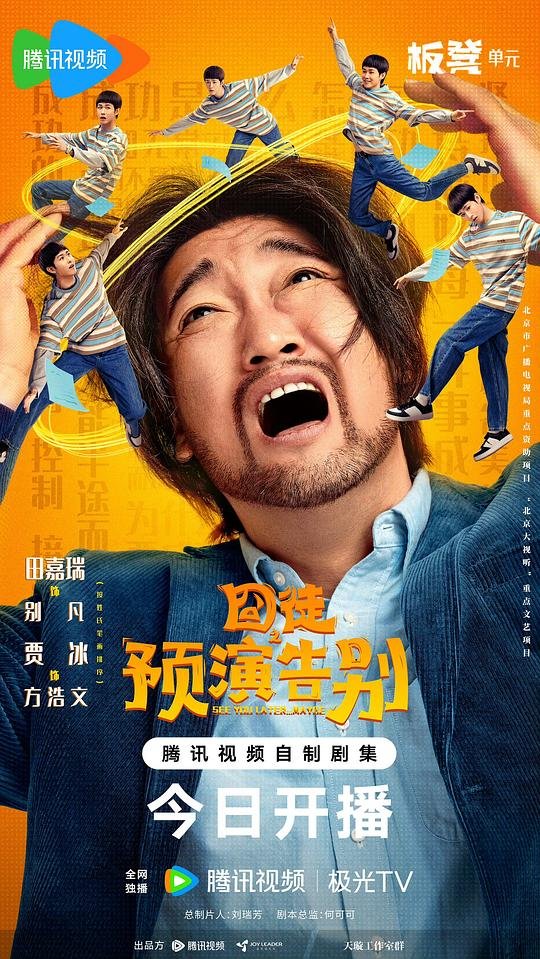
Jia Bing (贾冰) as Fang Hao Wen
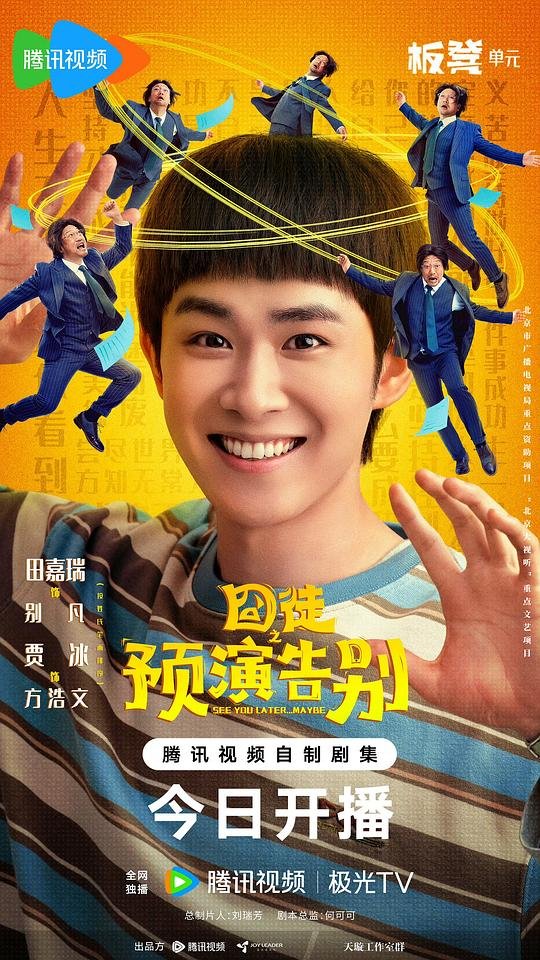
Tian Jia Rui (田嘉瑞) as Bie Fan
Supporting Characters

He Jia Huan (Yan Pei Lun) – Hao Wen’s manager
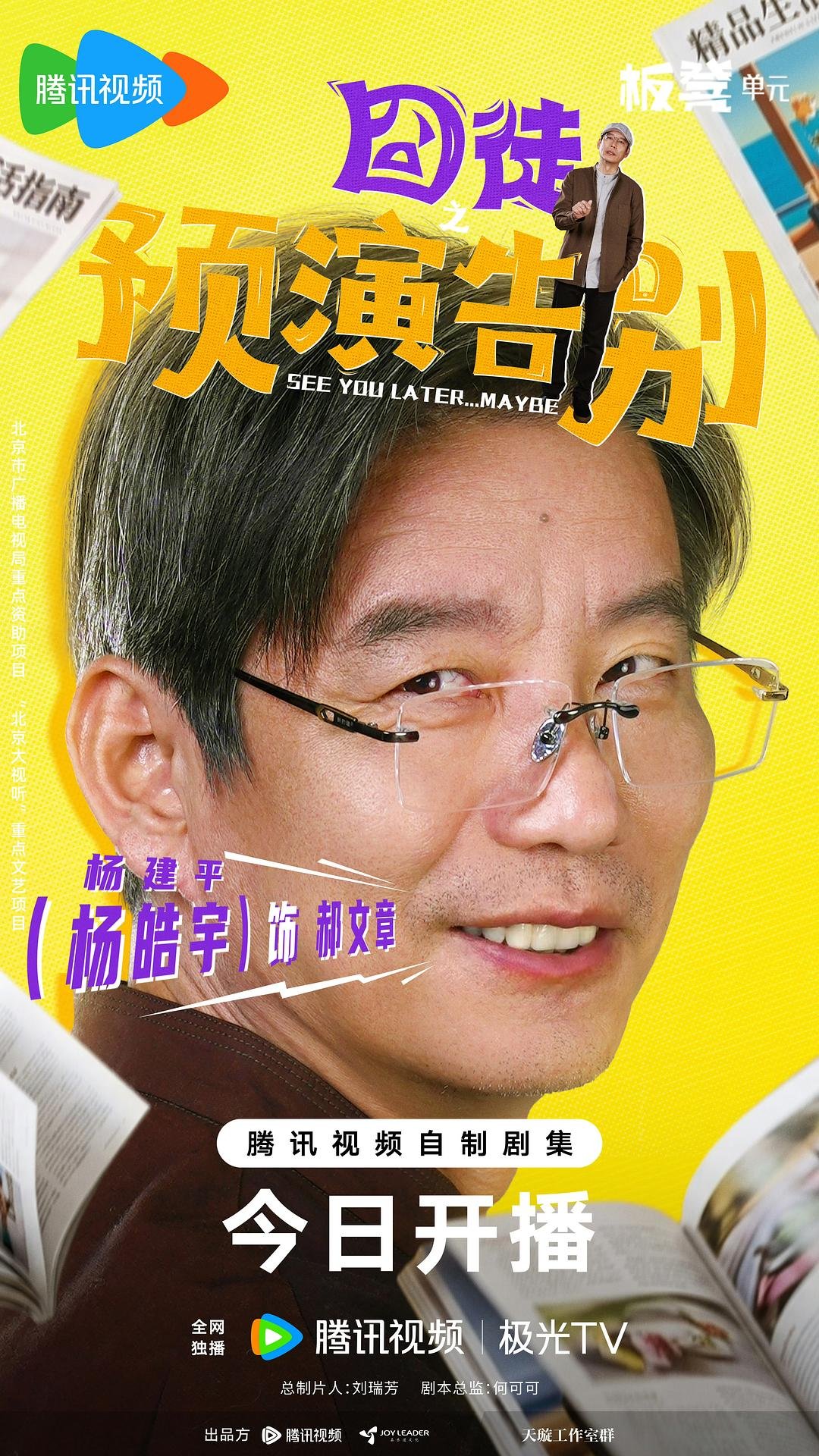
Hao Wen Zhang (Yang Hao Yu) – Chief editor
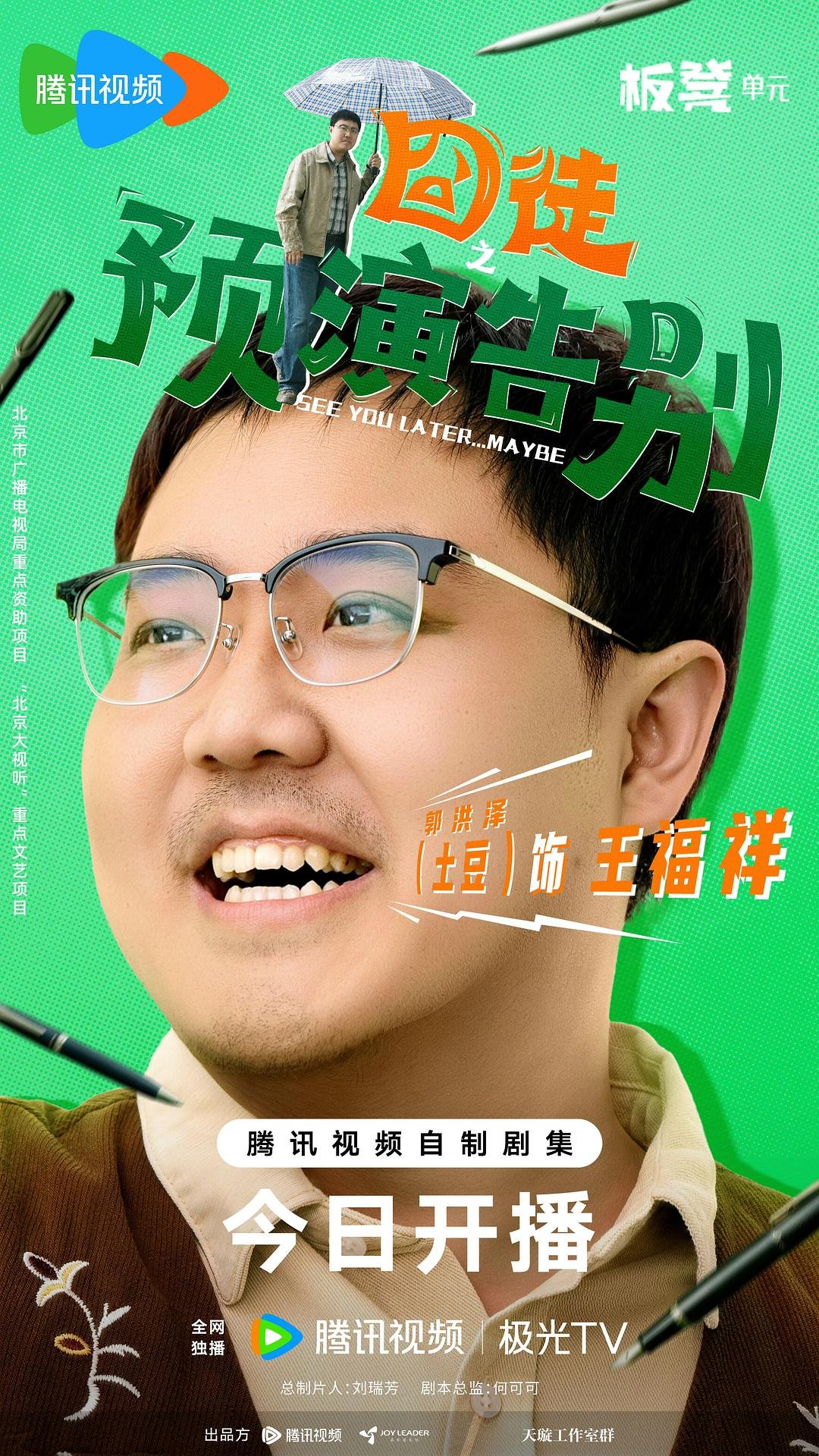
Wang Fu Xiang (Tu Dou) – Hao Wen’s friend

Wang Yue (Bao Wen Jing) – Hao Wen’s first love

Jin Fu Rong (Kong Ling Mei) – businesswoman
Relationship Chart
Besides the supporting characters listed above, there are also other characters as shown on the relationship chart below:
- Bie Fan’s mother Gao Gui Lan (Li Ping) – top right of Bie Fan
- Bie Fan’s friend Rong Si Hai (Lin Jun Yi) – bottom right of Bie Fan
- Lei Au Lei (Yang Yu Guang), Erma Entertainment president – bottom right of Fang Hao Wen
- Guest characters: Staff from Erma Entertainment – right side

Review
Story and Plot
Story
What I liked about See You Later… Maybe it’s that, beneath all the weirdness and dark comedy, it actually has a lot to say.
The show takes a pretty funny—and sometimes painfully absurd—look at fame and internet culture. It pokes fun at how easily people can manufacture success online, turning a struggling writer into a fake “guru” through paid crowds, staged stunts, and carefully created hype. Basically, it asks: How much of what we see online is actually real?
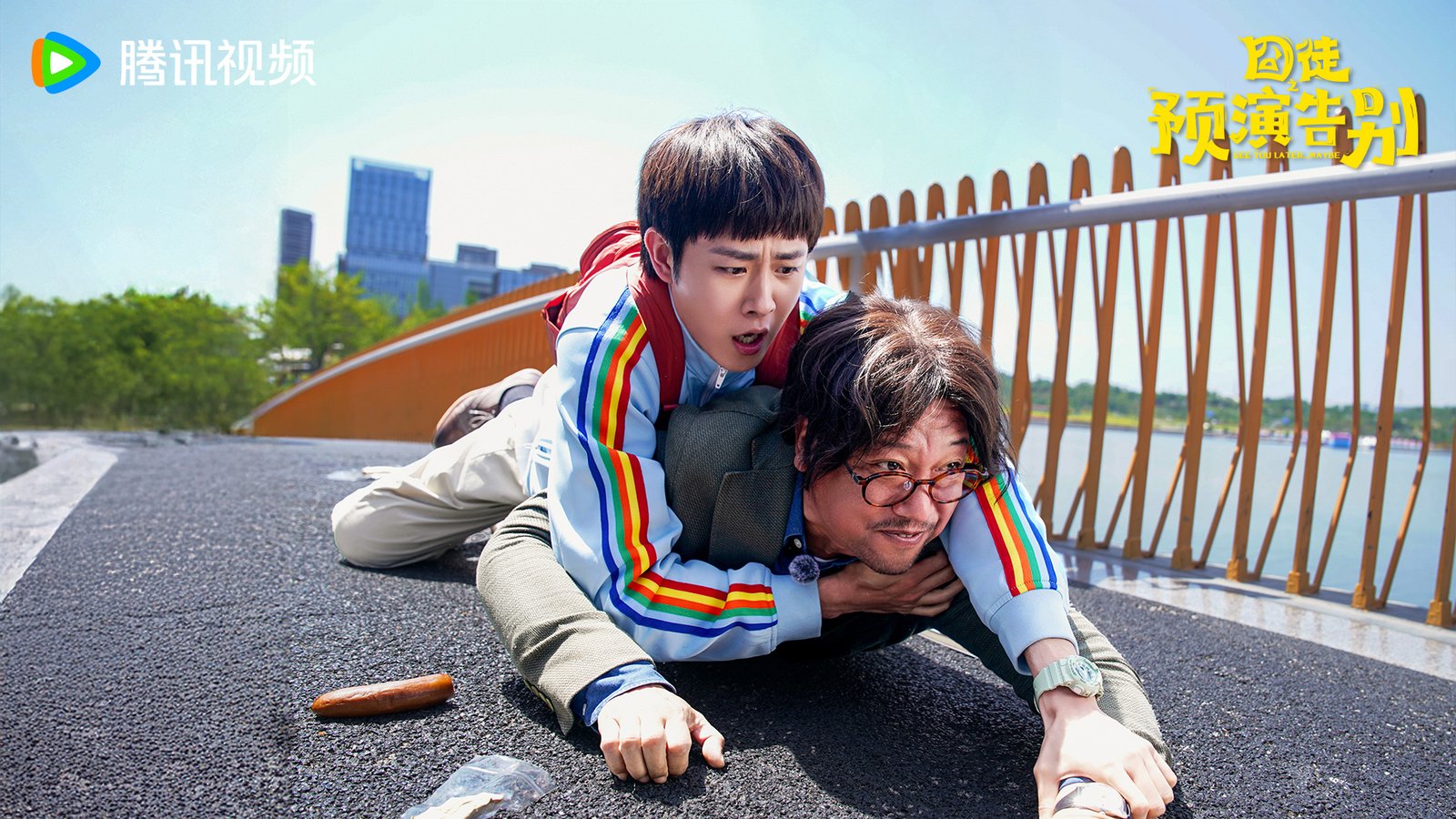
Fang Haowen’s failed staged suicide attempt – saved by Bie Fan
There’s also a darker side to the story involving guilt and obsession. The relationship between a self-absorbed, failed creator, Fang Haowen, and his extremely devoted fan, Bie Fan, gets increasingly complicated. Neither character is exactly normal or particularly easy to like, but that’s part of what makes them interesting.
And then there’s human connection. In the middle of all the chaos, these two very flawed outsiders somehow find comfort and a sense of belonging in each other. It’s strange, messy, and occasionally touching.
At its heart, the drama is really about stripping away illusions. Fame, status, and internet clout can look impressive from the outside, but they can also be pretty hollow and fleeting. The show keeps reminding us that behind all the posturing and manipulation are actual people—with loneliness, regrets, insecurities, and pain.
The biggest takeaway for me is that people are worth more than what they can do for us. Once you stop treating others like stepping stones to fame or success, you might actually see the person underneath.
Plot
The first episodes, from Episodes 1 to 6, really set the tone for the drama’s dark comedy. It takes some pretty hilarious jabs at the entertainment and publishing industries, especially the whole obsession with fake popularity, viral fame, and companies exploiting people for profit.
The pacing is quick and there are plenty of laugh-out-loud moments. A lot of the humor comes from the irony of watching the protagonist’s genuine artistic ambitions crash headfirst into a world that seems to care more about clicks, hype, and making money than actual talent.
In the middle, from Episodes 7 to 11, the story eventually shifts more toward the toxic dynamic between Fang Haowen and Bie Fan. Fang’s aggressive, over-the-top behavior—and his constant verbal attacks on Bie Fan—really takes over this part of the story.
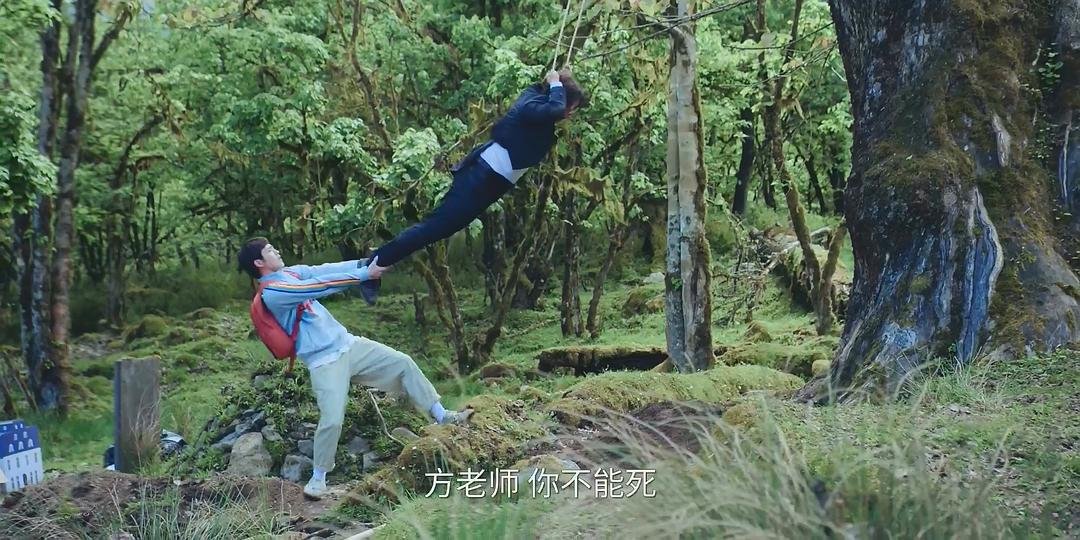
Fang Haowen’s failed real suicide attempt – saved by Bie Fan
For me, this is where the pacing starts to drag. It feels like the story gets stuck in the same cycle, with one argument after another. The editing also seems a bit choppy, which makes the whole section feel uneven.
There are rumors that the drama was originally planned for 12 episodes but was later stretched to 15. If that’s true, it might explain some of the repetitive scenes and uneven pacing. By this point, the constant bickering can definitely start testing your patience.
The final part of the drama, Episodes 12 to 15, moves away from the corporate satire and gets much more personal. The comedy takes a bit of a backseat as we get a deeper look at Fang Haowen’s trauma, grief, and the ways he tries to cope with it all.
The emotional flashbacks also give his stubborn optimism a whole new meaning. It’s not just part of his personality—it feels more like the way he’s learned to survive. By the end, all the messy twists and turns of his career start to come together, leaving us with a bittersweet message about what it really means to succeed and, more importantly, to define success on your own terms.
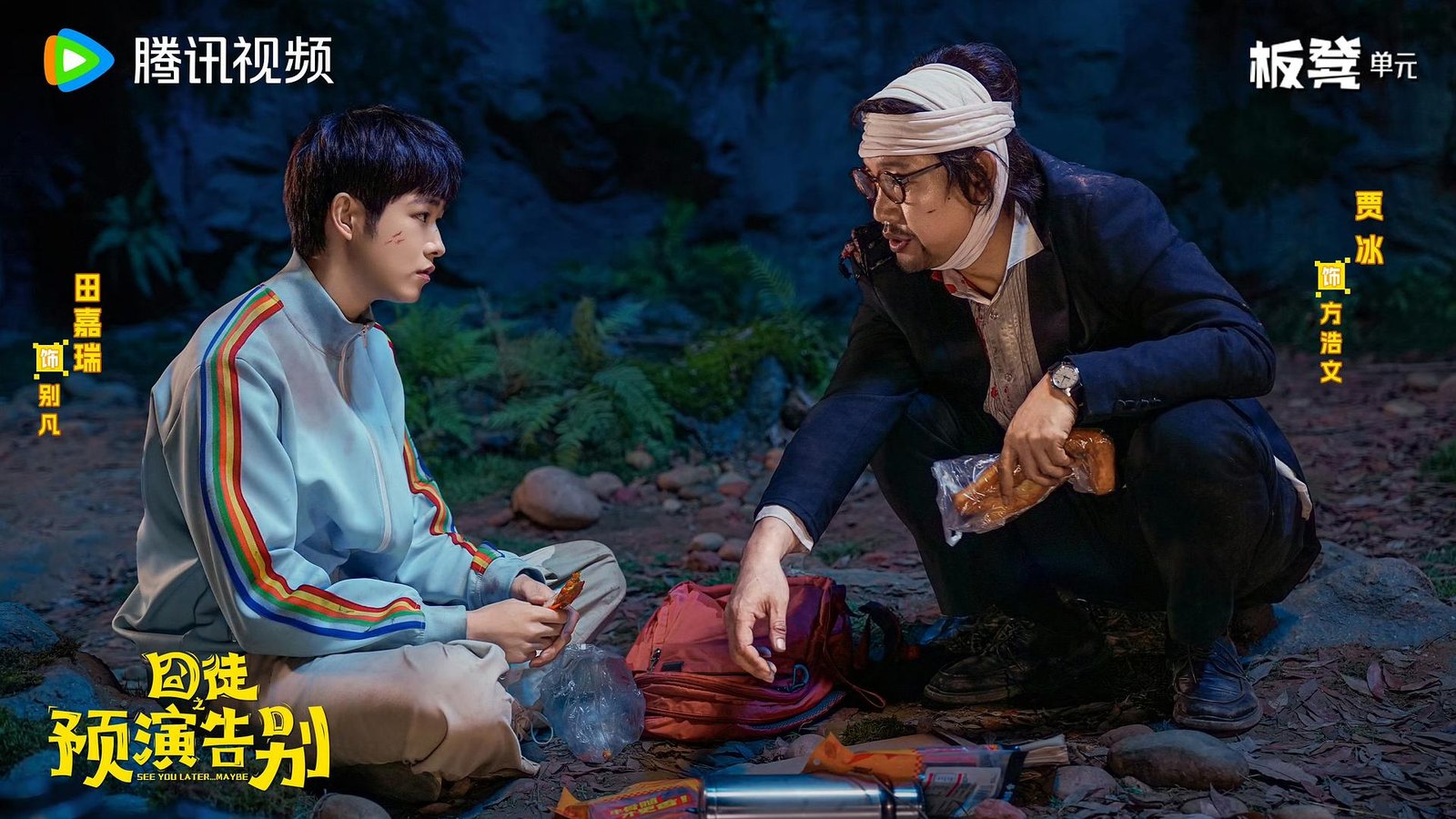
Fang Haowen and Bie Fan’s adventure in the forest
Characterization and Acting
The duo Fang Haowen and Bie Fan are probably one of the strongest parts of See You Later… Maybe. Nobody here is completely normal, innocent, or easy to figure out—and honestly, that’s what makes them fun to watch.
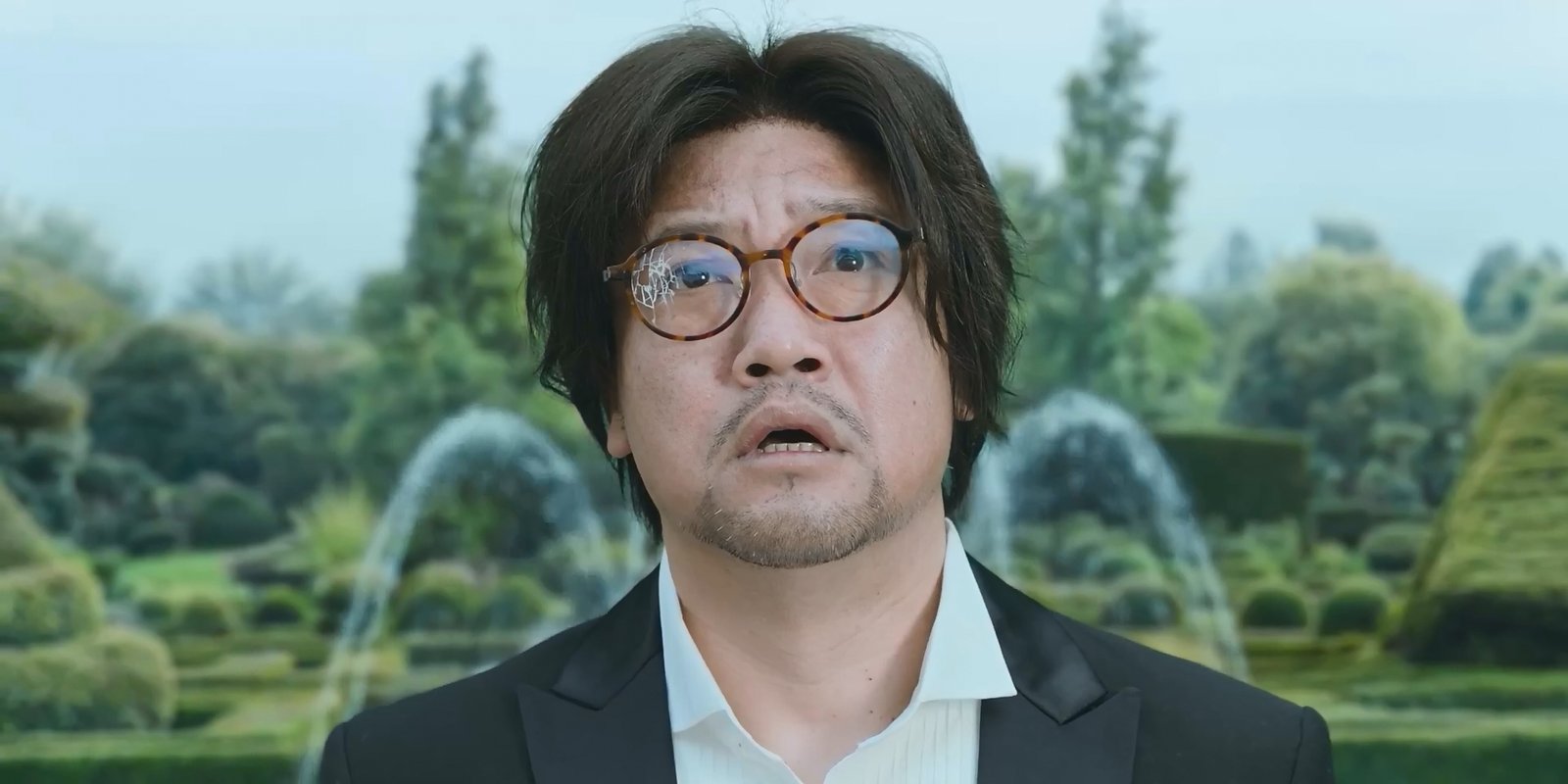
Jia Bing’s Fang Haowen is a particularly interesting character. At first, he comes across as a self-centered, frustrated guy who is desperate to prove that he’s still somebody. He can be ridiculous and frustrating, but as the story goes on, we start to see the insecurity, regret, and pain underneath all that ego.
Jia Bing does a good job balancing the comedy with the more emotional moments. He can make Fang look completely absurd one minute and genuinely vulnerable the next.
Tian Jiarui’s Bie Fan
Let’s be honest—I started watching this show just for Tian Jiarui, so I naturally paid attention to his acting and he absolutely did not disappoint. Playing a character described as an “obsessive fan” is a major tightrope walk because it can easily cross the line into being super creepy or just plain annoying. But Tian Jiarui brings this incredibly chaotic, earnest energy to Bie Fan that makes him the absolute best part of the whole series.
Character-wise, Bie Fan is a complete wildcard. He is this passionately delusional, aspiring chef who happens to be the only actual fan of the washed-up writer, Fang Haowen. When he spots his idol staging a suicide on a livestream for clout, he doesn’t realize it’s a total scam—he genuinely thinks he’s running in to save a life. Rocking a messy mushroom haircut, he storms into the story with this hilarious hero-complex, completely derailing everyone else’s cynical plans.
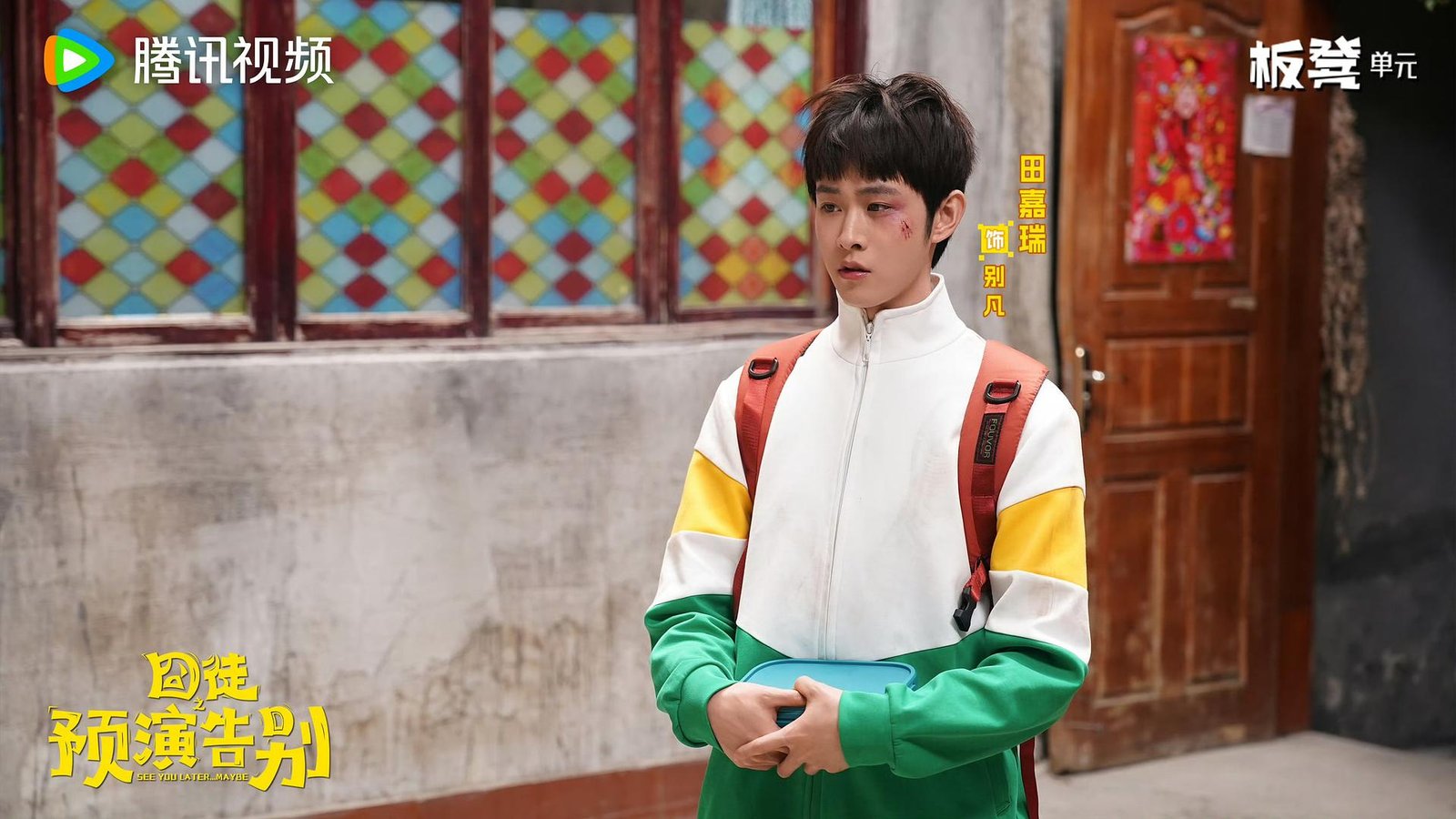
What makes Tian Jiarui’s acting so impressive here is how he completely throws away any polished image to just dive face-first into pure physical comedy. His micro-expressions are golden, and his frantic energy keeps the momentum moving. But the real magic is the sincerity he sneaks into the madness. Even when Bie Fan is being completely extra, Tian Jiarui grounds him with this sweet, vulnerable earnestness. You actually get why he cares so much, which keeps him incredibly lovable.
Production Value
Honestly, the look and feel of See You Later… Maybe is just as unhinged as its plot, and that is exactly why it works. The show completely skips the standard, heavily filtered, flawless look of typical C-dramas to give us a production that feels raw, indie, and incredibly dynamic.
Cinematography and Visual Style
The camera work is a massive part of the comedy here. Instead of flat, static shots, the cinematography uses frantic pacing, quick zooms, and chaotic angles to capture the pure panic of the livestream scams and “fake suicide” rescues. The lighting switches beautifully between the harsh, artificial glare of smartphone screens and the gritty, moody atmosphere of the city streets at night.
Costume & Makeup
The styling team deserves an award for prioritizing character realism over standard idol aesthetics. Tian Jiarui’s look is a prime example—they threw away his usual polished image, gave him a dorky, messy mushroom haircut, and dressed him like an eccentric everyday guy. Meanwhile, Jia Bing looks perfectly disheveled, exhausted, and worn-out as the failing writer. The makeup doesn’t make them look pretty; it makes them look like actual stressed-out humans caught in a nightmare.
Special Effects and CGI Animals
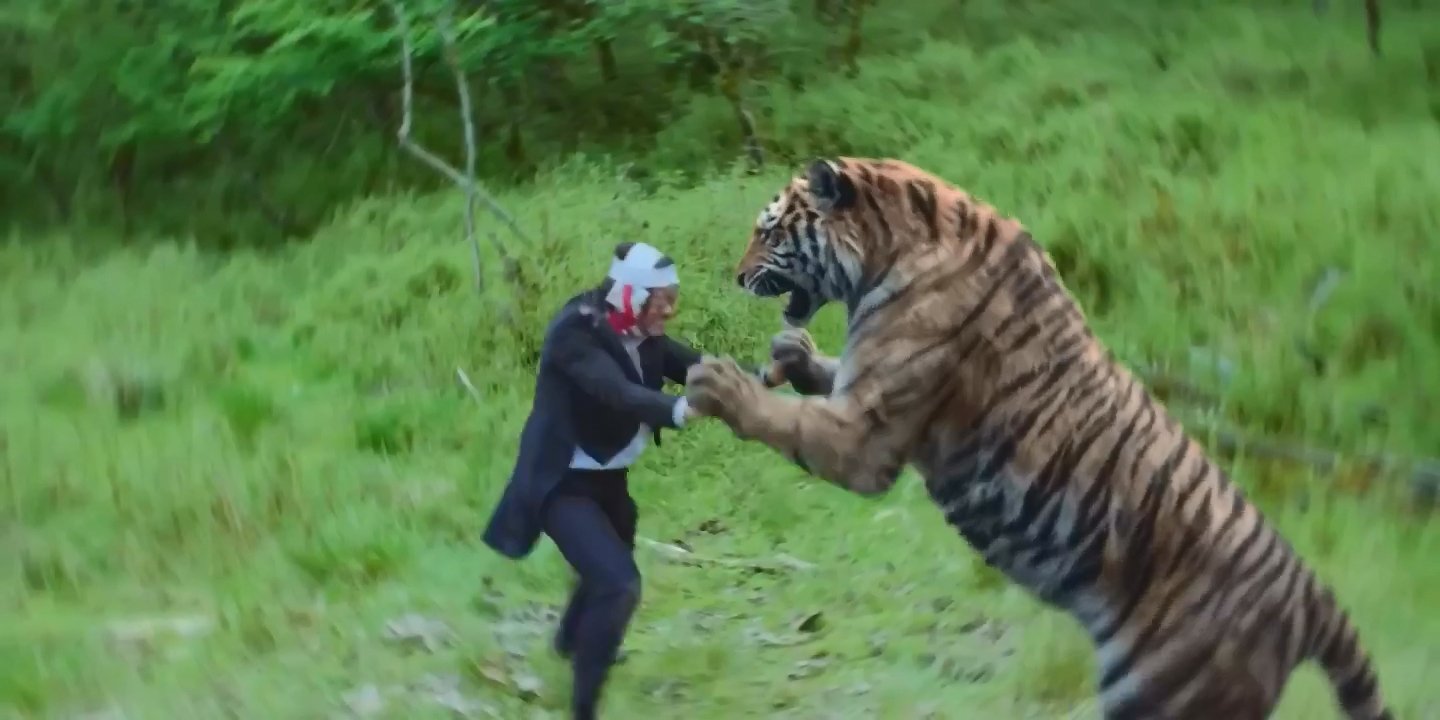
The absolute peak of the show’s visual effects happens during the infamous wild mushroom hallucination episode. When the characters accidentally trip on toxic mushrooms, the show uses vibrant, surreal CGI tiger and slithering python popping up in ordinary rooms. What makes it so brilliant is how the production blends these completely absurd, random CGI elements with the cast’s incredible physical acting. The contrast between the digital animals and the leading characters’ raw, earnest panic is peak abstract comedy.
Shooting Locations
Setting the drama in the fictional “Huanxi City” creates a fantastic backdrop. The show moves through cramped, cluttered apartments, chaotic livestream rooms, and gritty urban alleys. It feels lived-in, cynical, and grounded, which perfectly frames the story’s sharp satire on internet fame and modern desperation.
Instead of shooting everything on fake studio sets or using massive green screens, the crew actually went on a major location shoot across Sichuan, China:
- Ya’an (Tianquan Laba River Scenic Area): The 200+ person production crew spent over a week filming deep in this gorgeous national nature reserve. It is a massive, lush forest area surrounded by mountains, rivers, and wildlife. It provides the perfect, refreshing contrast to the cramped, chaotic city rooms where the early livestreaming drama happens.

Erlang Mountain Labahe Scenic Area, Ya’an, Tianquan County, China
- Chongzhou (Huaiyuan Ancient Town): They shot beautiful outdoor sequences in this historic town, which gives the show a very rich, cultural, and grounded aesthetic.
- Chengdu (Xinglong Lake): The outdoor city streets, lakeside visual backdrops, and gritty urban alleys were filmed right in Chengdu, giving it that authentic, modern indie-comedy vibe.
Tian Jiarui in Ya’an (Source: Tian Jiarui’s Weibo)
My Rating
I used my rating system with additional scores of:
- + 1.0 for the comedy, interesting plot, and the messages
- + 1.0 for the character duo, and Jia Bing and Tan Jia Rui’s acting
- + 0.5 for the scenic shooting locations.
Total rating 8.5/10.
Conclusion
See You Later… Maybe starts out looking like a quirky, chaotic comedy about fame, failed dreams, and internet hype, but there’s more going on underneath. The absurd situations and dark humor gradually give way to a surprisingly heartfelt story about loneliness, regret, grief, and finding someone who understands you when you least expect it.
It’s definitely not a perfect drama, and the humor can be pretty over-the-top at times. But that’s also part of its charm. The characters are messy, flawed, and sometimes downright ridiculous, yet they feel surprisingly human.
By the end, the drama leaves you with a bittersweet thought: maybe success isn’t about becoming famous or proving something to everyone else. Maybe it’s about finding your own way forward—and the people who make the journey worthwhile.
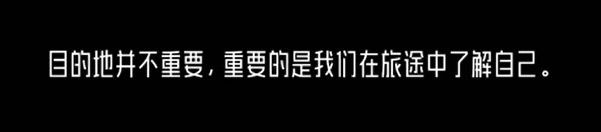
The destination is not important; the important thing is that we understand ourselves during the trip. (Epilogue)
Spoiler
What is the ending? [short answer]
Happy ending
How does it end? [long answer]
Fang Haowen and Bie Fan don’t become hugely successful celebrities. Instead, they essentially choose a much simpler life. Bie Fan and his best friend Rong Sihai open a restaurant, and Bie Fan makes his mother’s mapo tofu famous. Fang promotes the restaurant through his old social-media account.
And Fang’s earlier desire to disappear from the world is finally gone. The official ending describes him as having returned to ordinary life, while continuing to write and moving forward on his own version of the “road to success.” He also helps at Bie Fan’s busy restaurant.