Introduction
I usually choose “safe” dramas—the kind where I know my heart won’t be put through the wringer. I prefer stories with healthy relationships, clear moral boundaries, and minimal emotional turmoil. That’s why I was surprised to find myself watching Whisper of Desire. The themes of infidelity and the mistreatment of women are normally enough to make me pass on a drama. What convinced me to give it a chance were the lead actors, whose performances I was eager to see, and the historical setting, which promised a glimpse into a fascinating period of Thai culture and society.
This drama explores infidelity, emotional betrayal, toxic family dynamics, and the social oppression of women in 1920s Thailand. The series critiques these behaviors rather than endorsing them. However, if infidelity storylines or the mistreatment of female characters are deal-breakers for you, this may be a challenging watch. Approach the drama with caution!
Before the debate of the main topic, I added my exploration on the historical and cultural aspects of Whisper of Desire because judging the characters solely by modern standards misses an important part of the story. In my opinion, understanding that context helps explain why the characters make decisions that may seem frustrating, unfair, or even incomprehensible to modern viewers. While historical context does not excuse harmful behavior, it provides a deeper understanding of the social pressures that shaped the characters’ lives and ultimately contributed to the tragedy.
So, let’s dive into this taboo topic!

Drama Info
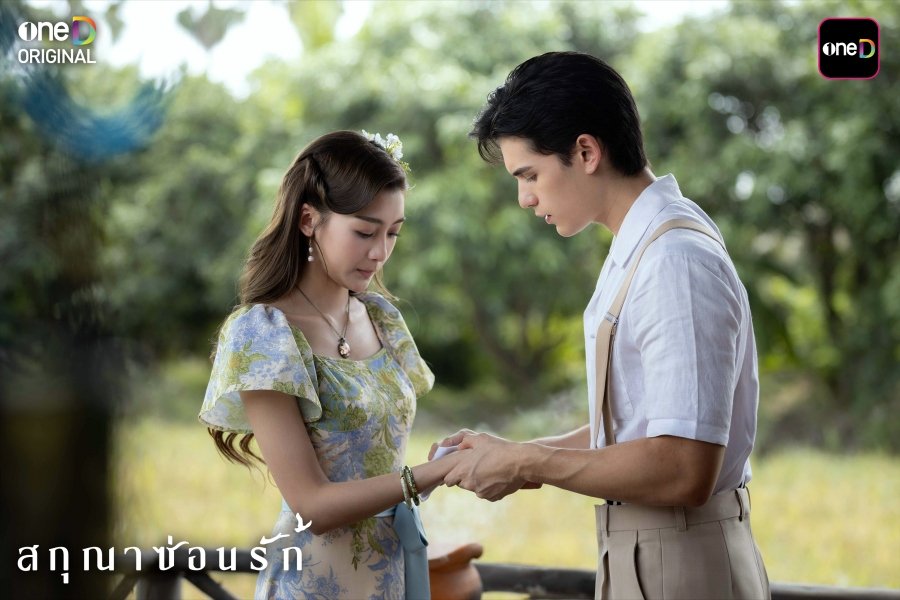
Drama title: Whisper of Desire (Native title: สกุณาซ่อนรัก)
Alternative title: Sakuna Son Rak
Genres: Historical, Romance, Drama
Aired: 27 Apr, 2026 - 19 May, 2026
Episodes: 8 |  Duration: 1 hr. 3 min.
Director: Boy Takonkiet Viravan (บอย ถกลเกียรติ วีรวรรณ)
Screenwriters: Chert Sangsan Santimaneerat (เชิ้ต สร้างสรรค์ สันติมณีรัตน์) and Napak Traicharoendetch (นภัค ไตรเจริญเดช)

Where to watch with English sub: One31
OSTs
จะเป็นรักแท้ (“Will Be True Love”) by Dome Jaruwat (โดม จารุวัฒน์)
ปลด (“Discharged”) by Daou (ต้าห์อู๋ พิทยา)
จะเป็นรักแท้ (“Will Be True Love”) by Gun Napat (กัน นภัทร)
Trailer
Synopsis
Shen is a woman from a wealthy family who enters into a seemingly perfect marriage with Phoem, a promising government officer. Their relationship begins with happiness, but things take a turn when Phoem leaves for an extended work assignment abroad.
During his absence, Shen faces constant pressure and mistreatment from her mother-in-law. The difficult environment leaves her emotionally drained, holding on only to the hope of her husband’s return. However, when Phoem comes back, he is no longer the same person. His cold and distant behaviour deepens Shen’s loneliness.
In this vulnerable state, she finds comfort in Tone, a driver whose presence brings emotional support and complicates her situation. (Source: MyDramaList)
Characters
Main Characters

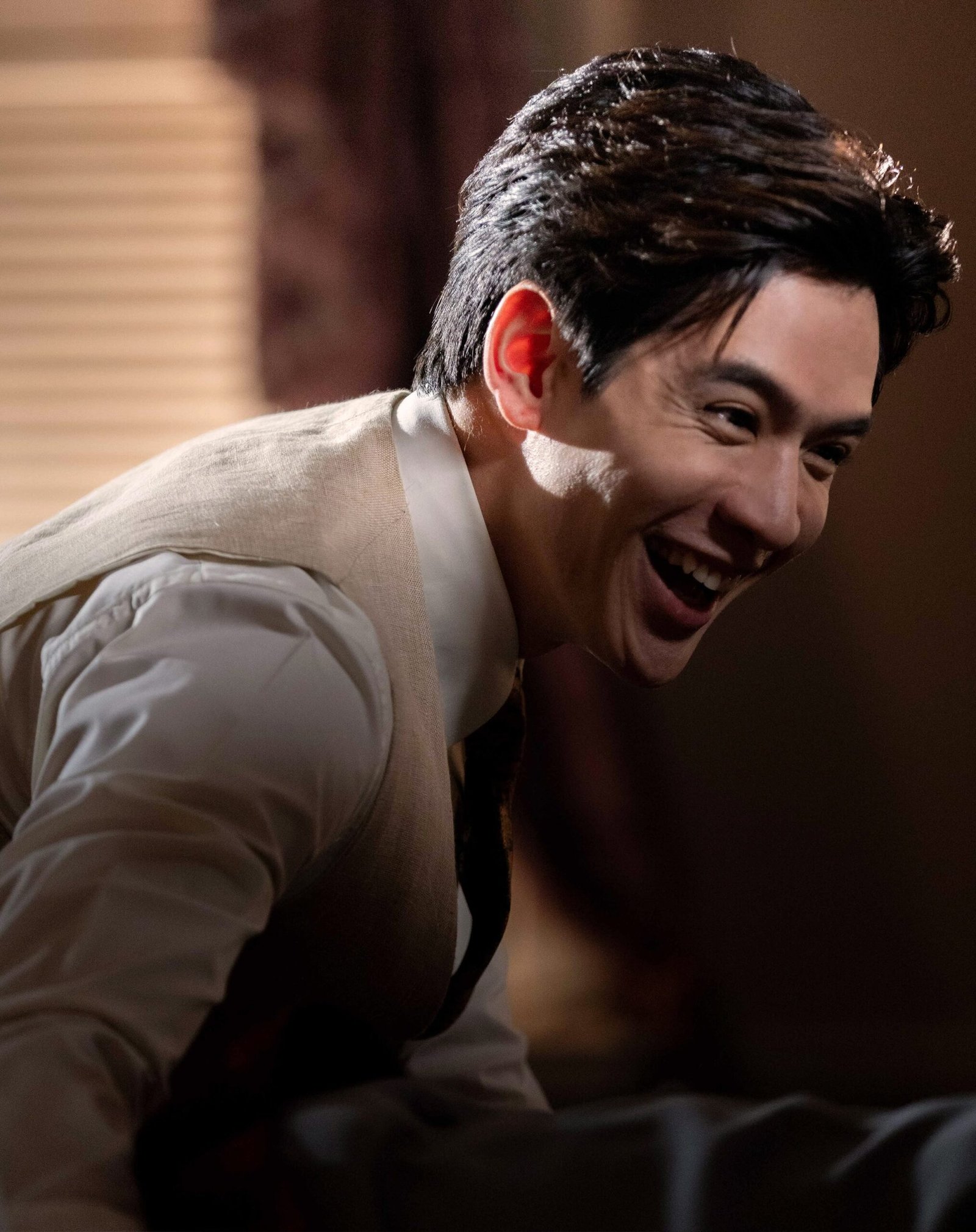
Film Thanapat Kawila (ฟิล์ม ธนภัทร กาวิละ) as Phoem
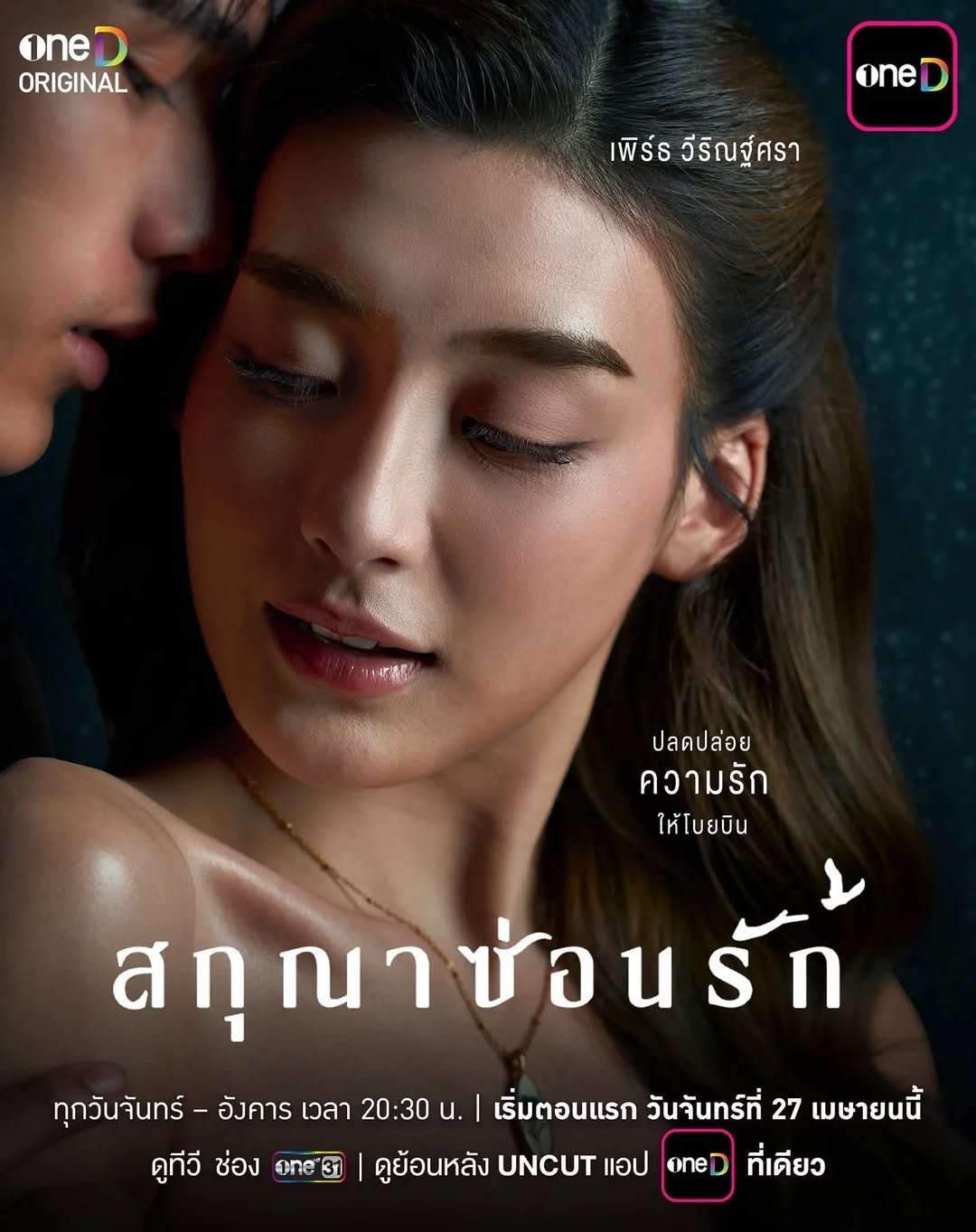
Perth Veerinsara Tangkitsuvanich (เพิร์ธ วีริณฐ์ศรา ตั้งกิจสุวานิช) as Shen

Tate Henry Myron (เทศน์ เฮนรี่ ไมรอน) as Tone
Supporting Characters
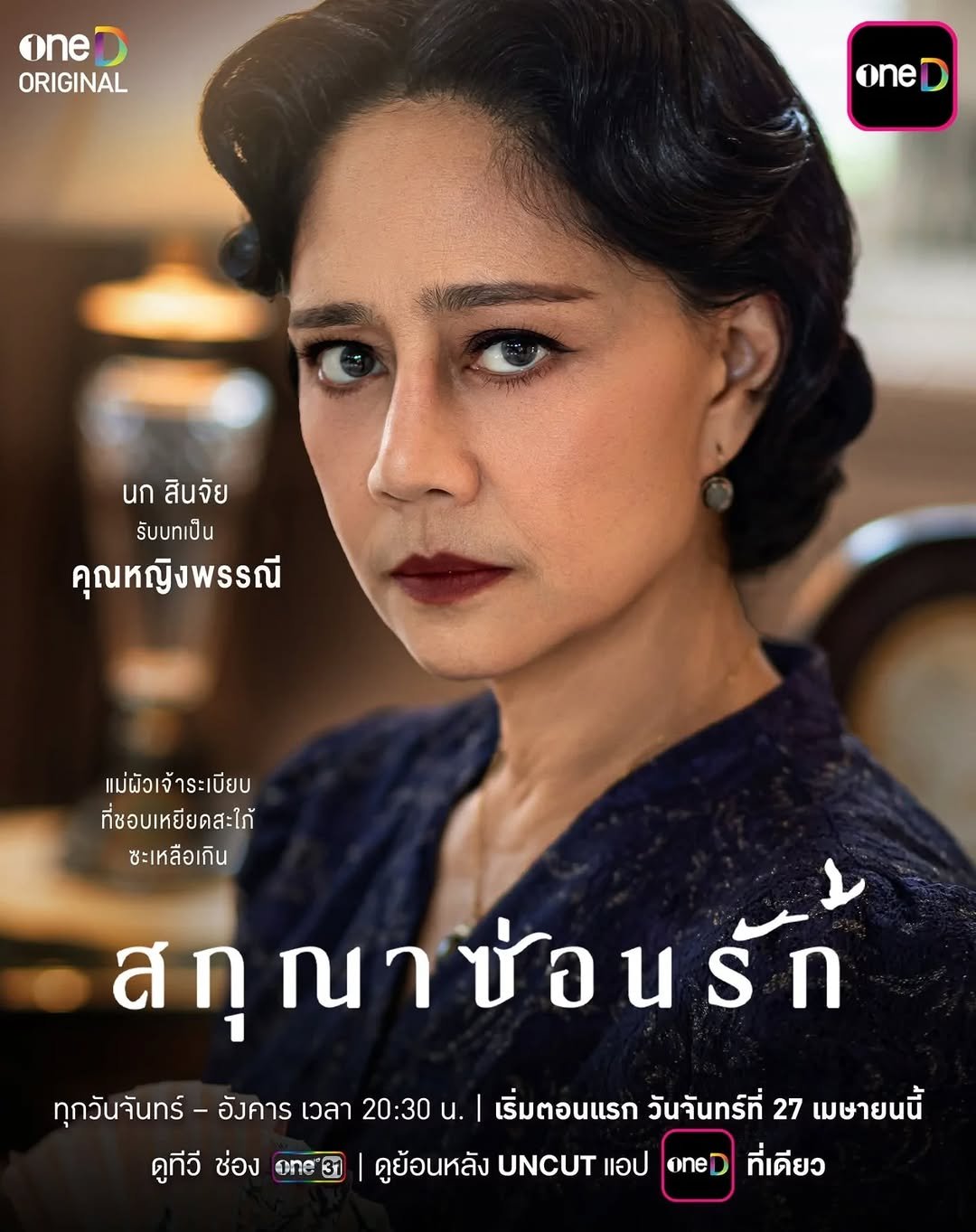
Phanni (Nok Sinjai Plengpanich) – Phoem’s mother

Toem (New Akaravin Nanthipat) – Phoem’s brother
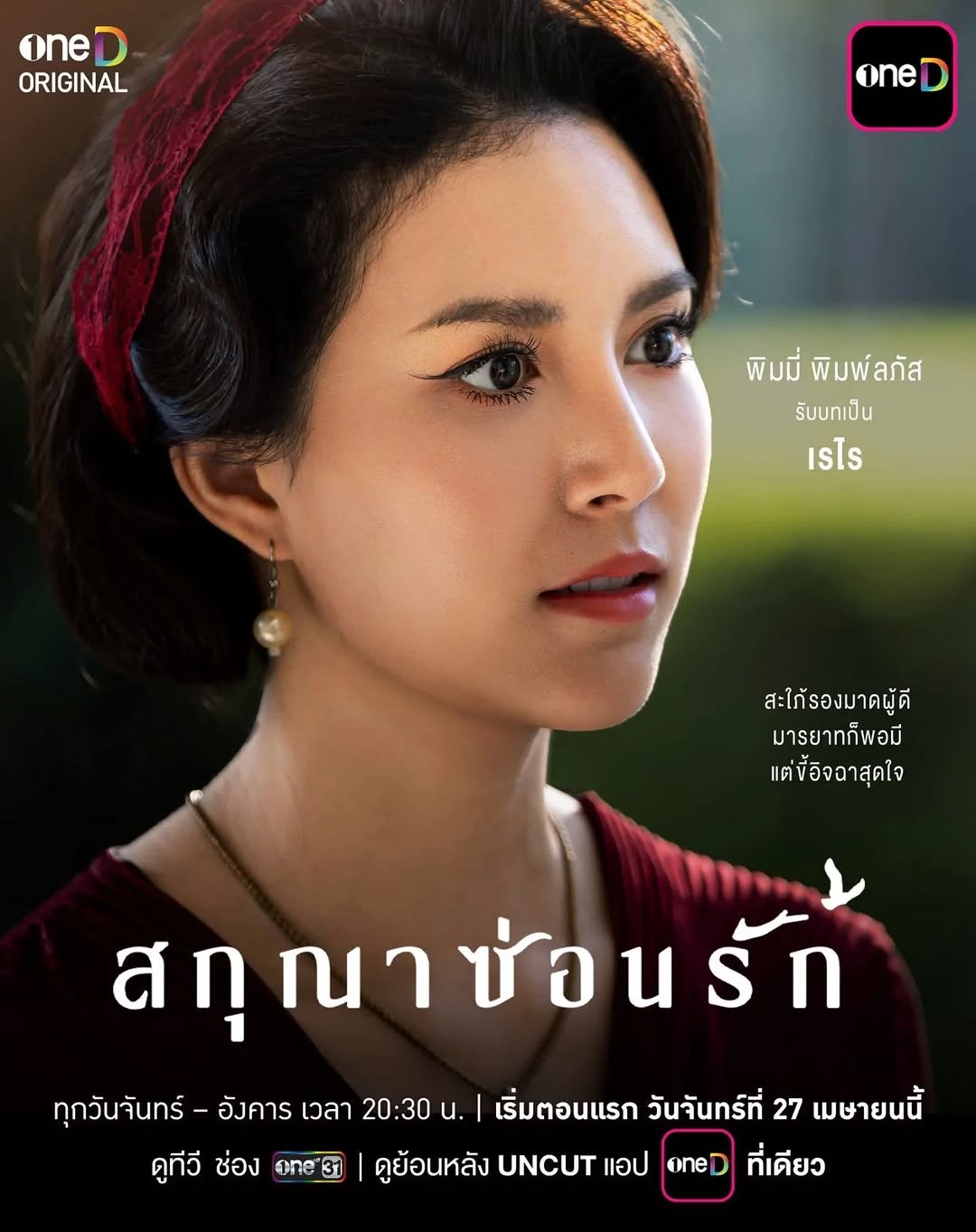
Rerai (Pim Pimlapas Jungsura) – Toem’s wife
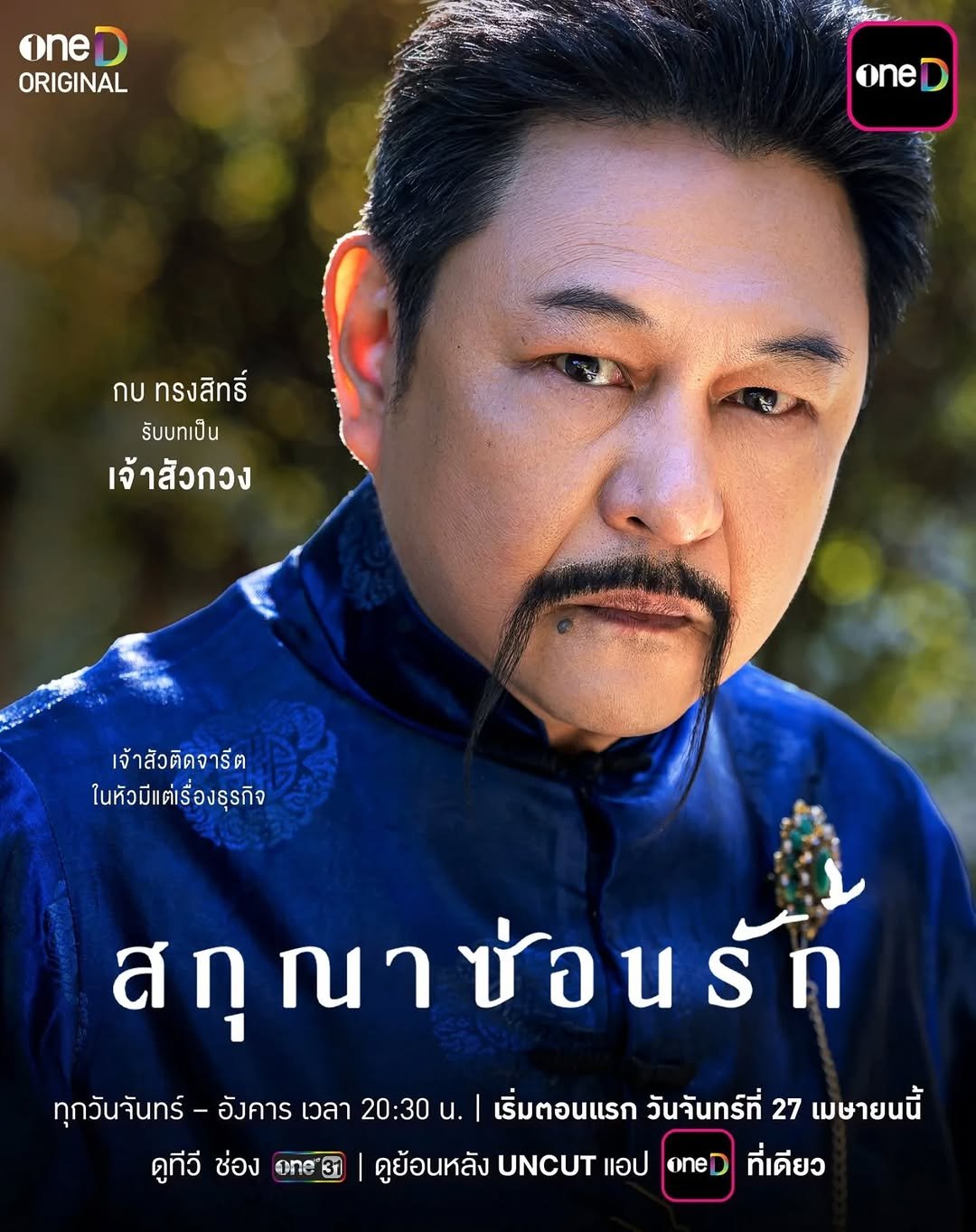
Kuang (Kob Songsit Rungnopakunsi) – Shen’s father
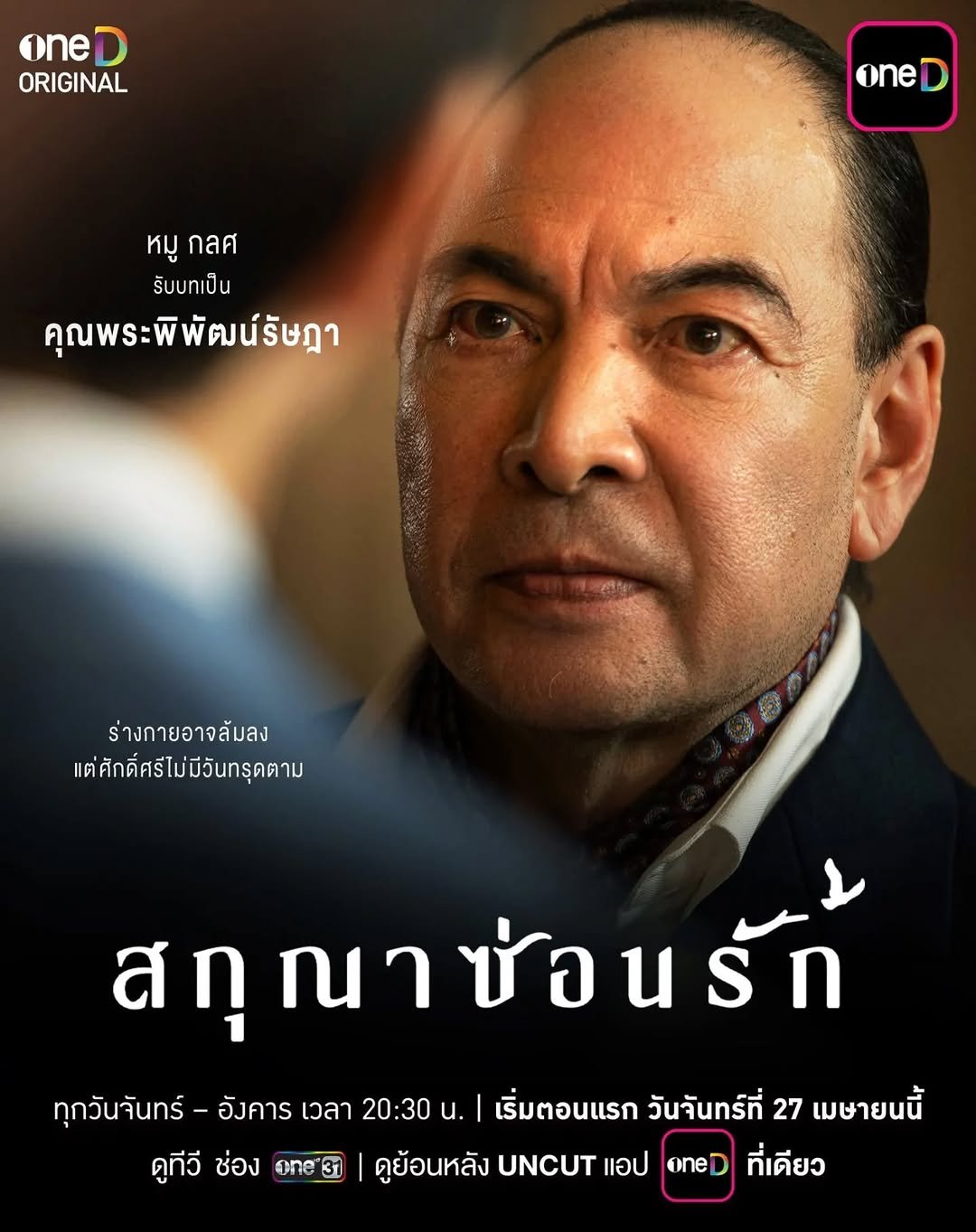
Phiphatratsada (Claude Athaseri) – Phoem’s father
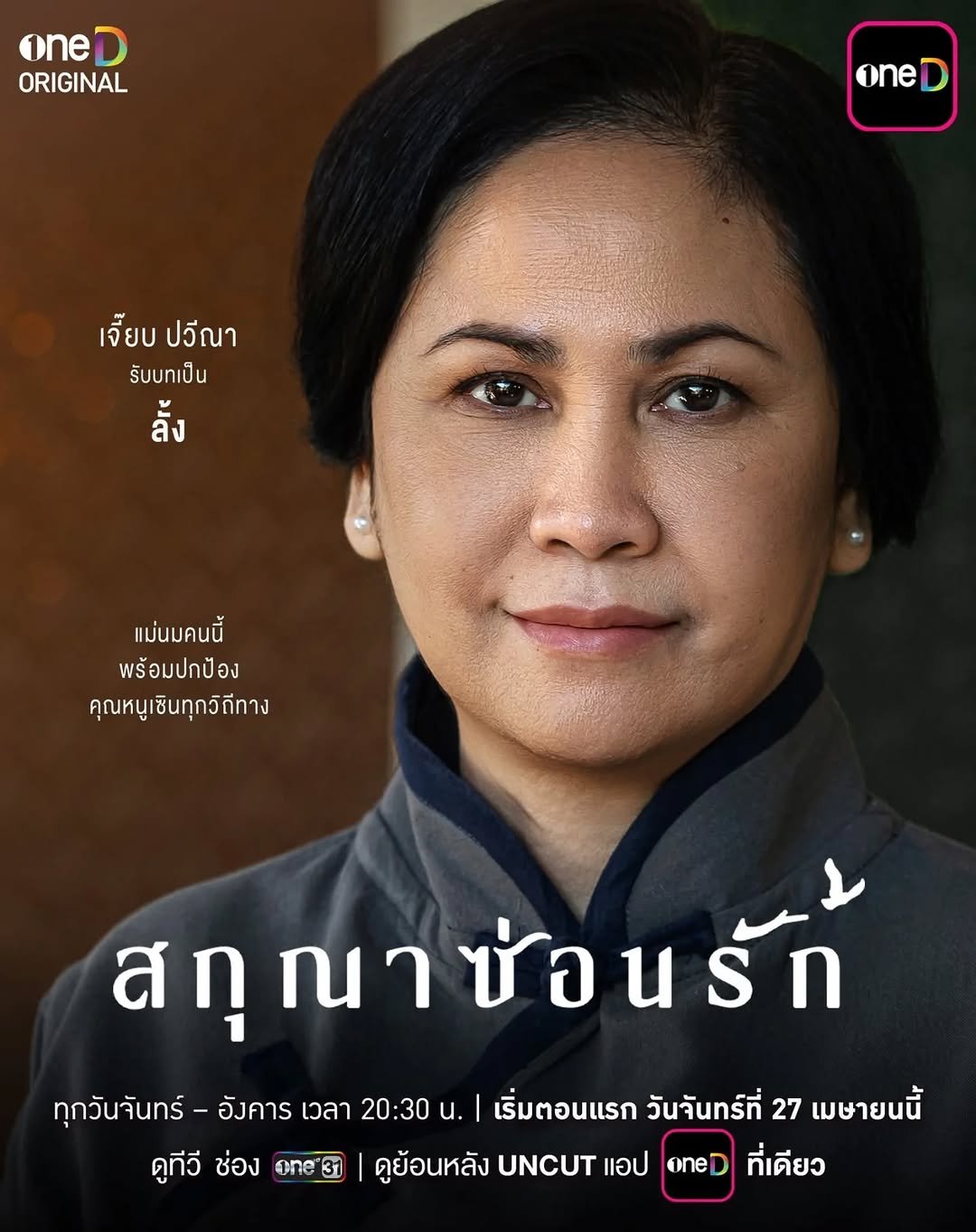
Lang (Jeab Paweena Charivsakul) – Shen’s nanny

Chin (Win Songsin Jaipan) – Phoem’s subordinate
The Historical and Cultural Context
This drama setting is 1927. Understanding the cultural context of 1920s Thailand adds a lot of depth to Whisper of Desire. In 1927, the country was known as the Kingdom of Siam and was under the absolute rule of King Prajadhipok (Rama VII). The 1920s Siam was a fascinating, contradictory era for women. It was an era caught directly between the deeply rooted patriarchy and the first waves of modern female liberation.
Some modern viewers judge the characters by today’s standards, but many of their choices are shaped by the social expectations of the era:
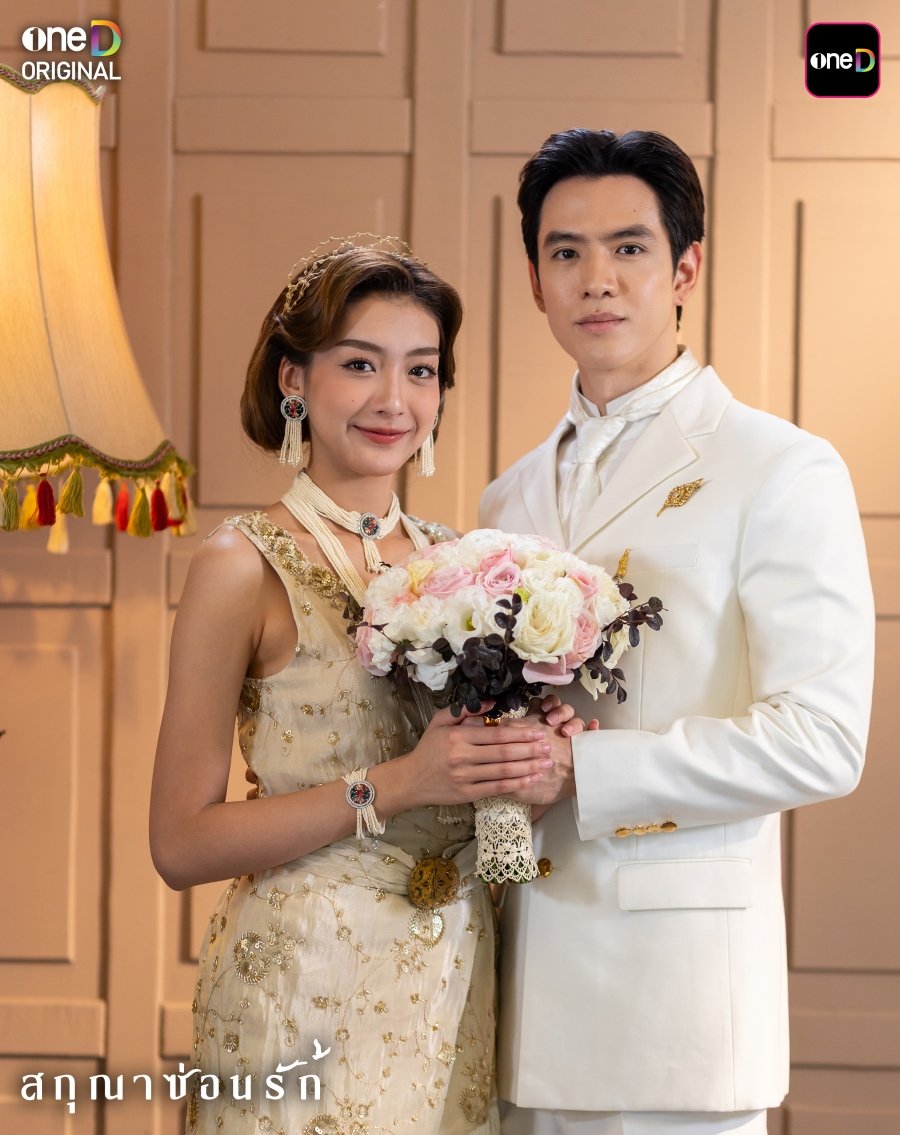
Marriage Was a Family Affair
In the 1920s, especially among wealthy or influential families, marriage was often viewed as a union between families rather than simply between two individuals. Family status and reputation were extremely important. Parents and elders had significant influence over marriage decisions. A successful marriage was expected to strengthen family ties and social standing. This helps explain why Shen and Phoem’s marriage carries such heavy expectations beyond personal happiness.
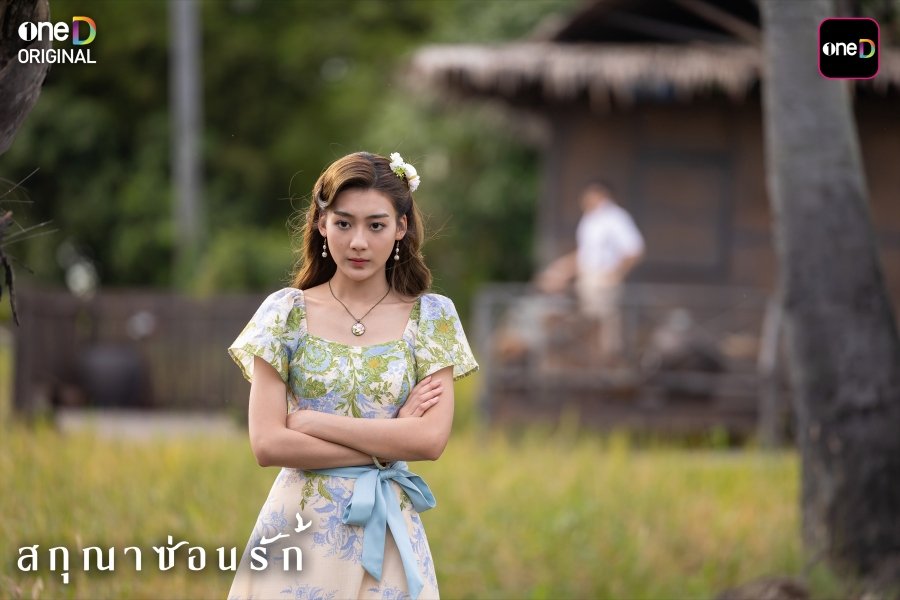
Women’s Roles and Expectations
Married women were expected to be dutiful wives, respectful daughters-in-laws, and guardians of family honor. A married woman was often expected to endure hardship quietly rather than challenge her husband or his family. This is why Shen’s loneliness feels so suffocating. She cannot just leave Phoem and his family and return to her family. In 1927 Siam, that would have been far more difficult socially and economically.
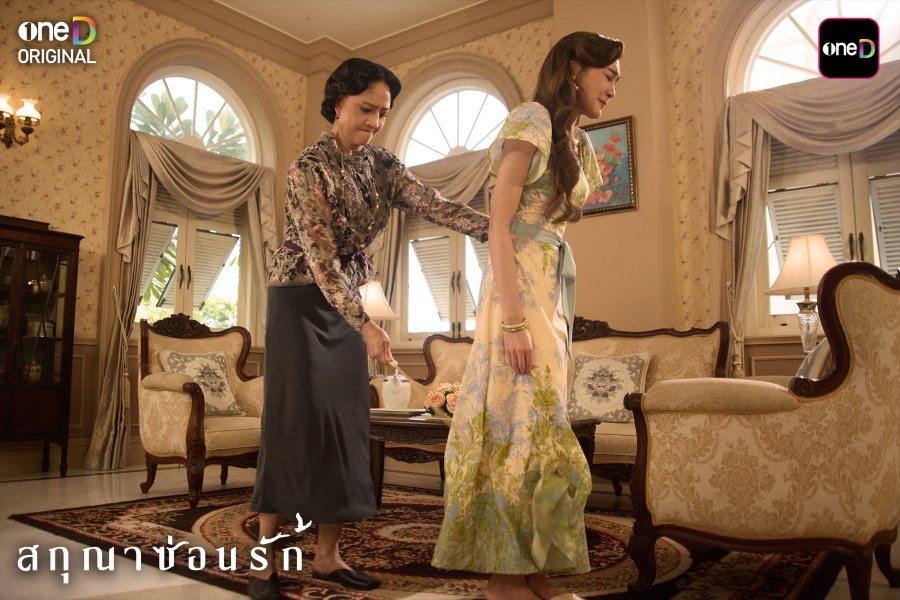
The Power of the Mother-in-Law
The drama’s difficult mother-in-law is not just a melodrama trope. In extended households, older family members often wielded significant authority. A new bride was expected to adapt to her husband’s family. Shen’s position within the household reflects these traditional family hierarchies. Her mother-in-law has the right to discipline Shen, flogging her, as shown above.
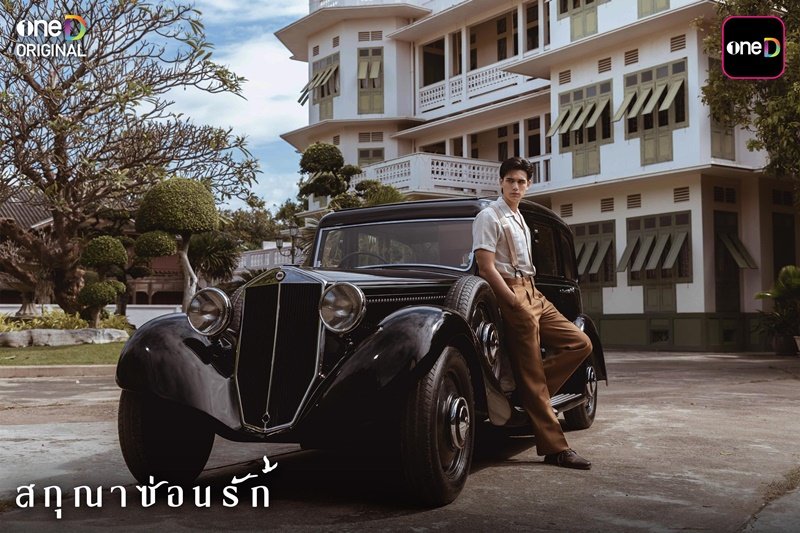
Status, Class, and Servants
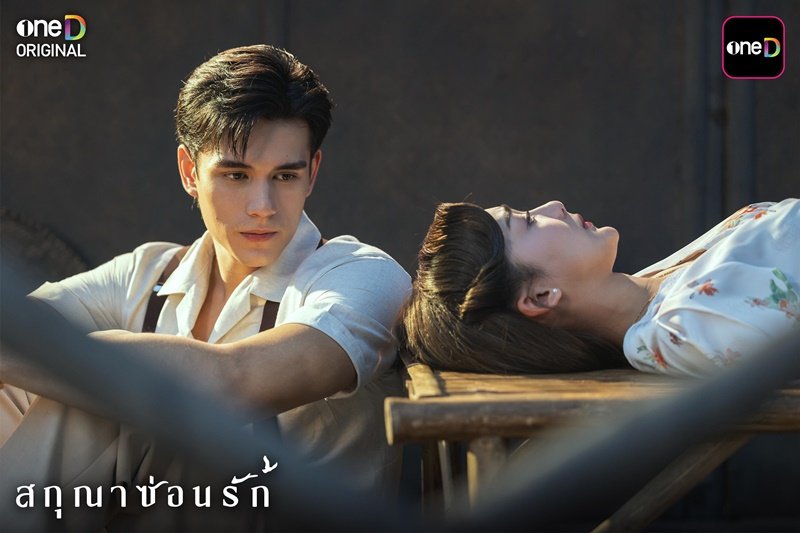
The romance between Shen and Tone carries additional weight because of class differences. Wealthy families maintained strict social boundaries. Servants and employees occupied a much lower social position. Thus, relationships across class lines could provoke scandal. Tone is not merely another man—he represents a relationship that challenges the social order itself.
This social expectation is a MAJOR SPOILER [click the arrow at your own risk!]
The Importance of Producing an Heir
Phoem’s infertility would have been particularly devastating in that era. Continuing the family line was considered a major responsibility. Sons, especially eldest sons, were often expected to produce heirs. Infertility could carry shame and social stigma. Phoem’s desperation to conceal his infertility reflects the intense pressure placed on men of his social class.
Lastly, perhaps the most important cultural theme is the tension between personal desire and social obligation:
Love vs. Duty
In many period dramas set in early 20th-century Siam, duty to family often outweighs individual happiness. Personal sacrifice is considered honorable, and reputation can be more valuable than emotional fulfillment.
The cultural framework above explains why Phoem, Shen, and Tone all make choices that may seem frustrating to modern audiences.
The Infidelity Debate
Shen is married to Phoem, but their marriage is emotionally unfulfilling and strained. As she becomes increasingly isolated and neglected, she develops a deep emotional connection with Tone, the family’s driver. Since Shen is still married when those feelings emerge, their relationship falls into the category of an extramarital affair.
That said, the drama frames the situation through a sympathetic lens. Rather than portraying Shen as simply unfaithful, it emphasizes:
- An emotionally neglectful marriage
- Loneliness and isolation
- An imbalance of power within the household
- The social constraints faced by women in that era
Different viewers may react differently. Some will see Shen’s actions as cheating regardless of the circumstances, while others may view the relationship as a consequence of a marriage that has already broken down emotionally. Many viewers will see the relationship as a forbidden love story, while others will focus on the ethical implications of the affair. The drama intentionally invites both perspectives.
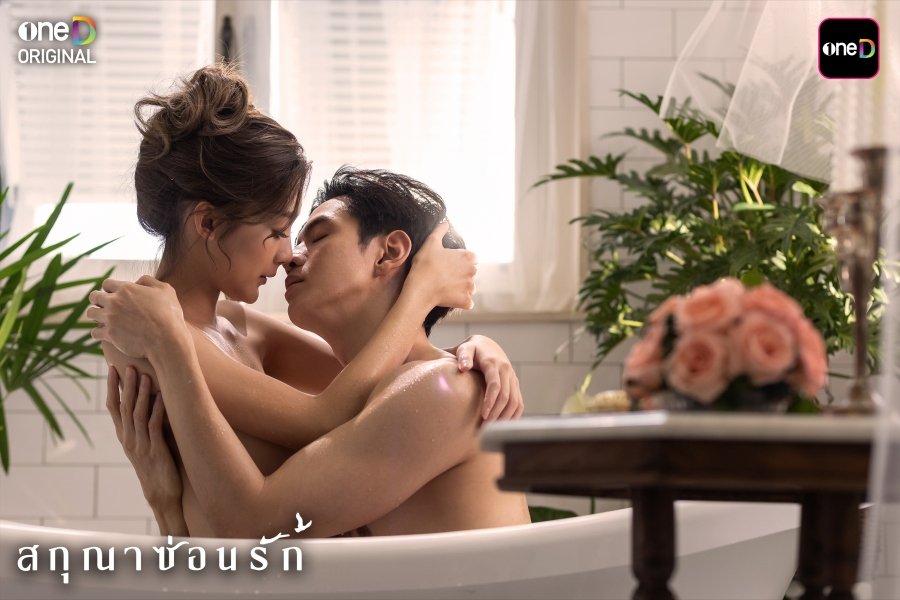
The common reaction to Whisper of Desire is indecisiveness. The drama is designed so that neither side feels completely easy to judge:
On one hand, Phoem is Shen’s husband, and the marriage carries obligations and expectations. Depending on how the story develops, viewers may sympathize with him and feel that Shen’s romance with Tone crosses a line.
On the other hand, Tone offers Shen the emotional support, kindness, and understanding that she isn’t receiving in her marriage. It’s easy to root for him because he becomes the person who truly sees her struggles.
Some questions popped out into my mind while watching the drama:
- Does a marriage remain meaningful if love and companionship are absent?
- Is (lack of) emotional fulfillment a valid reason to leave a marriage?
- Can a forbidden relationship still feel emotionally right to the audience?
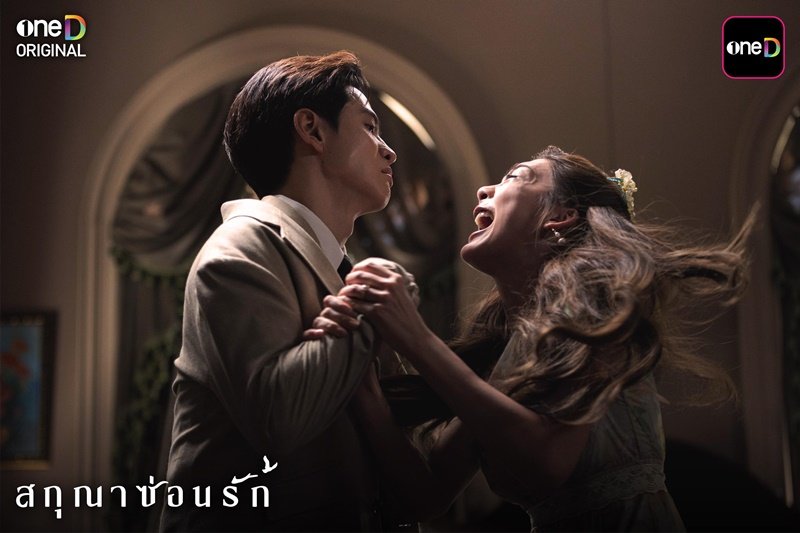
The drama writers probably intended to make the audience torn between the two male leads. You may end up liking both men for different reasons and cannot decide who’s the best for Shen:
- Phoem represents duty, status, and the marriage Shen chose (or was expected to choose).
- Tone represents emotional connection, comfort, and the life Shen secretly wants.
The mind debates on infidelity and other challenging aspects in Whisper of Desire is interesting. If we only judge, we may miss why characters make certain choices. If we only empathize, we may overlook the harm those choices cause.
My Rating
I used my rating system with additional scores of:
- 1.0 for the thought-provoking plot
- 1.0 for the complicated characters and acting (especially Film as Phoem)
- 1.0 for the historical setting and visualization
Total rating 9.0/10.
Conclusion
If you have watched the drama, what do you think? If you haven’t, well, since you have come to this conclusion, you probably are intrigued by this drama. Don’t let the infidelity theme put you off. More than a forbidden romance, this drama is a character-driven tragedy that asks difficult questions about marriage, loyalty, and emotional neglect. Its greatest strength lies not in the extramarital affair itself, but in the human flaws that make it possible. If you like emotionally complex romances, period dramas, and morally gray characters, Whisper of Desire is a captivating watch.

Spoilers
What did actually happen? Why did Phoem distance himself from Shen? [major spoiler]
During his business trip, Phoem was attacked and his male organ was injured. He became infertile. However, he is under pressure to maintain his family’s status and lineage. Instead of being honest with his wife, he hired his childhood friend Tone to seduce his wife and make her pregnant while keeping the truth hidden from her.
What is the ending? [short answer]
Bittersweet ending. Happy ending for Tone and Shen, tragic ending for Phoem.
How does it end? [long answer]
Phoem realized that Tone and Shen have fallen for each other. Overwhelmed by guilt, shame, and hopelessness, Phoem killed himself. Shen and Tone leave the tragedy and have the opportunity to build a future together. Most importantly, Shen is carrying Tone’s child.